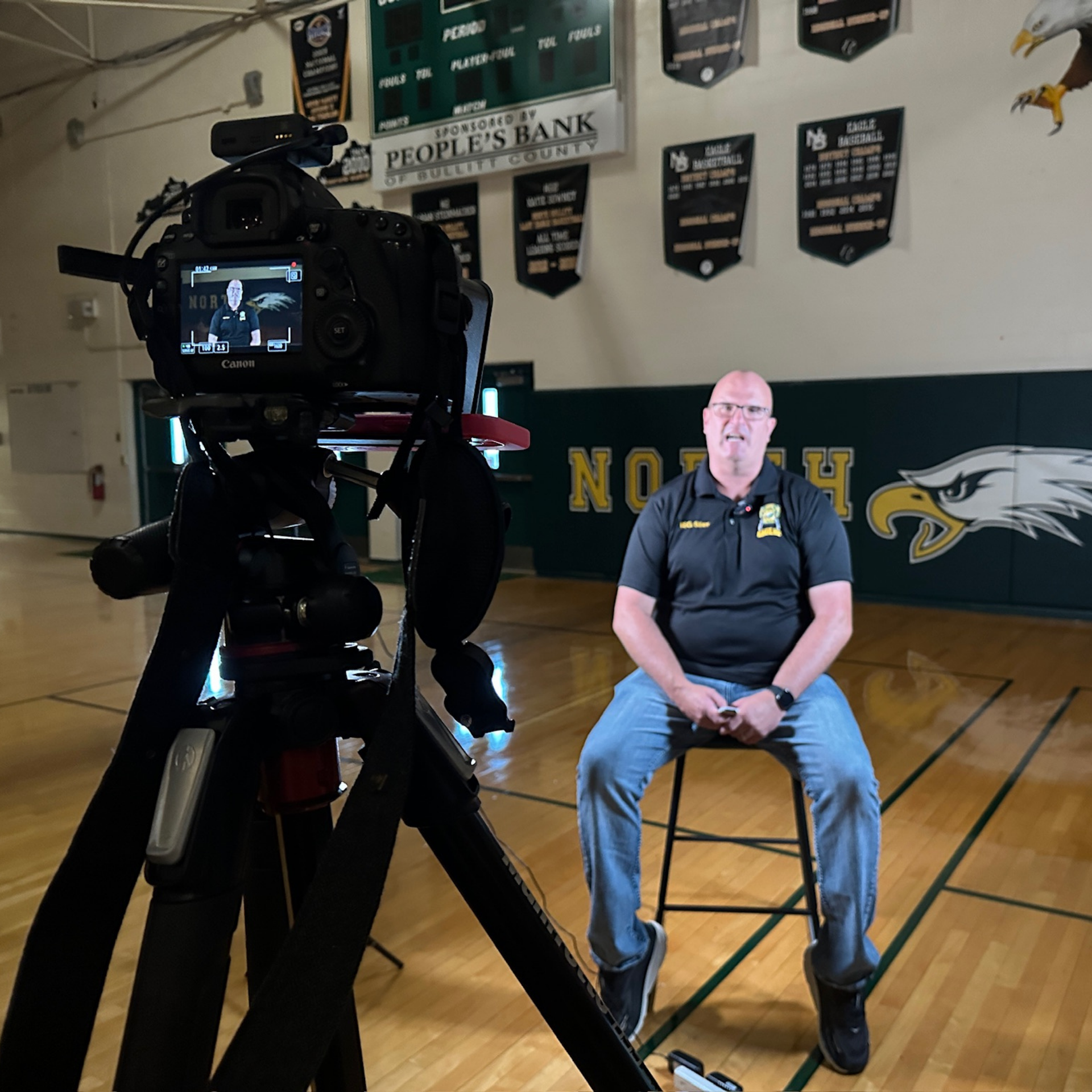
On the last Friday morning of Kentucky's 2026 legislative session, Jim Flynn opened the call the way he'd been opening calls all spring: with a basketball analogy.
We're down to the wire. We've got to take it to the hole as a team. Be in position whether you're taking the shot or getting the tip-in.
I'll be honest with you. I have watched approximately zero minutes of basketball in my life and understood none of those words. But I understood exactly what Jim meant because I'd been watching it play out in real time all session long.
This is what advocacy looks like when it's actually working.
Throughout this session I spent most Friday mornings on that Zoom call with hundreds of Kentucky superintendents, tracking a budget that didn't move fast enough and a handful of bills with real implications for what districts can do and how they can fund it. What I watched wasn't just a policy update. It was a masterclass in what community trust looks like when it's already been built and a clear picture of what happens when it hasn't been.
Here's a moment that stuck with me.
Late one Thursday night, a superintendent texted Jim with a heads up: an amendment had been quietly added to a routine bill that would have added normal pension costs to retired law enforcement hired as school resource officers. Most districts rely on retired officers for SROs. The cost implications were real and immediate.
By the next morning, Jim had worked the phones. By the time the Friday call opened, that amendment was off the table. It wouldn't be called.
The same week, an amendment was filed that would have changed moral instruction language in Kentucky schools from a "may" to a "shall." Superintendents got word, reached out to their senators directly, and Jim reported receiving text after text from leaders saying: my senator told me it's withdrawn. And it was.
Two real wins, in the same week, in the final stretch of a 60-day session.
But here's the thing that doesn't get said clearly enough: those wins required superintendents who were informed enough to respond quickly, connected enough to their senators to make a call, and trusted enough in their communities that when they said "this matters," people believed them.
That's not the result of a last-minute push. That's the result of months (and in some cases years) of consistent communication.
One of the things Jim said to the group that I keep turning over is this: at the end of session, legislators go underground. They stop responding. But they're still reading the text messages. Still seeing the green slips from constituent calls. Still aware of what's coming from their districts.
What moves them at that point isn't a sudden surge of noise from communities that have heard nothing all spring. It's the weight of a community that's been paying attention AND a superintendent who gave them a reason to.
You can only ask your community to advocate for something they already understand. And understanding doesn't show up on demand.
I watched this play out differently depending on the district.
Some leaders came into this session with something to build on — families who already understood the connection between funding decisions in Frankfort and what happens in their schools, boards who trusted the superintendent to translate policy into plain language, communities who showed up because they'd been invited in long before the pressure arrived.
Other leaders were starting from scratch. Not because they didn't care about their communities. But because consistent communication hadn't been the priority until things got hard. And by then, the credibility to explain why it mattered was still being built.
The session this spring also surfaced something I think school communicators need to sit with: the issues are almost never simple, and the people who need to understand them aren't always going to seek them out.
Funding formulas. Transportation shortfalls. Assessment triggers. Homeschool accountability loopholes that affect chronic absenteeism data and make some accountability measures almost meaningless in rural communities. These aren't quick bullet points. They're layered, interconnected issues that require context to understand — and context takes time to build.
When a superintendent has been showing up for their community consistently — through newsletters, board updates, website content, parent meetings — they've been building that context all year. Every piece of information they've shared is a deposit. When they need the community to act, they're making a withdrawal from an account that has something in it.
When they haven't been showing up consistently, they have to explain the whole system before they can explain the problem. And that almost never works in the final five days of a session.
Here's what I'd want every Kentucky school leader to take into the next year with them.
Communication infrastructure isn't about having a nice website or an active Facebook page. It's about building the conditions under which your community can respond — with understanding, with trust, with enough context to know what's at stake and why.
That means story capture systems that show what's actually happening in classrooms, not just events and celebrations. Consistent channels that families pay attention to because those channels have earned their attention over time. Language that treats community members as adults who deserve to understand how funding decisions connect to what happens in their schools.
The basketball analogy is right. In the final seconds, you want the ball in the hands of someone who's been doing the work all season. Not someone who started practicing the week of the game.
The next session starts building now. And the districts that show up ready to advocate — with community trust already behind them — will be the ones who can still take it to the hole when it counts.
Build it before you need it. It's always worth it.
The Alchemy Collaborative works with Kentucky school districts to build communication infrastructure, story-capture systems, and strategic messaging frameworks that foster real community trust. If your district wants to go into the next session with something to build on, reach out. We'd love to talk.