
from fragmented identity to strategic clarity
By Brooke Goff • May 26, 2026

what does it feel like to be recognized for your work?

There's something deeply satisfying about external validation: being asked to present, being featured as an exemplar, seeing your district's name on a list of leaders in the field. It signals that what you're building matters. That people are paying attention.
But here's what we've learned working with districts across Kentucky: recognition can arrive before the work is ready. And when it does, something shifts. The goal shifts from "serve our community" to "get showcased again."
That shift is more dangerous than it sounds.
the two letterheads
In his first month as superintendent, Casey Jaynes asked his secretary, Tracy, for a piece of letterhead so he could write a recommendation letter.
She brought him two. Each one had a different mission statement.
Nobody in the building could tell him which one was right.
That moment crystallized a bigger problem: Carroll County Schools didn't know who it was. And if the district didn't know its own identity, how could it build a system to communicate that identity to families, to teachers, to the community?
Casey knew they couldn't skip this step. They couldn't jump straight to dashboards, data displays, or public-facing accountability systems. They had to start with the foundations.
So that's what they did.

the three-year build
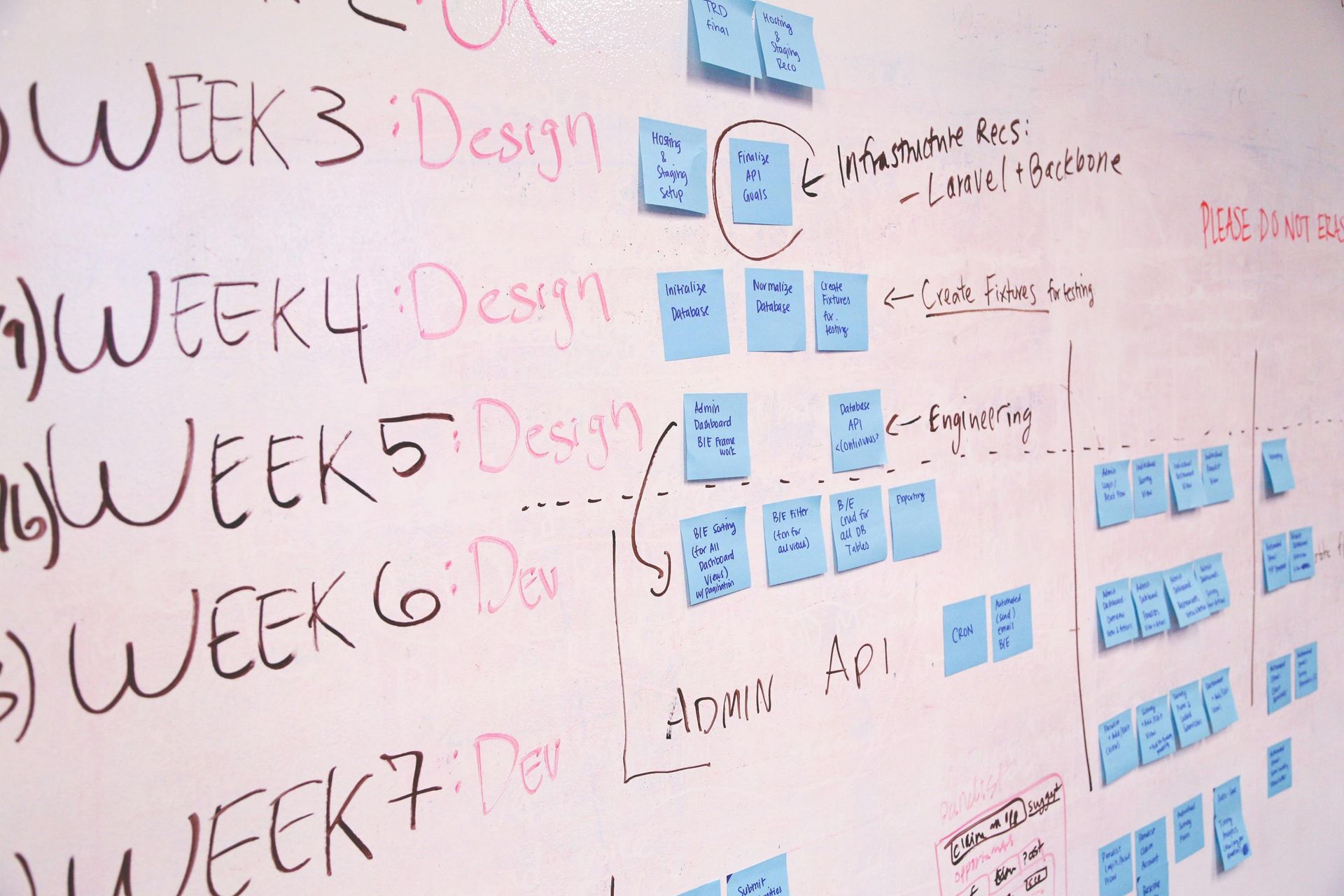
Over the next three years, we partnered with Carroll County to build methodically, one foundation at a time. (You can check out the full case study here.)
First, identity.
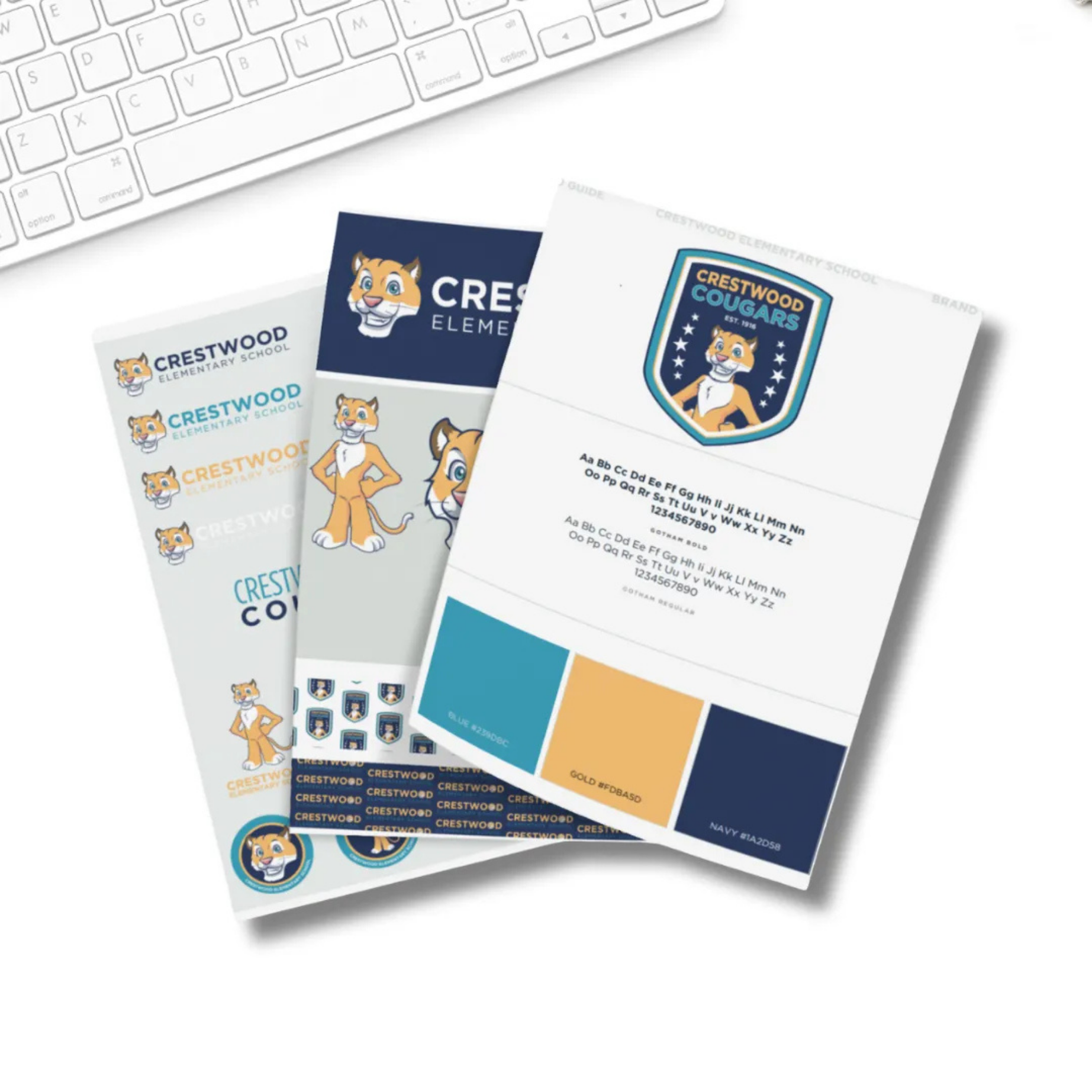
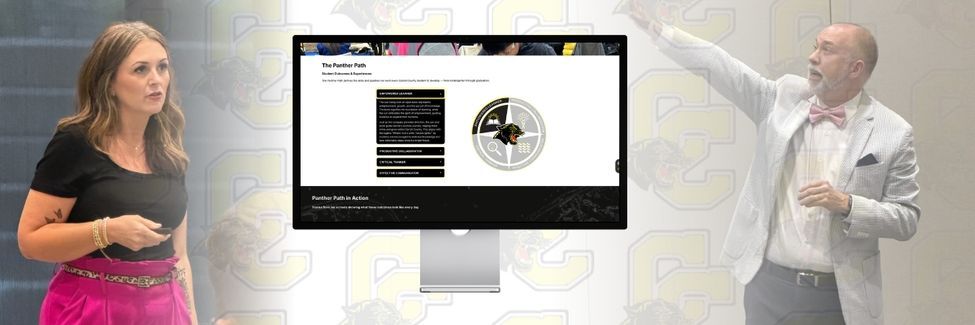
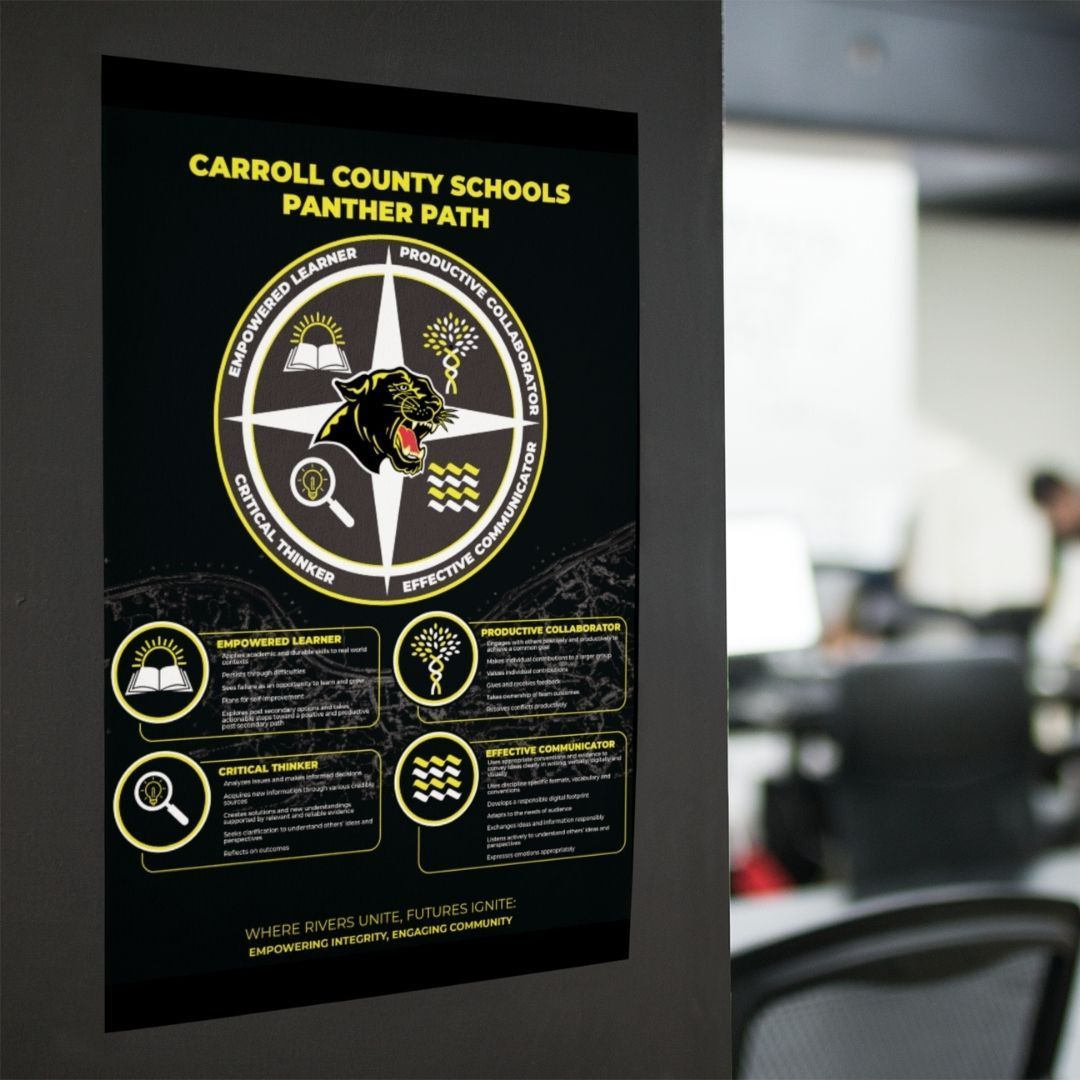
They engaged over 120 community stakeholders in workshops to co-create a new mission, vision, and tagline grounded in local geography: “Where Rivers Unite, Futures Ignite”. They built the Panther Path: a Portrait of a Learner with four competencies that actually reflected what their community valued. And they created K-12 rubrics so teachers and families could see what success looked like at every grade level.
Second, strategy.
They built a strategic plan organized around four stakeholder groups: Panther Scholars, Panther Partners, Panther Leaders, Panther Guardians. Each of those groups runs monthly Plan-Do-Study-Act (PDSA) cycles. This wasn't a compliance document filed away in a drawer. It was a living system connecting real people to real work.
Third, story infrastructure.
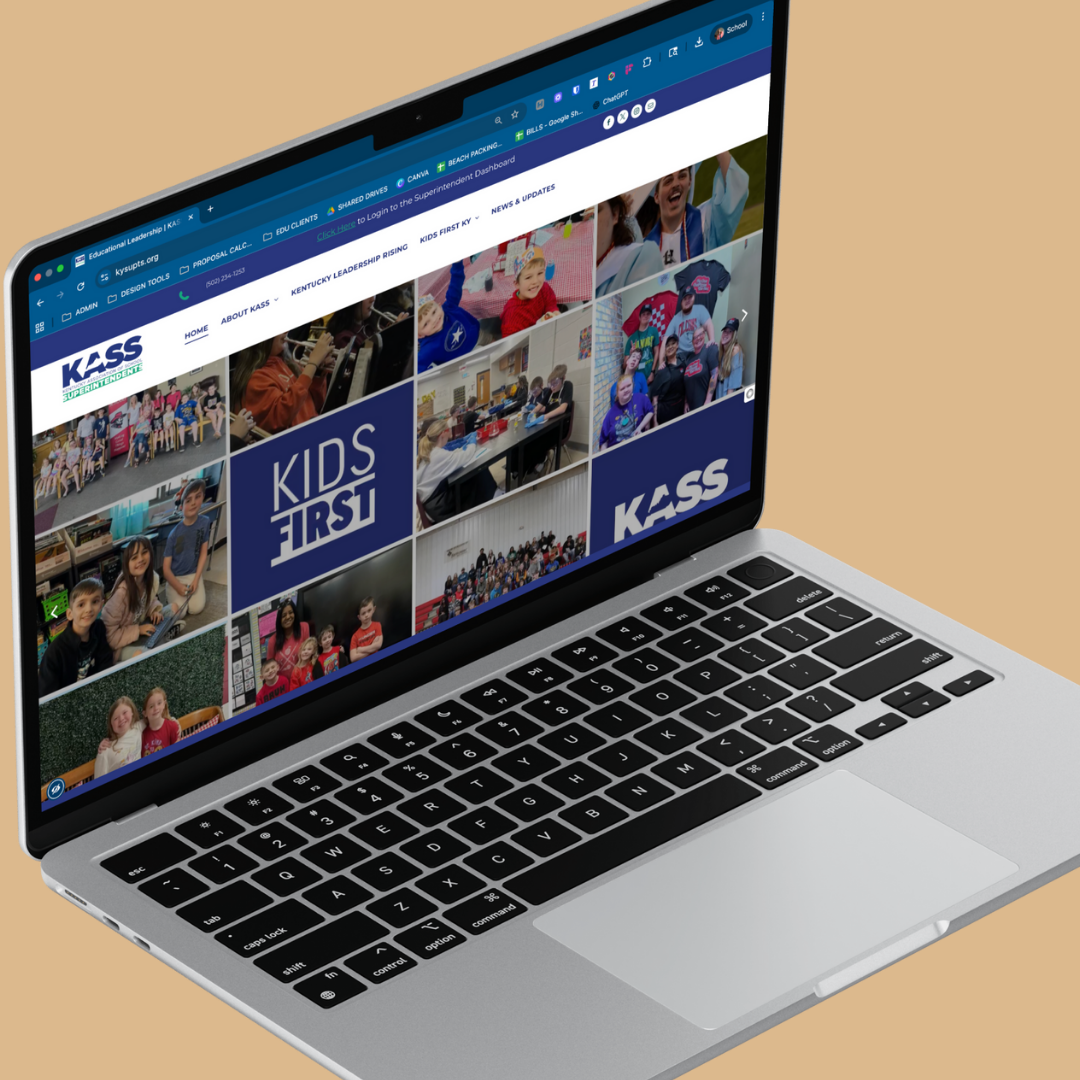
They redesigned their website to create narrative architecture before adding data. They built separate pages for Panther Foundations (strategic plan metrics) and Panther Path (academic outcomes). Jennifer Willhoite, their Communications Director, started tagging news stories by competency so content could be filtered and displayed. They prioritized making learning visible through authentic classroom stories before layering in performance data.
Fourth, dashboard prep.
They made a strategic decision to host their accountability work within the Apptegy platform families they already used, rather than on a separate website that would fragment the experience. They co-designed the dashboard so story and data would sit side by side, creating a narrative families could understand, not just a report card they'd ignore.
It took three years. And the whole time, we were coaching Casey and his team to resist a pressure we kept seeing across other districts.
what we were coaching them to avoid
As we worked with Carroll County, we noticed a pattern emerging across Kentucky. We saw districts featured, showcased, held up as exemplars and, sometimes, before their foundations were stable.
We saw static websites filled with education jargon. We saw that some superintendents were disconnected from the communication work. We saw dashboards that looked polished to external audiences but didn't actually serve the families they were built for.
And we realized: external validation can arrive before the work is ready. And when it does, it becomes dangerous.
So we coached Casey to prioritize quality over recognition. To build for his community first. To resist the temptation to go public before the infrastructure could hold.
Because here's what we've learned: being recognized too early can actually stop your progress. When celebration arrives before the work is ready, validation replaces the work itself.
We coached Carroll County to avoid three specific risks we kept seeing.

risk 1: recognition creates premature finish lines
What we noticed: Districts receive showcase invitations, are featured at convenings, and have their work highlighted in statewide reports, yet improvement stalls.
Not because they're lazy or unmotivated, but because the implicit message from external validation is clear: you've arrived. The work is done. You're already leading. So why keep building?
The pressure drops. The urgency fades. And the hard work of iteration, refinement, and sustainability is postponed... sometimes indefinitely.
What we coached Carroll County to do: Even after three years of foundational work, Casey doesn't talk like someone who's finished. He talks about sustainability as the next challenge: dedicated staffing to keep content fresh, systems to maintain data accuracy, rhythms to ensure storytelling doesn't fade when priorities shift.
We helped them see that "finished" isn't the goal. Sustainable is. And sustainable means the work holds up when Casey moves to his next district, when Jennifer moves to a new role, when turnover on the team inevitably happens.
Carroll County didn't build a showcase piece. They built infrastructure that will outlast the people who built it.
risk 2: external affirmation masks internal gaps
What we noticed: It's possible to look polished to external audiences while internal stakeholders still experience chaos.
We saw districts with public-facing dashboards where communications directors felt sidelined, brought in at the end to "make it look good" but never consulted on narrative structure, audience needs, or distribution strategy. We saw families who couldn't understand what was being measured or why it mattered. We saw teachers who looked at the dashboard and couldn't connect it to the work happening in their classrooms.
External audiences don't see those gaps. They see a finished product. A website. A data display. A presentation slide.
But the people inside the district know the truth. And when external validation arrives despite those gaps, it removes the incentive to fix them.
What we coached Carroll County to do: Build from the inside out. Jennifer Willhoite wasn't an afterthought. She was at the table from day one, shaping how the district's story would be told. The Four Habits of Inclusive Design (a framework we use with all our partners) require reciprocity and co-creation. Jennifer wasn't just executing someone else's vision. She was creating the vision alongside Casey and the rest of the leadership team.
The strategic plan wasn't a compliance document. It was a living system with real committees (teachers, principals, parents, community members) running real PDSA cycles and tracking metrics that connected to their actual work.
When Carroll County's dashboard eventually goes live, families will understand it because the people who know families best helped design it. Teachers will see themselves in it because they helped build the Portrait of a Learner that structures it.
Internal coherence before external polish. That was the sequence we coached them to protect.
risk 3: validation becomes the goal instead of the proof
What we noticed: When recognition becomes the prize, districts start optimizing for external audiences instead of their own communities.
The question shifts from "Does this serve our families?" to "Will this get us featured?"
Decisions get made based on what looks impressive to people outside the district rather than what's actually useful to people inside it. Platforms get chosen because they're trendy or easy, not because they're where families already spend time. Data gets displayed because it's available, not because it answers the questions families are actually asking.
And here's the hardest part: once a district has been showcased, there's pressure to keep the story consistent. To avoid admitting gaps or pivoting direction because that might make the original showcase moment look premature.
Validation locks you in.
What we coached Carroll County to do: Build for your community first. The dashboard wasn't designed to be showcased. It was designed because Carroll County families deserved a clear picture of what their students were learning and how they were growing.
That's why they chose to host the dashboard on Apptegy, the platform families already used via the district’s app and website, instead of building a separate website. Not because Apptegy looks flashier (it doesn't... there are plenty of flashy website platforms that can be polished). But because fragmentation confuses families. And because sustainability requires keeping the dashboard updated alongside regular district communication, not siloed off on a platform no one's responsible for maintaining.
Every design decision came back to the same question: What does our community need?
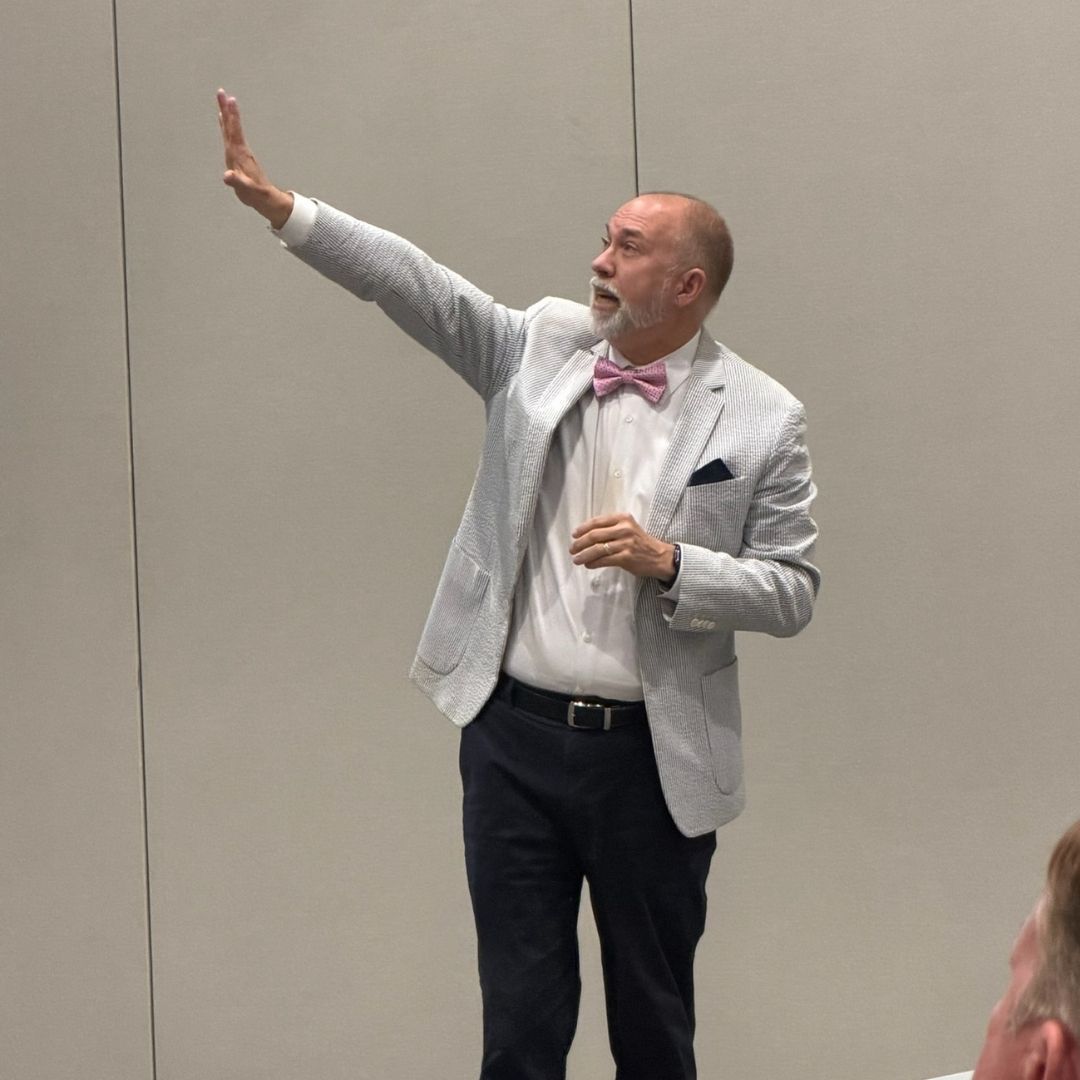
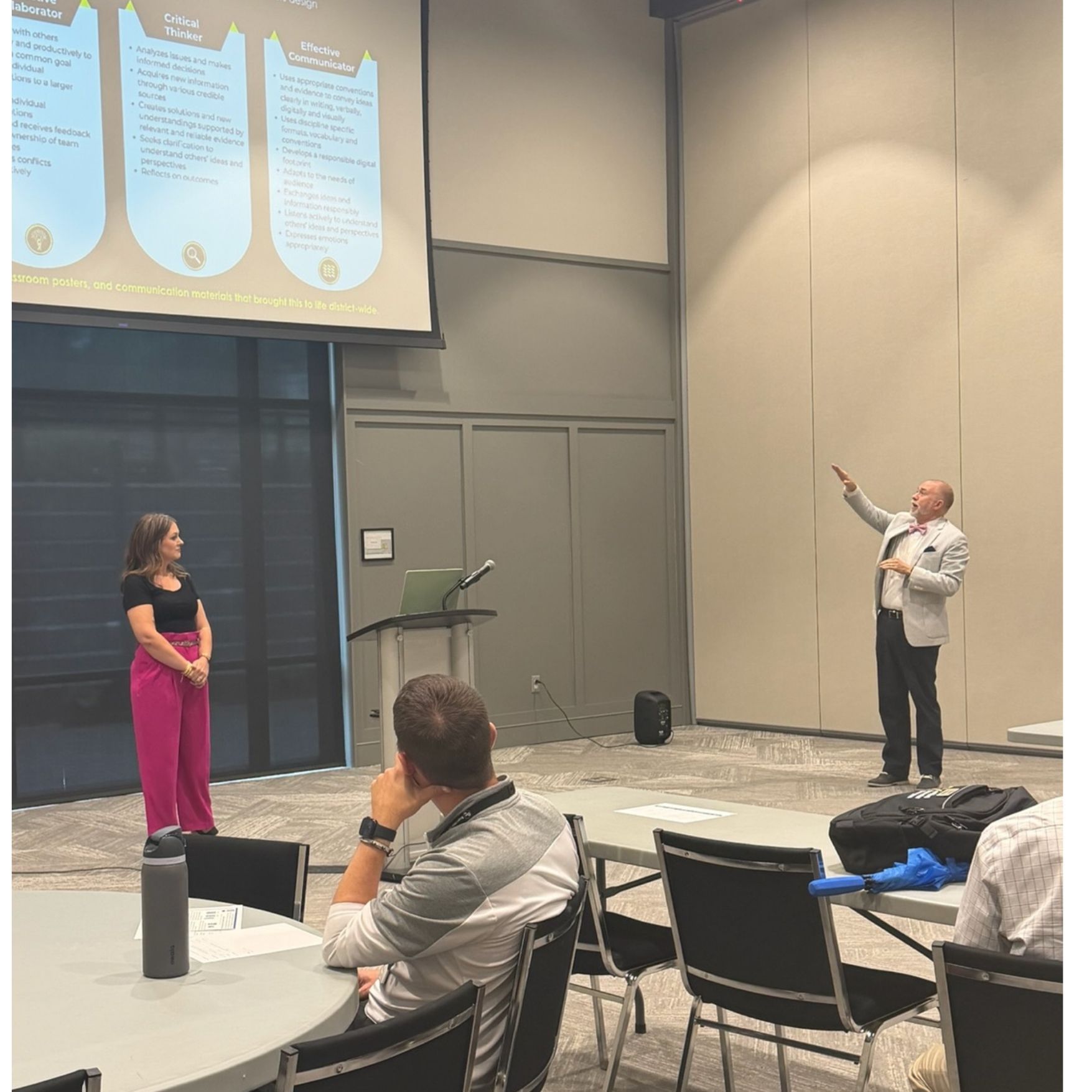
The recognition that followed, like presenting their work at the OVEC Board Meeting in April 2026, was proof of quality, not the goal that drove decisions.
When Casey stood up to share Carroll County's work, the interest in the room was genuine. Other superintendents asked questions. People leaned in. Not because the dashboard was the flashiest, but because its foundations were solid enough to withstand scrutiny.

innovation requires the right mindset
This work is hard. And it's new.
Local accountability is pioneering territory. There's no established playbook, no decades of best practices to draw from, no clear roadmap that works for every district. KDE is leading districts into uncharted space, and that takes courage.
But here's what we've learned working alongside districts in this space: when the work is this new, the mindset matters as much as the execution.
Districts building local accountability systems aren't just creating dashboards or measuring competencies. They're building something that has to evolve as their communities grow, as technology shifts, as student needs change, and as leadership turns over. This isn't a one-time project. It's infrastructure that has to hold up for years.
And that requires a different frame of mind than "build it and showcase it."
It requires thinking about sustainability from day one. It requires resisting the pressure to go public before the foundations are stable. It requires recognizing that early drafts (even public-facing ones) are just that: early drafts.
What makes pioneering work sustainable: Shared understanding that "finished" isn't the goal. Iteration is. And being iterative means districts need permission to keep refining, to admit what's not working yet, to learn from what other districts are trying, without the pressure to perform as if they've already figured it out.
Right now, districts are navigating this space without clear quality standards to anchor their decisions. Not because anyone dropped the ball, but because quality standards take time to develop when the work itself is still being defined.
But as this work matures, those standards will become essential. Not as gatekeeping, but as guideposts. Clear criteria around things like: Are families able to understand this? Is the communications team involved in the design? Is this built on a platform families already use? Can this be sustained when leadership turns over?
When those standards are in place, recognition becomes more meaningful. It signals that a district has met a threshold of quality, not just that they were willing to go first.
Carroll County is a strong example of what's possible when a district builds with that mindset. When Casey presented at OVEC, he didn't just show a finished product. He walked through the three-year journey: the messy starting point (two letterheads), the intentional sequencing (identity, then strategy, then story infrastructure, then data), and the sustainability challenge that's still ahead.
That kind of transparency helps. Because it shows other districts what the path actually looks like and not just what the end result is supposed to be.
And it models the mindset that makes pioneering work sustainable: being honest about the process, focused on the long game, and clear that "ready" doesn't mean "perfect". It means built to evolve.
casey jaynes and carroll county got this right
They resisted the pressure to go public early.
They built for three years before presenting anything. They prioritized their community's needs over external recognition. And when they finally stood up to share their work at OVEC, the interest in the room was genuine because the foundations were solid enough to withstand scrutiny.
That's what happens when you build quality first.
The recognition follows. The showcase invitations arrive. The external validation comes but as proof of the work, not as a substitute for it.
And here's what that means for the rest of us doing this work: we get to choose what we optimize for.
We can optimize for being featured. For being first. For being held up as the model.
Or we can optimize for sustainability. For coherence. For systems that serve our communities long after the spotlight moves on.
The second path is slower. It's less visible in the early stages. It doesn't come with the immediate affirmation of being showcased.
But it's also the path that builds something real.
Before you say yes to the next showcase invitation, before you agree to present your work publicly, before you launch a dashboard because the timeline says it's time... ask yourself one question:
Would this actually serve your own families? Your own teachers? Your own board?
Or does it just look impressive to people who don't know your district well enough to see the gaps?
If the answer is the second one, you're not ready yet.
And that's okay.
Build for your community first. The recognition will come.
read our most recent posts
the golden lens
sign up to our newsletter to stay updated!
Contact Us
thanks for signing up!
oops, there was a sign-up error.
please try again later.
SHARE THIS