


the multiplier effect: leadership that creates capacity, not control


By Brooke Goff January 20, 2026

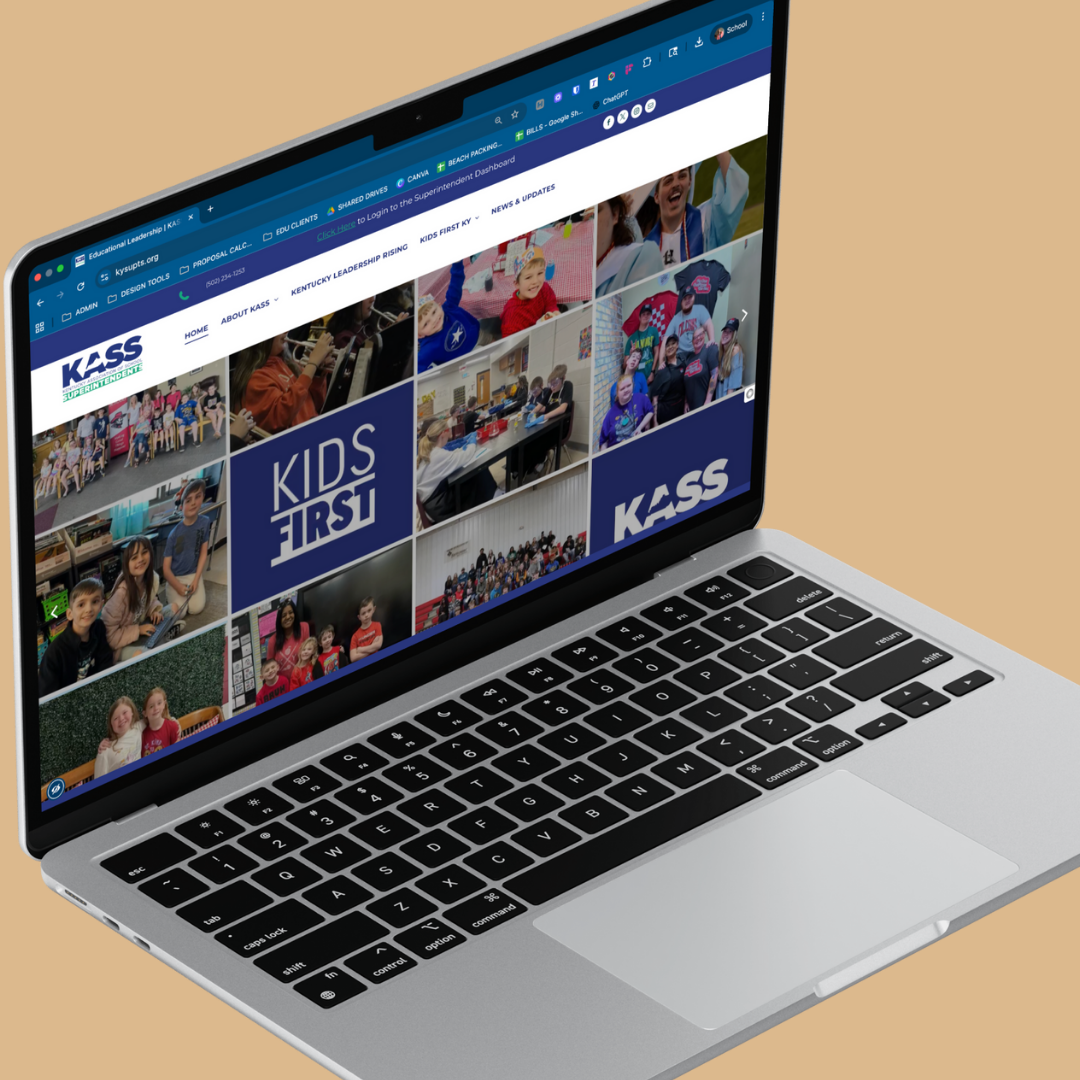
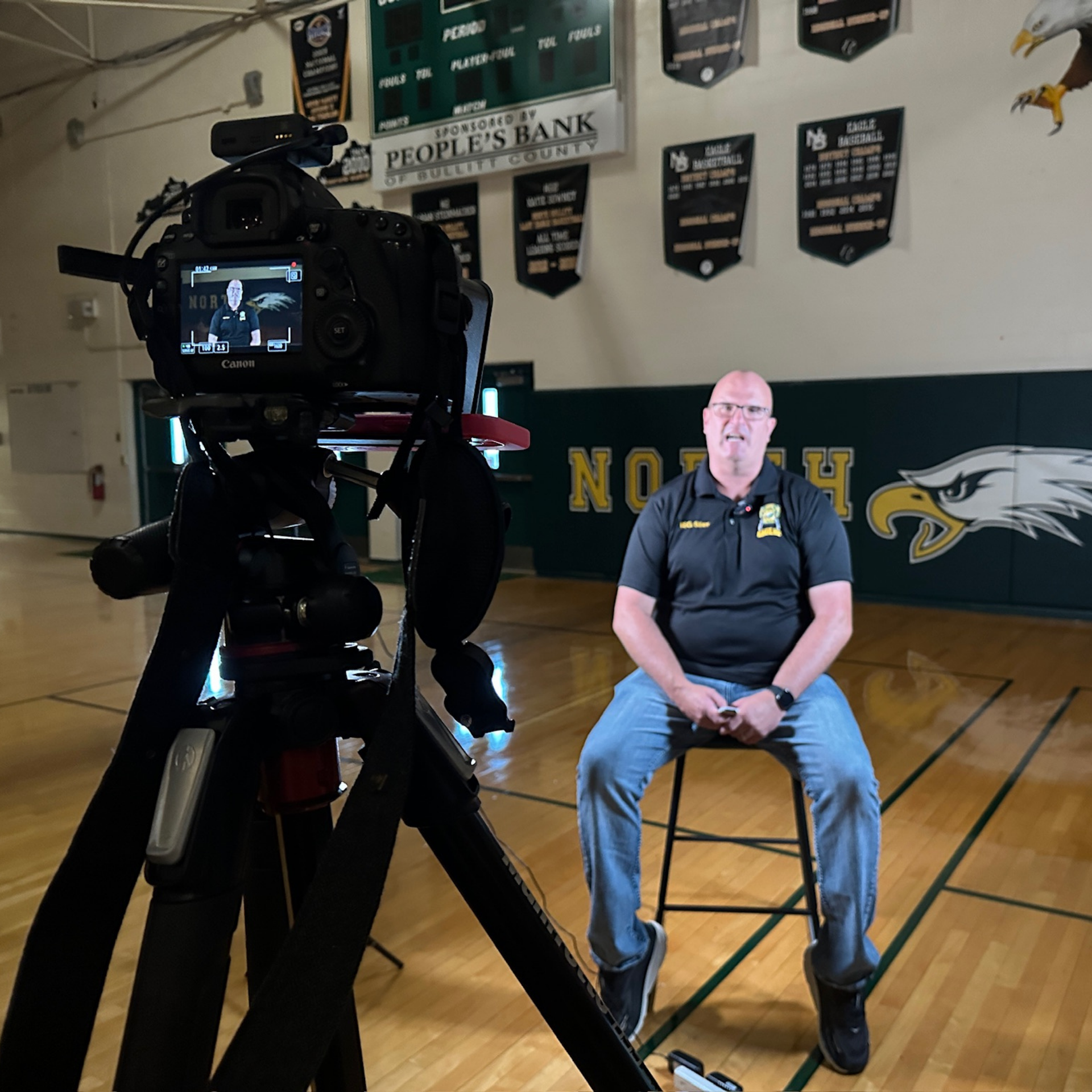
Through our work with KASS, I spend a lot of time talking with Owens Saylor about systems, roles, and the behind-the-scenes work that keeps leadership development functioning.


Most of our conversations live in the weeds: how decisions move, where things get stuck, and how to keep work from bottlenecking at the top.


In the middle of one of those conversations, Owens said, “I’m going to share a book with you.”

It was more than a book recommendation for me; it named something I was already experiencing in how he was actually leading our work within the communication strategy for KASS.


how this showed up in real work

That conversation wasn’t theoretical. We were working through real questions: who owns what, how clarity gets shared, and how to build systems that don’t depend on one person holding everything together.


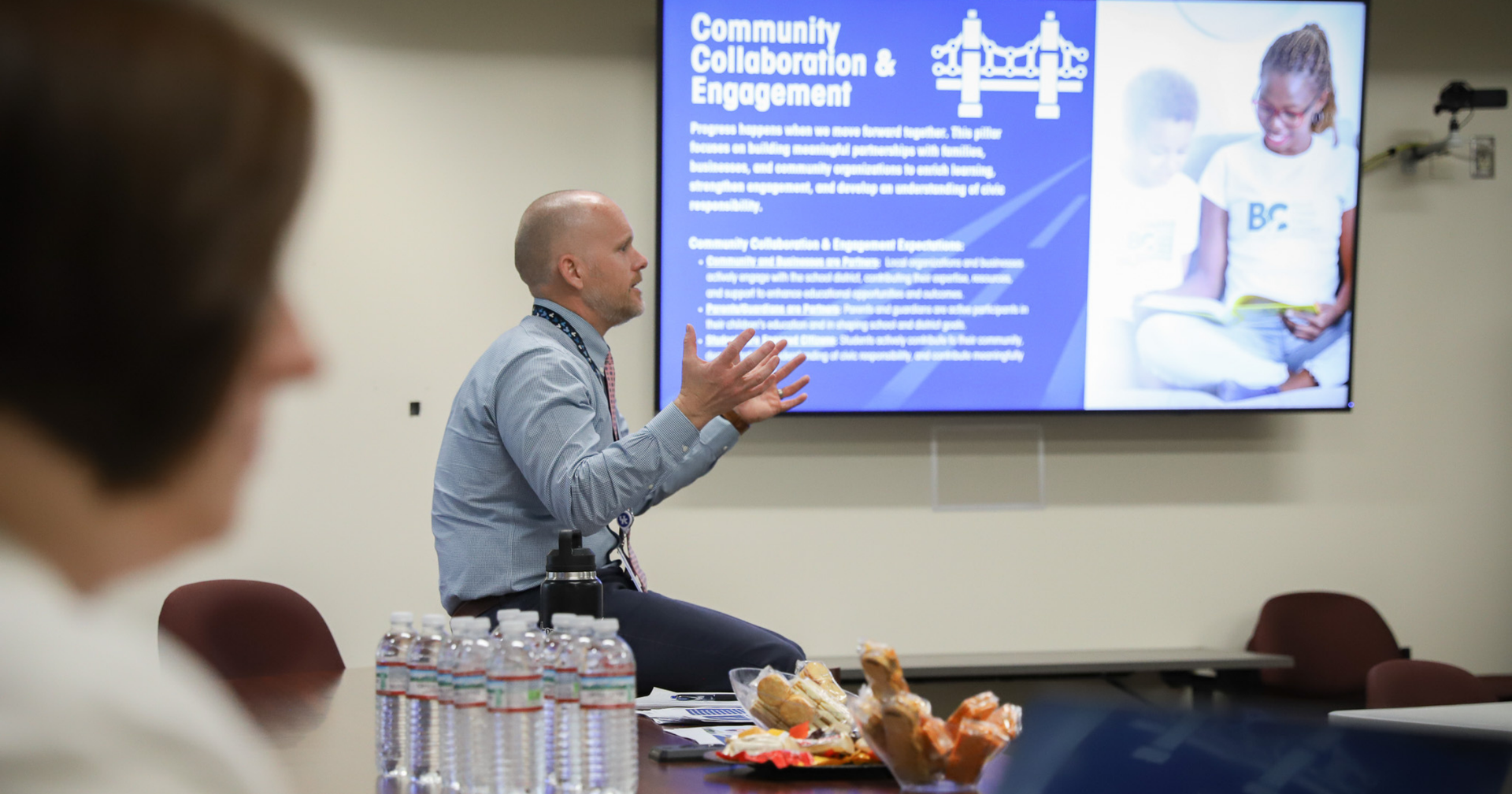
Owens didn’t rush to answers. He asked questions. He listened. He gave just enough structure to keep things moving and then trusted the people in the room (us!!!!) to do the work.


When he later pointed me to Multipliers by Liz Wiseman, it felt less like “read this” and more like, “this is how you can amplify your own team.”


what multiplier leadership actually looks like

Here’s what I’ve come to understand about multiplier leadership: it’s quiet.


It’s not about being the most intelligent person in the room.


It’s not about control disguised as clarity.


And it’s definitely not about doing everything yourself.


It looks like creating space for others to think.
It looks like trusting people with real responsibility and NOT just tasks.
It looks like helping others see their role clearly, then...*wait for it* getting out of the way.


Because Owens leads this way with us, we’re able to show up better for KASS. And because KASS operates with that same posture, districts experience partnership instead of pressure.


That’s the multiplier effect. It scales without force.


why this matters for communication in schools and districts

This landed deeply for me as a communications partner.


Communication systems can either multiply leadership or quietly shrink it.


When leaders over-control messaging, people hesitate. When clarity lives in one place, everything slows down. But when leaders share context, invite thinking, and trust others to communicate with care, capacity grows.


Not just the capacity to do the work, but the capacity to lead.


This isn’t about doing leadership “right.” It’s about paying attention.


Where am I creating capacity?
And where might I still be holding control?


I have learned the leaders who make the most significant difference aren’t the ones with the tightest grip. They’re the ones who leave more leadership behind them than they take with them.


want to reflect on this with your team?

At Alchemy, we spend a lot of time helping leaders slow down and notice how their systems shape behavior.


This is a good place to start: where are you multiplying people and where might your systems be getting in the way?


read our most recent posts

By Brooke Goff July 21, 2026
Most principals are watching local accountability happen from the hallway. You don't have to wait for an invitation. There is a teacher in a school you probably know. Maybe you have someone like her on your team right now. She runs the PLCs. She sits in on planning sessions across grade levels. She knows which classrooms are doing cross-curricular vibrant learning work this quarter, and she knows which teachers need extra support to pull it off. When something remarkable happens in a student's learning, she finds out. She takes the photos. She writes the caption. She is the reason the school's story gets told at all. And she is one person. When local accountability arrives at your building (and it is arriving) it is going to ask for documented vibrant learning evidence, a Portrait of a Learner that lives somewhere public, data that shows your community what your school actually stands for. And if your answer to any of those requests runs through one person's head, one person's phone camera, one person's memory of what happened in third period on a random Tuesday in October, you have a fragility problem. Not a people problem. A systems problem. And it is fixable, but only if you start now, before the district finishes building the dashboard you will eventually be feeding. Here is what I want principals to know before anything else: you are not behind. You are not failing. The local accountability conversation in Kentucky has been happening almost entirely at the district level, and the assumption buried inside a lot of that work is that principals are naturally in the loop. That superintendents are passing information down. That buildings are ready. Most of them are not. And that is not the principal's fault.  What is within a principal's control right now is whether the work already happening in their building gets captured in a way that will matter later. Not a new initiative. Not a new platform. Not a new committee. Three practices, intentionally done, that most strong principals are already doing accidentally.

By Brooke Goff July 7, 2026
We didn't raise our rates. A client assumed we had. Four systems that explain what changed -- and what AI made possible that wasn't possible before.

By Brooke Goff June 22, 2026
What happens when your culture lives only in people's heads? The three school communications systems every organization needs but rarely builds.

the golden lens

sign up to our newsletter to stay updated!

Contact Us

SHARE THIS

learn how we can help