

what my husband's school taught me about systems that last
By Brooke Goff • June 22, 2026

the three systems every organization needs but rarely builds

Every organization has a culture. Not every organization has a map.
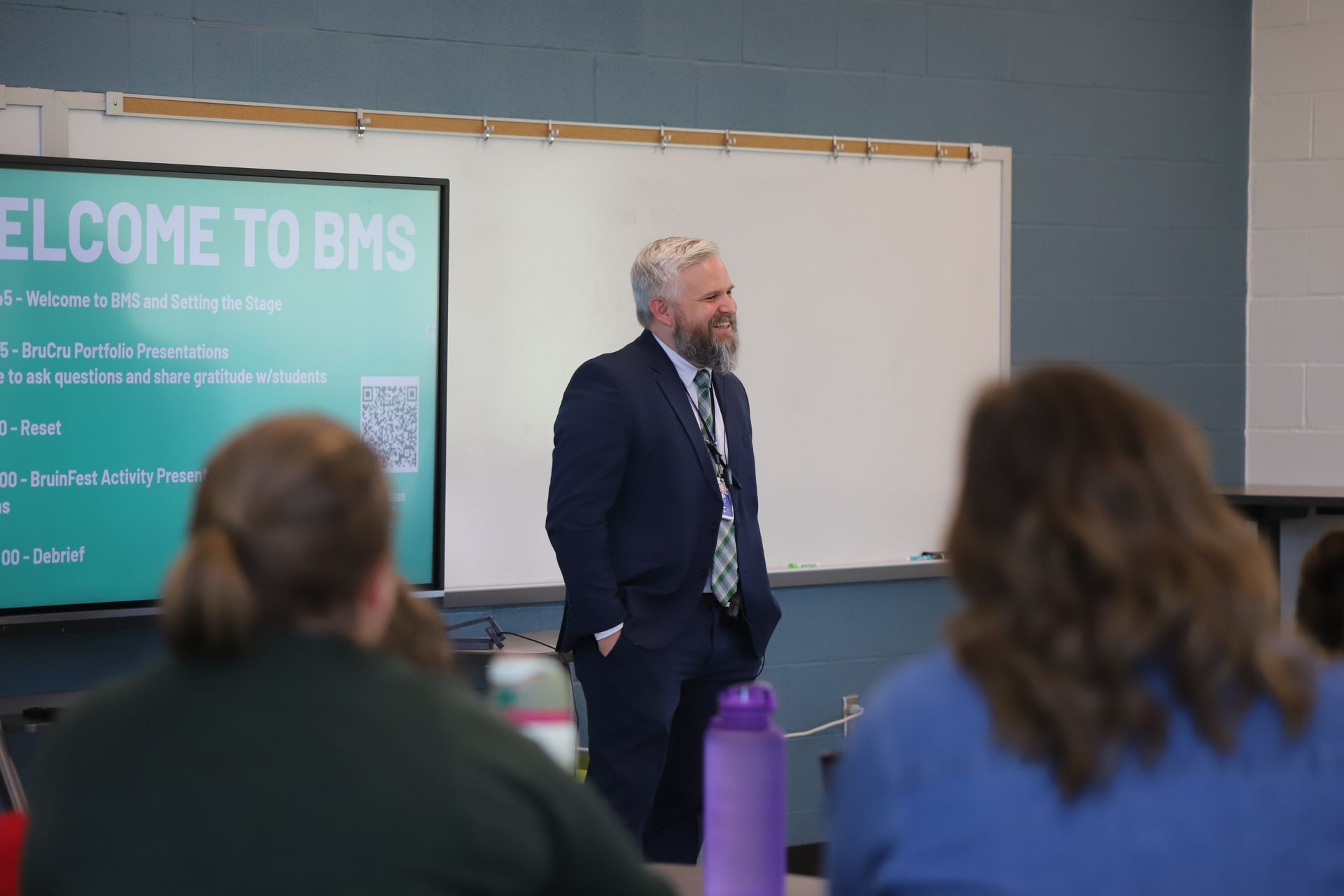
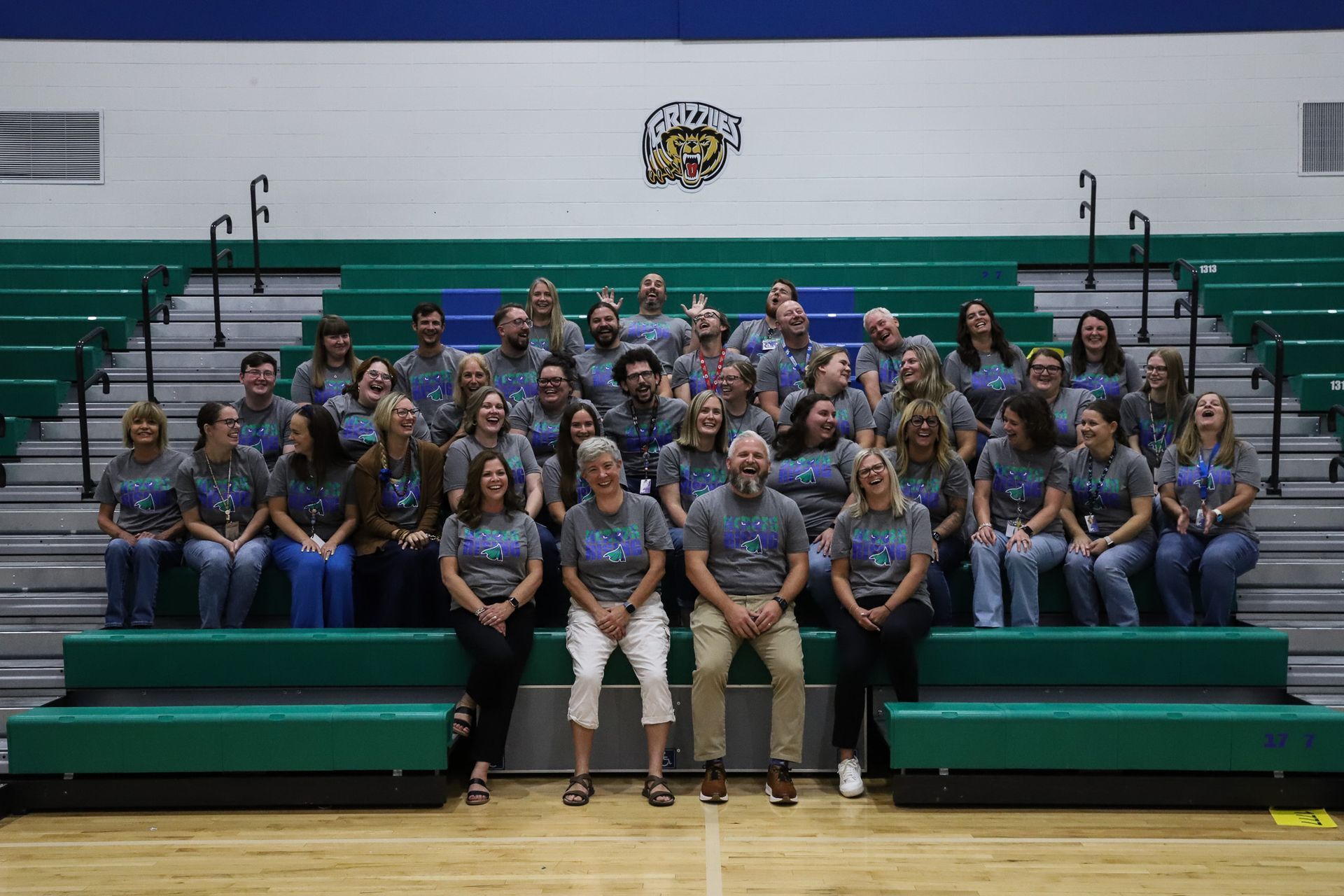
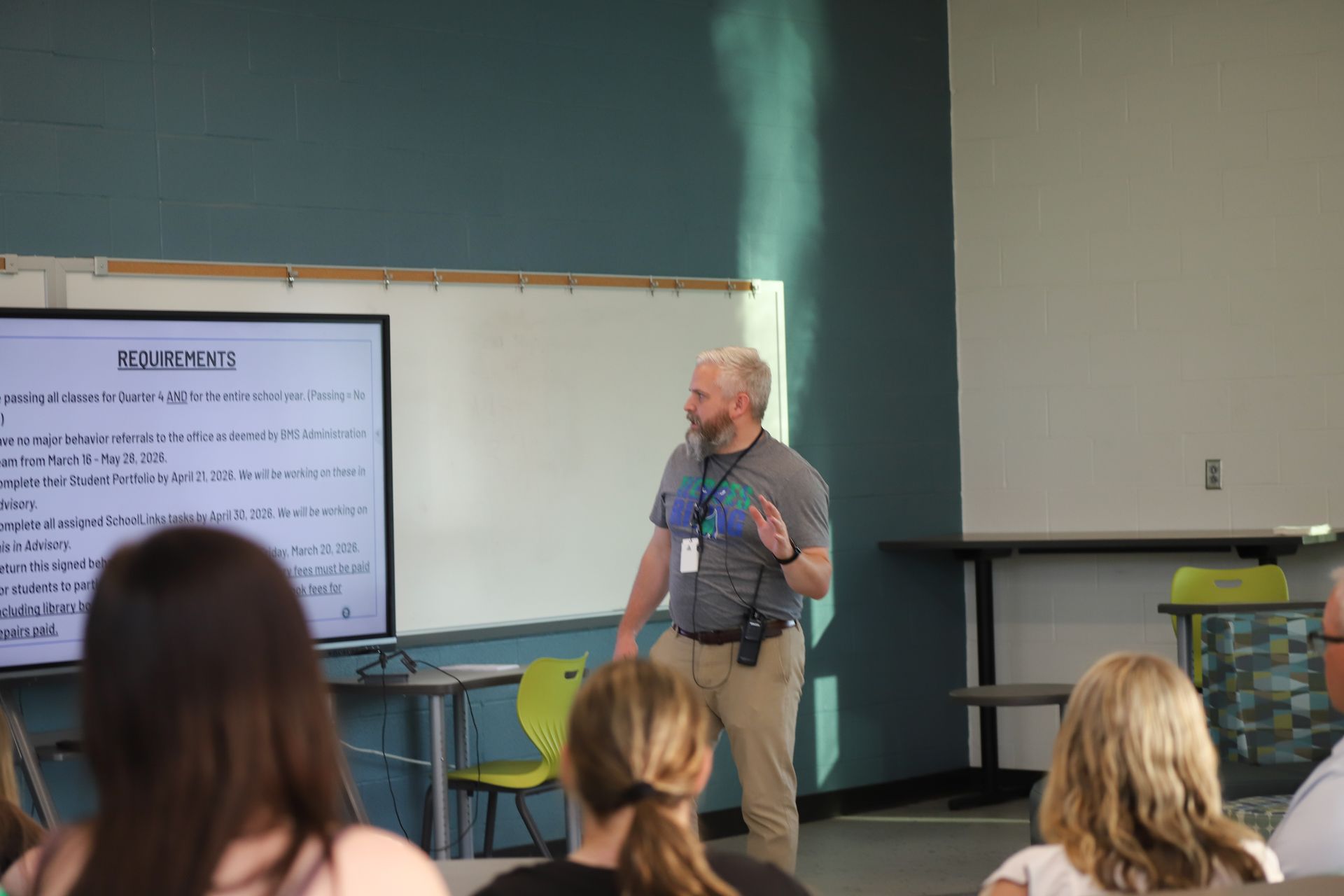
Chase Goff is in his second year as principal at Bernheim Middle School, and the school is doing something remarkable: it’s actually functioning in a healthy and impactful way. Students are building things, investigating real problems, and connecting learning to their community. The culture is intentional, warm, and earned.
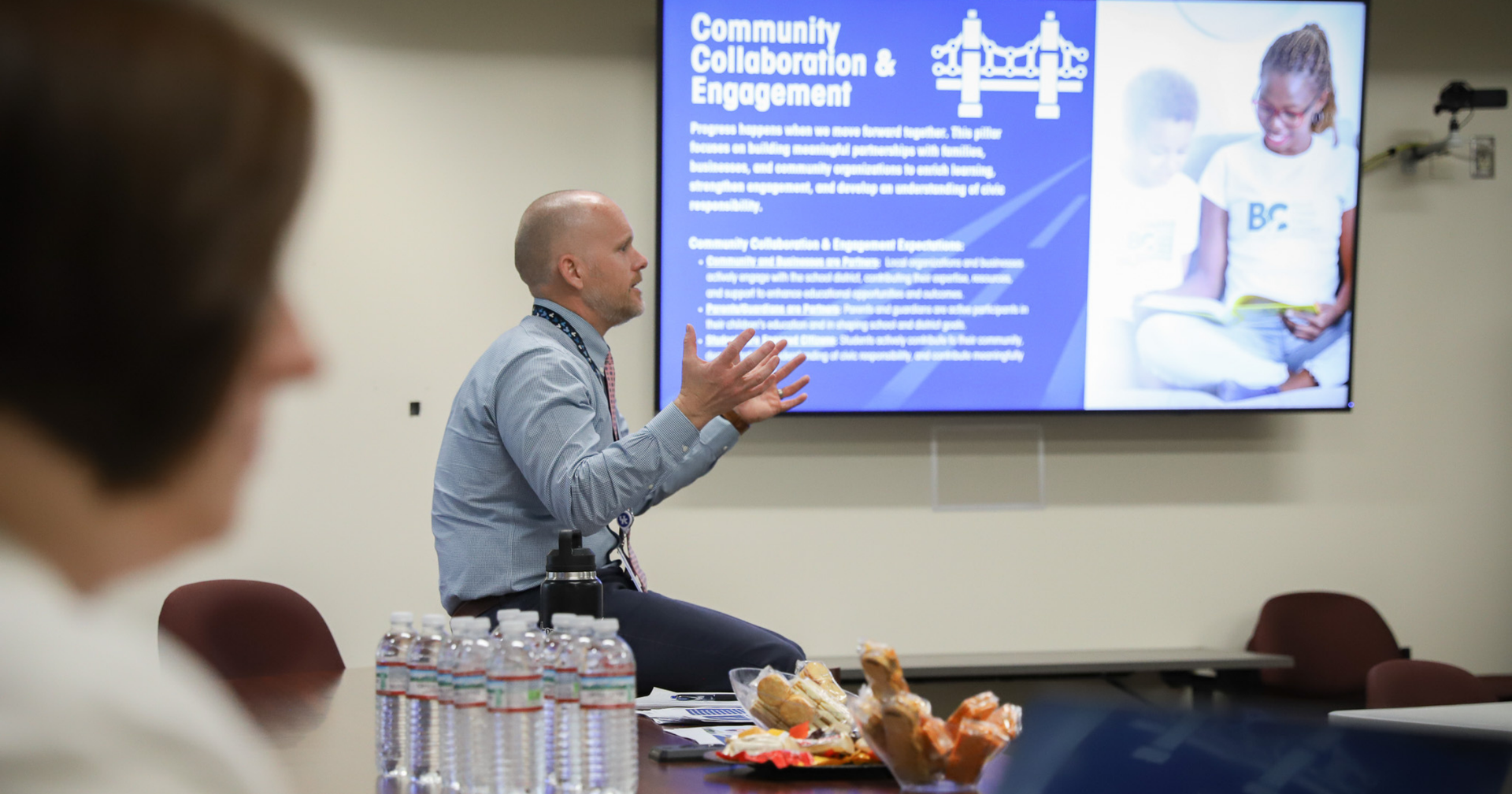
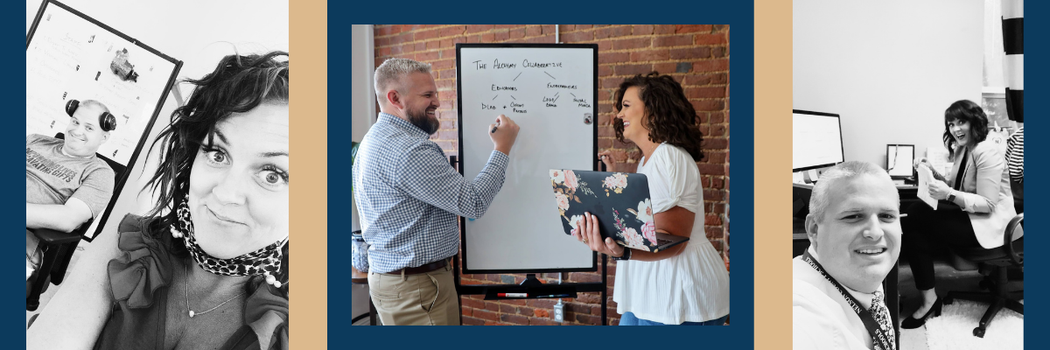
Chase is also my husband, which means when he needed to think through some strategic planning, he pulled in the people closest to the work (me; our director of strategic operations, Kali; and our financial advisor, Trevor) for an evening review session.
What unfolded over the next hour was a masterclass in institutional complexity. BruCru. The Legacy Learning Cycle. Design Studio. Staffulty (staff plus faculty, a term the school uses because the usual distinction doesn't feel meaningful there). The BMS Compass. Every piece was connected. Every system had a name and a purpose. Chase had built something genuinely coherent, and I sat across from it feeling something I recognized immediately.
Overwhelmed.
Not because it was poorly built. Because it was built so specifically for the people already inside it. The vocabulary, the rhythms, the logic: it all made sense if you'd grown into it. Chase was asking us whether the maps made sense as a leadership tool going forward. But what I kept thinking about was a different question: as Bernheim grows, as staff transitions happen, as new voices join this culture, how does an organization this intentional carry all of this forward without losing what made it real?
I didn't have the answer. But my team and I had been quietly building toward one, and sitting across from Chase's maps that evening, I finally understood why.
Here's what I've learned from building Alchemy alongside our team: the organizations that scale without chaos aren't the ones with the smartest leaders. They're the ones that wrote things down, kept the documents alive, and built a place for people to go when they didn't know what to do next.
That sounds simple. It isn't. And it's one of the most significant gaps I see across the schools and districts we work with.
The bottleneck in most organizations isn't a person. It's the absence of a system. People don't know who to ask. They don't know where to look. They don't know the vocabulary well enough to participate confidently. And that gap, that moment of "I'm not sure where this belongs", is where good work gets stuck and good people get worn down.
Teaching is hard. The profession has always been hard. But when the systems around that hard work are unclear, fragmented, or just absent… when nobody can tell you where to go or what to expect… it stops feeling like hard-but-meaningful and starts feeling like hard-and-alone. That doesn't necessarily cause people to leave. But it does make it a lot harder to stay.
system 1: shared language

Every organization has a culture. Very few have documented what that culture actually means in practice.
Shared language isn't a values poster on the wall. It's the working vocabulary that tells your team, especially the new ones, how decisions get made, what each role actually owns, and what the words you use every day mean to the people using them.
When I sat across from Chase's Mission Maps, I was looking at a school that had built real shared language: terms like "staffulty" and "Legacy Learning Cycle" that weren't jargon for jargon's sake, but actual shorthand for deep, developed ideas. The problem wasn't that the language existed. It was that it lived mostly in the heads of the people who built it. That's where a lot of organizations are.
At Alchemy, we've been building our shared language into a living document, our handbook, for the past five years. It started small. It's now 177 pages. That number surprises people. But it doesn't feel like a burden from the inside, because it's not a policy manual. It's a navigational tool. It covers how decisions move, who owns what, what to do when something breaks down, and how we hold each other accountable without making everything a big deal.
We also built a Notebook LM instance connected to the handbook, so any team member can ask it a plain-language question and get an answer grounded in our actual documentation. "Who handles client invoices?" "What's the process for a new spirit wear store?" "What do I do if a client emails me directly?" The answers are there. Nobody has to text me to find them.
That's what shared language infrastructure looks like when it's working: the knowledge lives somewhere your people can actually reach it.
For a school, this might look like a staff handbook that actually gets updated when processes change (not just when someone new arrives), or a simple "who to ask for what" document that every teacher can access without going through the principal first.
system 2: documented workflows

Silos are rarely intentional. Nobody sat down and decided that the right hand shouldn't talk to the left hand. It just happened, over time, because nobody built the bridge.
In schools and districts, I see this constantly. The communications director doesn't know what the curriculum team is planning until two weeks before launch. The principal hears about a district initiative at the same time families do. A new staff member spends their first three months learning processes that exist in nobody's head but the person who's been there longest and when that person leaves, the process goes with them.
Duplicated effort, missed handoffs, and that low-grade stress of not knowing if you're doing something right or just doing it the way someone else did: that's what life without documented workflows feels like.
At Alchemy, one of the most useful things we've built is genuinely unglamorous: a team support form.
When a team member has a question about a client issue, a skill they need edited, a process they're unsure about, they fill out a form. That form routes automatically to the right person. Client issues go to our operations lead. Technical questions about our AI tools go to our digital experience coordinator. General process questions land with our director of strategic operations. The answer is found. Nobody has to figure out who to bother.
That form didn't fix everything. But it closed a specific gap: the moment of "I'm not sure who to ask," which used to mean the question either landed in my inbox or got dropped entirely.
Documented workflows don't have to be elaborate. They just have to exist somewhere besides someone's memory. A routing form, a checklist in a shared folder, a process doc somebody actually maintains: the goal isn't to bureaucratize everything. It's to give people a place to go.
In schools, this is the difference between a new teacher who knows exactly how to submit a referral, request a sub, or escalate a concern and one who spends the first semester figuring it out through trial and error while already exhausted. That gap matters. It's one of the reasons people leave.
system 3: clear ownership

This one is the hardest to build and the one most organizations skip entirely.
Ownership means knowing, really knowing, what's yours to carry and what isn't. The leader isn't the answer to every question. The team doesn't wait for permission to move. Decisions have a home, and people trust the home they're in.
At Alchemy, we have what we call a "who to turn to for what" document. It lives in our handbook and gets reviewed at our weekly team meeting. When a role shifts, when someone takes on new responsibility, when a process changes, or when a new team member joins, the document gets updated that same week. It's not a static org chart. It reflects how the team actually operates right now, which means people can actually use it.
What that document does practically is it removes the ambiguity that makes people hesitant. You don't have to guess whether a client question should go to operations or to me. You don't have to wonder whether a design decision is yours to make or someone else's. The answer is in the document. And because the document is maintained in real time, it actually reflects reality.
We've also been building out
role clarity documents
for each team member. These are living documents that name what each person leads, how they make decisions within their lane, and where the boundaries are. These aren't performance reviews. They're navigational tools. They tell each person: this is yours to carry, and you can carry it with confidence.
For schools, clear ownership might mean every department head has a documented scope, or every instructional coach knows exactly which decisions they can make without escalating. It might mean your communications process has a named owner, someone who isn't just "the person who posts things" but the person who is empowered to protect the district's message with real authority.
Ownership without documentation is just hope. You hope people know what's theirs. You hope they'll step into it. Sometimes they do. But hope isn't a system.
I don't share any of this to suggest we have it figured out. We're still building. The handbook has gaps. The workflows get messy. There are weeks where the map doesn't match the territory and we have to update something on the fly.
But we've built enough of it now that the team can move without me being the answer to every question. That's not a small thing. It took five years and counting of slow, unglamorous work: meetings where we documented processes, conversations where we named what wasn't clear, decisions about who owns what that felt tedious at the time and liberating in practice.
Chase's maps for Bernheim are genuinely impressive. The culture he's building is real. The work is there. What comes next (both for him and for every school leader building something worth keeping) is the infrastructure that carries it forward when new people arrive, when things change, when the people who built it eventually move on.
You've done the hard work of building something worth protecting. The system is what does the protecting.
If you're ready to start building yours, we'd love to help. Schedule a free discovery call and let's talk about where to begin.
read our most recent posts
the golden lens
sign up to our newsletter to stay updated!
Contact Us
thanks for signing up!
oops, there was a sign-up error.
please try again later.
SHARE THIS