




what we built when we stopped talking about AI


By Brooke Goff July 7, 2026

 the part of the AI conversation nobody is having

We didn't raise our rates. But a client assumed we had. Here's what changed.


A district leader we work with said something in a recent meeting that caught me off guard. She'd been reviewing some of the work we'd been doing for her district and asked, almost as an aside, whether we'd raised our hourly rate.


We hadn't.


What had changed was what we were able to deliver within that rate. She was noticing something real: the work had gotten more sophisticated, more consistent, and more proactive. What she didn't know was that a significant portion of what she was experiencing wasn't coming from additional hours. It was coming from systems we'd built using AI that now run quietly in the background of how we serve every client.


The AI conversation in communications circles right now is exhausting. Half the room is convinced it's going to replace everyone. The other half has tried it once, gotten mediocre output, and written it off. I get it. The hype is real and so is the disappointment when a tool doesn't deliver what someone promised it would. But neither of those positions reflects what I've actually watched happen when a team builds AI into how they work with intention. The teams getting the most out of these tools aren't using AI to go faster. They're using it to build things that weren't possible before.


Here's what that looks like for us.


system 1

a way to deliver client intelligence that runs without us


Beginning July 1 for the 2026-2027 school year, every month, Natalie (our digital experience coordinator) will be sending each of our social media clients a plain-language narra
tive of their engagement data. Not a spreadsheet. Not a dashboard link. A story about what moved, what didn't, and what it means for how they're connecting with their community.


Before we built that system, this wasn't possible at the scale we serve. The manual version would have cost hours we don't bill for. The AI-powered version runs automatically.


What Natalie built connects directly to something districts are wrestling with right now: the challenge of making complex data readable and meaningful for a community isn't unique to a communications firm. It's exactly what local accountability dashboards are trying to do by taking indicators, outcomes, and evidence and turning them into something a family can actually understand. We realized a working version of that problem internally and solved it with a system that now produces a new report every month without anyone prompting it.


system 2

a way to route work without bottlenecking at the top

One of the most significant changes AI made to how we operate wasn't visible from the outside at all. It happened in how work moves through our team.


We built a client support system with routing built in. When a client submits a request, AI auto-tags it and routes it to the right person based on what kind of work it is. Natalie owns the setup for new client AI projects. Kristen owns the operational workflow. Neither of those things lands in my inbox first.


Before that system existed, almost everything touched me before it went anywhere. Not because I needed to be involved, but because there was no infrastructure in place to make the decision without me. AI gave us that infrastructure.


This matters for district communications teams for a specific reason: most communications directors are the bottleneck in their own operation, and not because they want to be, but because there's no system that routes work anywhere else. Every request, every question, every approval comes through one person. Building a routing system doesn't require a large team. It requires clarity about who owns what and a tool that makes the decision automatically.


system 3

a way to think more clearly before the work begins

A 2025 study by Michael Gerlich at SBS Swiss Business School found a strong connection between frequent AI use and weaker critical thinking. The mechanism is something called cognitive offloading, which is when you trust the tool more than yourself, you stop doing the thinking the tool was supposed to support.


We've watched the opposite happen on our team. And I think the difference is in where the thinking happens.


When Kristen reworked a client process using Claude, she said something that stuck with me. She'd been working through a system design and realized partway through that her original thinking was fuzzy in places she hadn't noticed before. The AI output made the gaps visible. She had to get clearer before the tool could get better.


That's not AI doing the thinking. That's AI requiring the thinking.


The teams I've seen get frustrated with AI output are the ones bringing vague direction and expecting precision back. The teams I've seen get genuinely better results are the ones who got more disciplined about what they actually wanted before they ever opened a prompt. The tool doesn't hide unclear thinking. It broadcasts it.


system 4

a way to build what we couldn't afford to commission

Earlier this year, Natalie built me a custom workflow dashboard. Not off a template. Not from a SaaS product. From scratch, using AI, her own problem-solving instincts, and her understanding of how I work.


The dashboard pulls data from Monday.com (our team’s internal work system), surfaces my big three priorities for the day, tracks warm leads, monitors newsletter progress, and flags what needs attention before the weekend. It runs every time I open it. It knows what I care about because Natalie knows what I care about, and she used AI to build the tool that reflects that knowledge.


Natalie graduated this spring with a degree in computer information technology. She came to Alchemy with a strong technical foundation and sharp instincts. But the tool she built for me isn't something a small communications firm would have been able to commission from an outside developer at a price that made sense. AI made it possible for someone with the right knowledge and the right instincts to build it for us instead.


That's what I mean when I say AI makes possible what wasn't possible before. Not faster content. Not cleaner copy. An internal tool, built by a team member, that helps the leader of a small organization operate at a higher threshold than she could without it.


The district leader who asked about our hourly rate was picking up on something real. The work feels different because it is different. We're not doing the same things more efficiently. We're doing things we couldn't have done two years ago.


We didn't set out to become an AI-powered shop. We set out to serve our clients well. The systems followed.


If you're wondering what this could look like for a district communications team, I'd love to walk through it with you. The systems we built aren't proprietary. The thinking behind them is something any team can apply.


sources


Gerlich, M. (2025). AI tools in society: Impacts on cognitive offloading and the future of critical thinking. Societies, 15(1), 6.
https://doi.org/10.3390/soc15010006


read our most recent posts

By Brooke Goff June 22, 2026
What happens when your culture lives only in people's heads? The three school communications systems every organization needs but rarely builds.
By Brooke Goff June 12, 2026
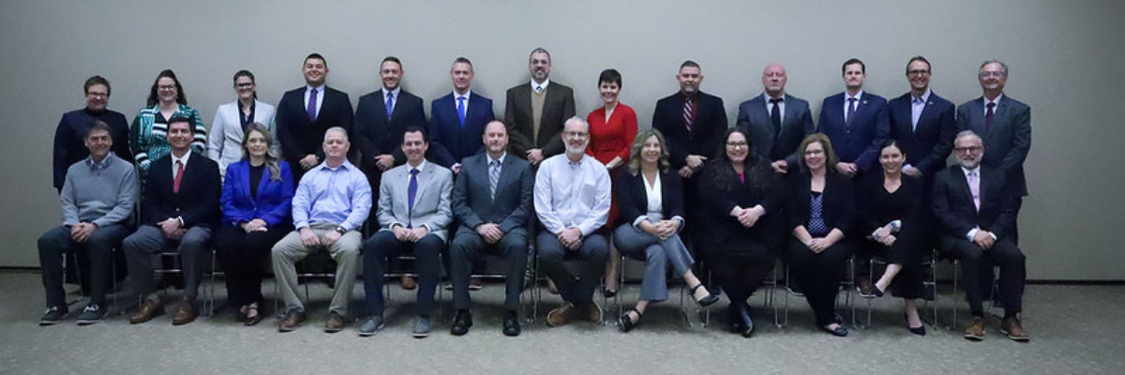
Most leadership programs produce certificates. Kentucky Leadership Rising is producing superintendents. Here's what genuine pipeline investment actually looks like.
By Brooke Goff May 26, 2026
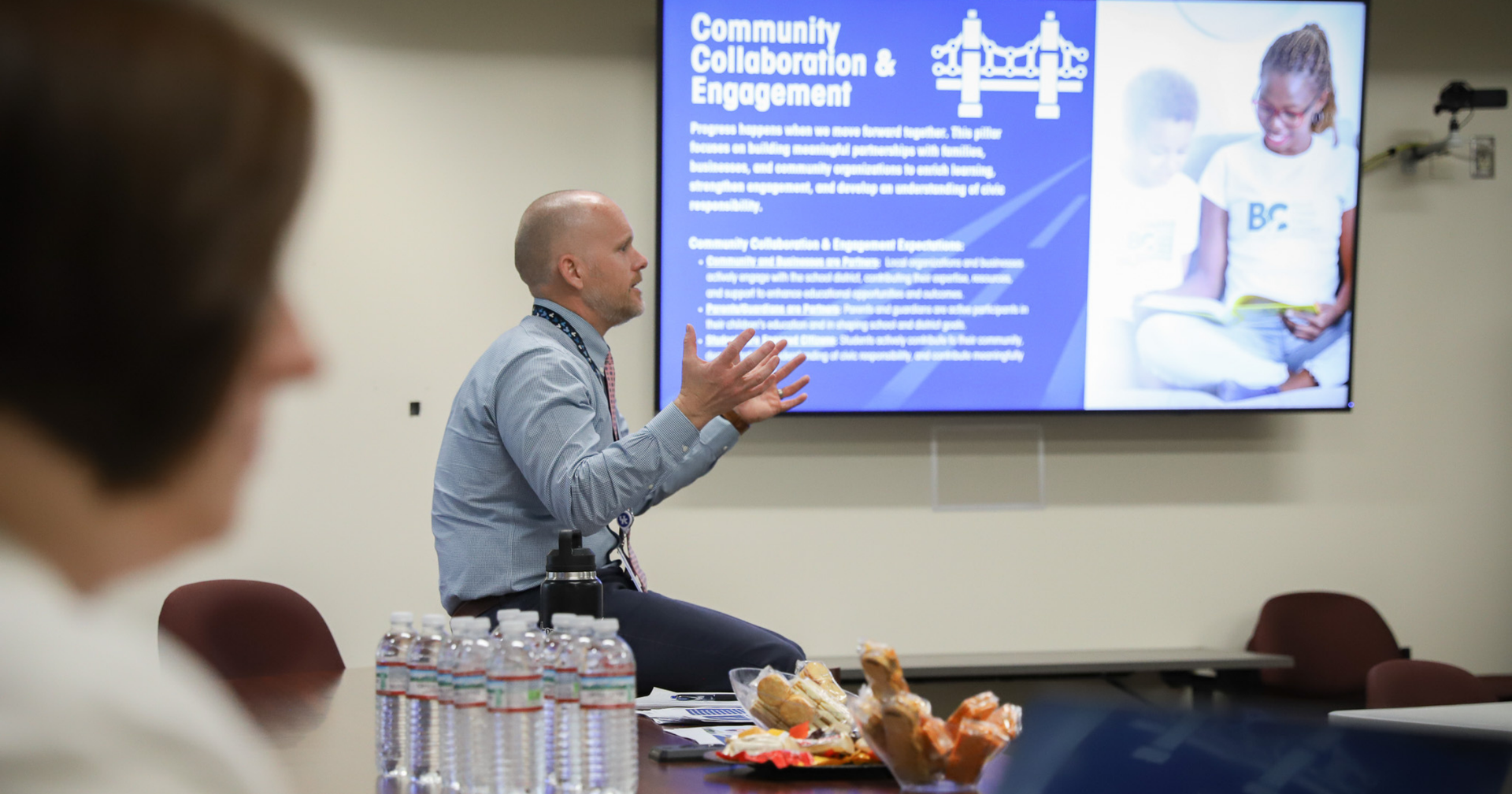
Clark County built student voice infrastructure while most districts wait for buy-in. Here are the three moves that made it structural, not performative.

the golden lens

sign up to our newsletter to stay updated!

Contact Us

SHARE THIS

learn how we can help