
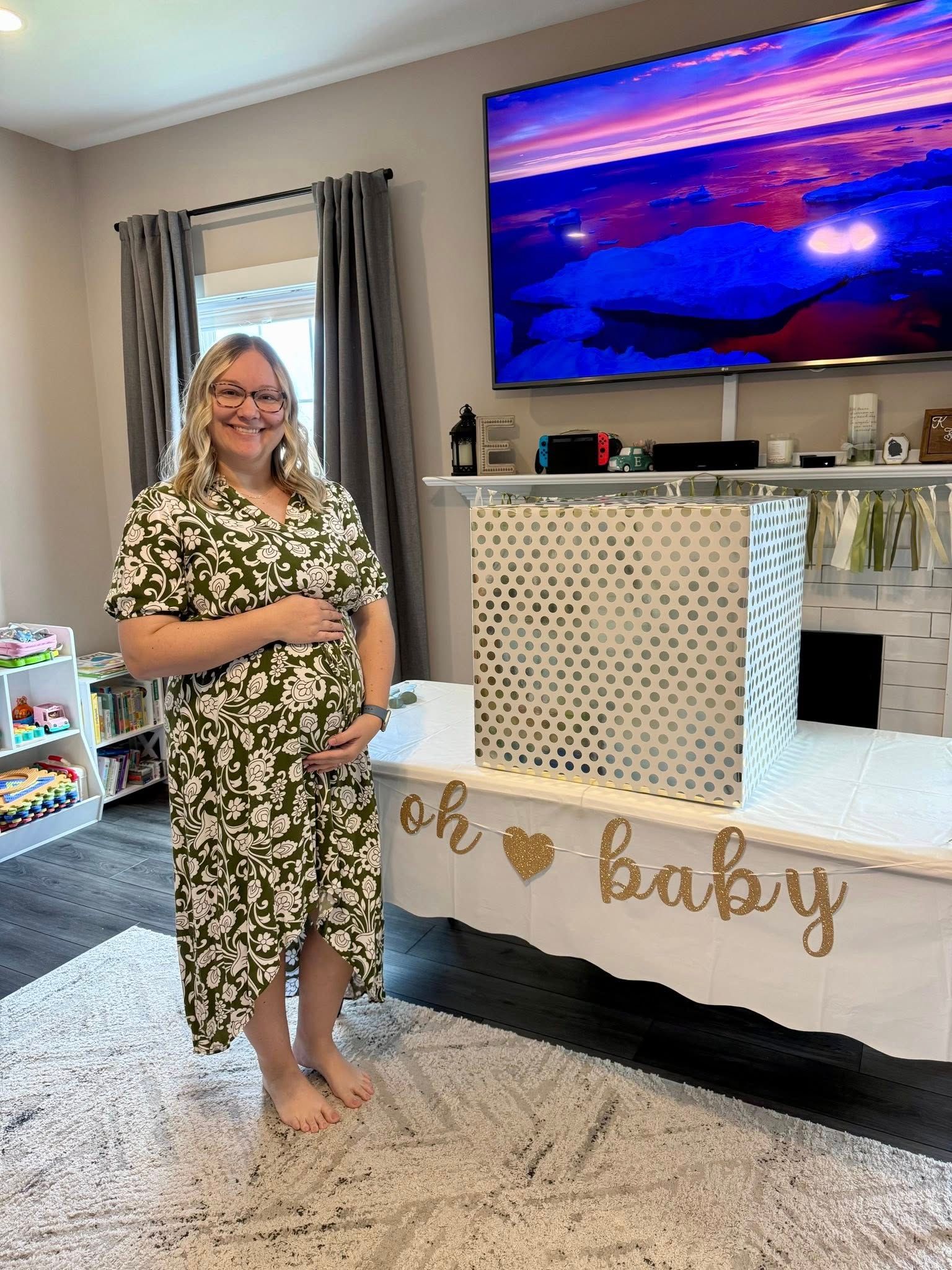

we're having two


By Brooke Goff March 19, 2026

I already knew.


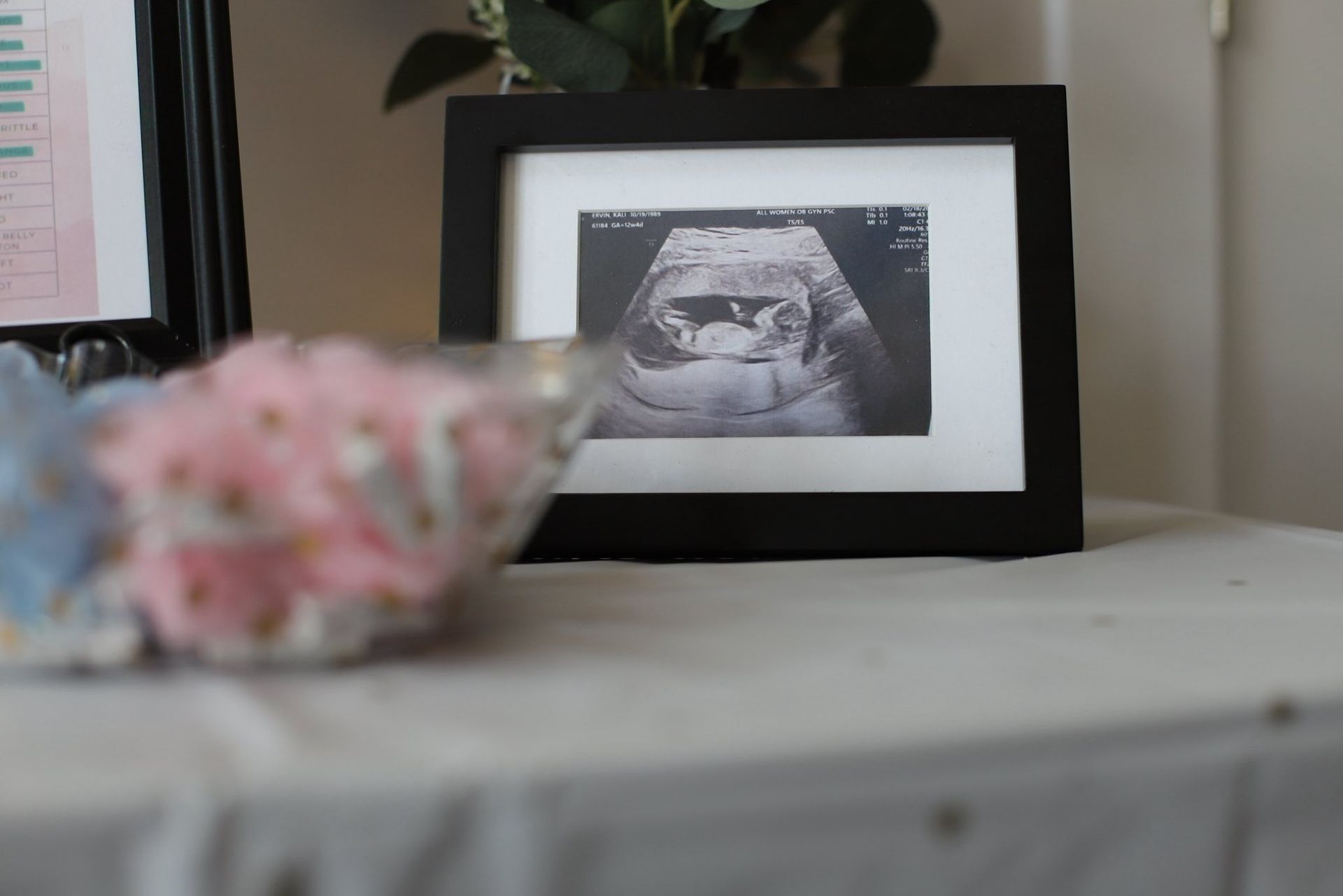
Kali had told me weeks before — twins, due at the end of July. I'd had my own private moment of joy and terror, done my own mental math on maternity leave and coverage and what this would mean for operations. I'd already cycled through the "oh my gosh" and landed somewhere in the "okay, we're doing this" zone.


But the rest of the team didn't know yet. Not Karri. Not Kristen. Not Nat.


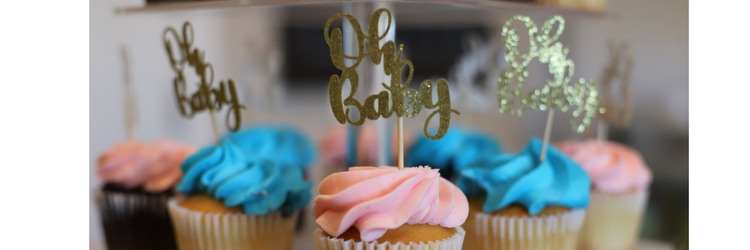
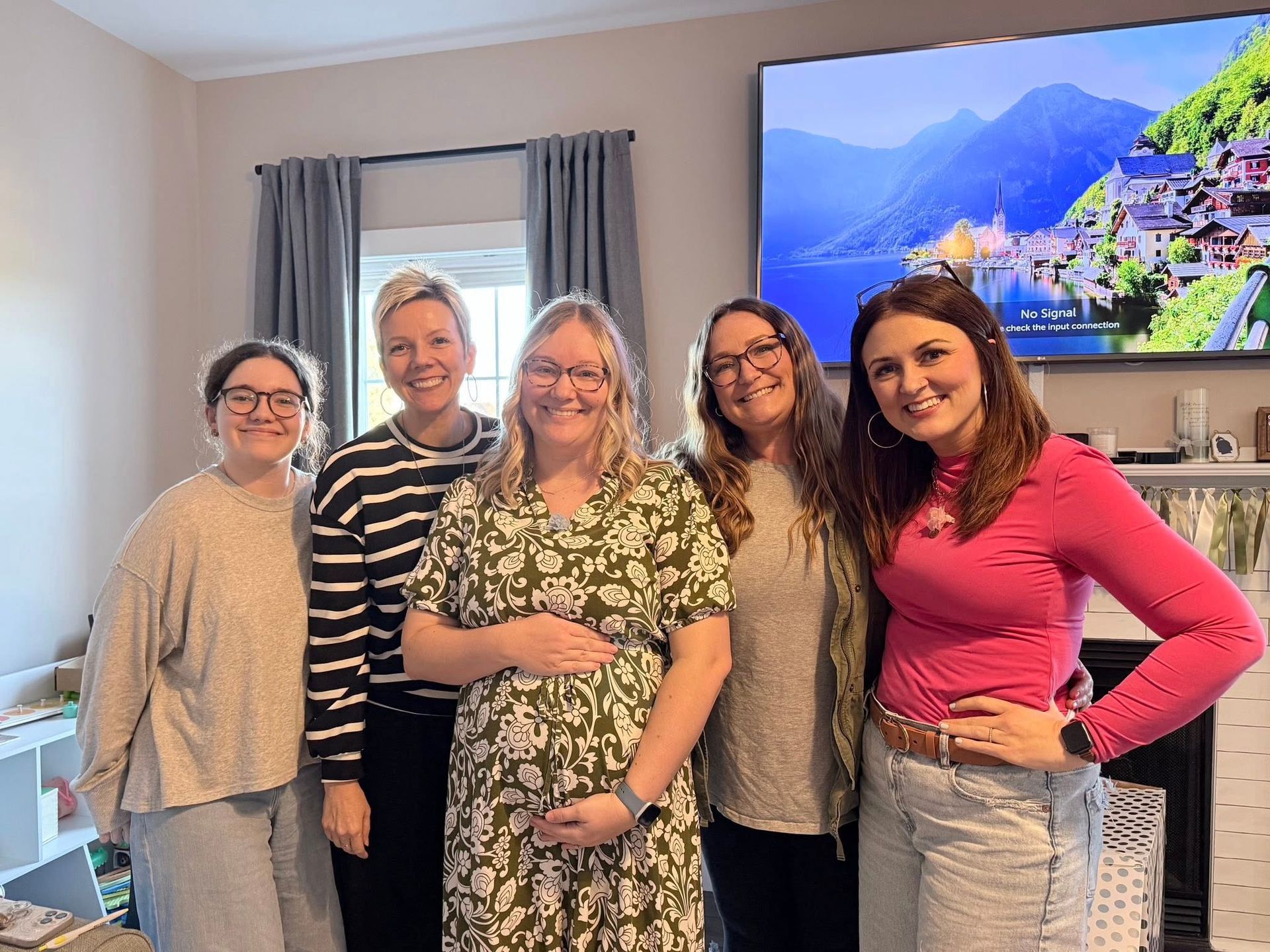
So when we all showed up to Kali's gender reveal — me, Karri, Kristen, with Emma, Nat, and my daughter Vivian — I knew what was coming. I just didn't know what it would feel like to watch them find out.


the moment that cracked everything open


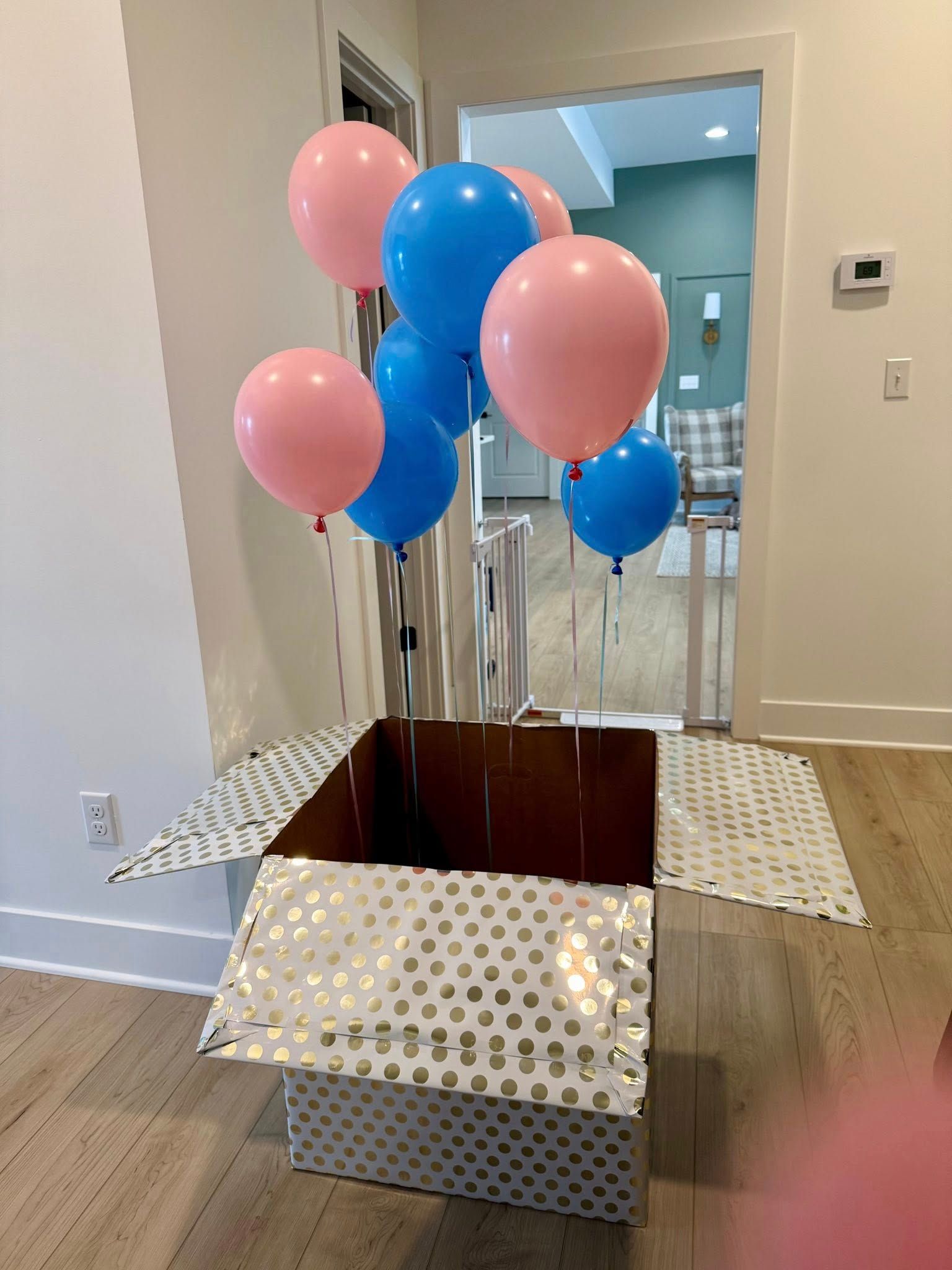
Two sets of balloons came out of that box. Blue and pink.


I was already crying. Something about a mama and her baby boy — I can't explain it, but it gets me every time. Grant Whitlow laid in bed with me just last week watching Mandalorian, and I looked over at him and thought, I love you so much. Boys are just different. So when those blue balloons came out, I lost it.


But then the second wave hit. Not just a boy. Twins.


I watched Karri's face. I watched Kristen's. I watched Nat's. They didn't know. And now they did.


There was screaming. There was laughing. There was that specific kind of chaos that happens when news lands that's too big to process standing up.


the morning after


The next day was Monday Magic.


Kristen came to the meeting feeling rough. Dizzy. Ears ringing. Exhausted in a way that felt like more than tired. She'd been putting off bloodwork for weeks — diabetes runs in her family, and her sister Sam had been on her about it. Sam was coming over after the meeting to check her blood pressure.


We were mid-conversation about getting Kristen to the doctor, trying to get Granola to connect, figuring out if the right screen was being shared. Normal Monday chaos. Our kind of chaos.


And then Kristen stopped us.


"I just want to say that I cannot believe Kali's having twins."


Not as a logistical observation. Not as someone doing mental math on coverage. As someone still receiving joy on behalf of someone she loves.


That's the moment. That's what it looks like when a team genuinely cares about each other. You don't manage the news. You receive it. Fully. And then — because this is also who we are — you start figuring out what she's going to need.


what Karri already knew


Karri didn't miss a beat. She'd been here before.


When her friends had twins — Joshua and Abigail, born on New Year's Eve during COVID — Karri was the one in the van. Both babies had tongue, lip, and cheek ties, which meant constant feeding therapy, doctor visits, chiropractic appointments. Karri rode in the back with them at every appointment. She basically lived inside that season.


So when Kali's news landed, Karri was already thinking practically. Not because anyone asked her to. Because that's who she is.


I started listing what was already in place. Eight weeks of paid maternity leave — not something we scrambled to figure out, just something that exists because it should. Childcare support through Karri. The possibility of anchoring Tuesday mornings for Kali's mental health in those first weeks. A real conversation about post-leave capacity, with the honest acknowledgment that no one can predict what twins actually require until you're in it.


And then Kali asked the question that sent us completely sideways: "What is the theme of a dual-gender nursery?"


Kristen — still dizzy, still waiting on her sister — didn't hesitate. "Cream. Maybe just cream and white and keeping it simple."


Karri had already been searching. She'd found a navy and mint set for a boy. Coral for the girl — except that line was discontinued. She'd found an idea online: Raggedy Ann and Andy, done subtly. Not clown characters everywhere, just little hints of brother and sister.

"It was darling," she said.


The conversation went on longer than any of us expected. Because we wanted it to.


holding two things at once


Here's the thing about that Monday morning: we were holding two things at once.

Kristen's health situation was real. I put her bloodwork on the official big rocks list for the week. "You think I'm joking," I told her, "but we're putting that on the list." We talked about protein bars and water and what her sister thought it might be. We took it seriously.


And we also fully received Kali's news. We didn't rush past it. We didn't table it for a "better time." We let the nursery theme conversation breathe. We let Karri pull up discontinued coral bedding on her phone. We let the joy take up space.


Not either-or. Both.


That's the test of culture. Not what's written in a handbook. What happens on a random Monday morning when someone is dizzy and someone else just found out she's having twins and there's still a full agenda to get through.


what we keep learning


Kali, laughing, called it the baby apocalypse.


We all laughed. Because it's both terrifying and wonderful in the exact same measure.

I'm not pretending the logistics aren't real. Two infants at once. Maternity leave for a team member who carries enormous operational responsibility. Post-leave capacity that is genuinely unknown.


But here's what I've learned: caring for your people and running a healthy business are not in opposition to each other. They're the same thing. A team that knows they'll be caught when something big happens is a team that brings their whole self to the work. A team that trusts the systems will hold doesn't burn out trying to hold everything together alone.


The eight weeks of paid maternity leave isn't a generous exception. It's just how we operate. So is Karri offering childcare before anyone asked. So is putting Kristen's bloodwork on the agenda. So is the nursery conversation that none of us wanted to cut short.


None of that is heroic. All of it is intentional.


what it means to build something that lasts


Kali has been part of the Alchemy Collaborative for a little over a year, and yet she carries enormous amounts of this work: the operations, the systems, the things that happen before clients ever see anything. She's building something hard and beautiful right now — two human beings, at the same time, from scratch — and we want to carry her while she does it.


That's the kind of team we're trying to be. Not a family (I know that word gets complicated), but something real.


A group of people who show up for the work because they also show up for each other. Who move toward someone when things get big instead of quietly hoping it resolves itself.


The nursery theme is still being debated. Karri's on the hunt for that discontinued coral bedding.


Congratulations, Kali. We love you. Go rest. We've got the Monday agenda.


read our most recent posts

By Brooke Goff July 21, 2026
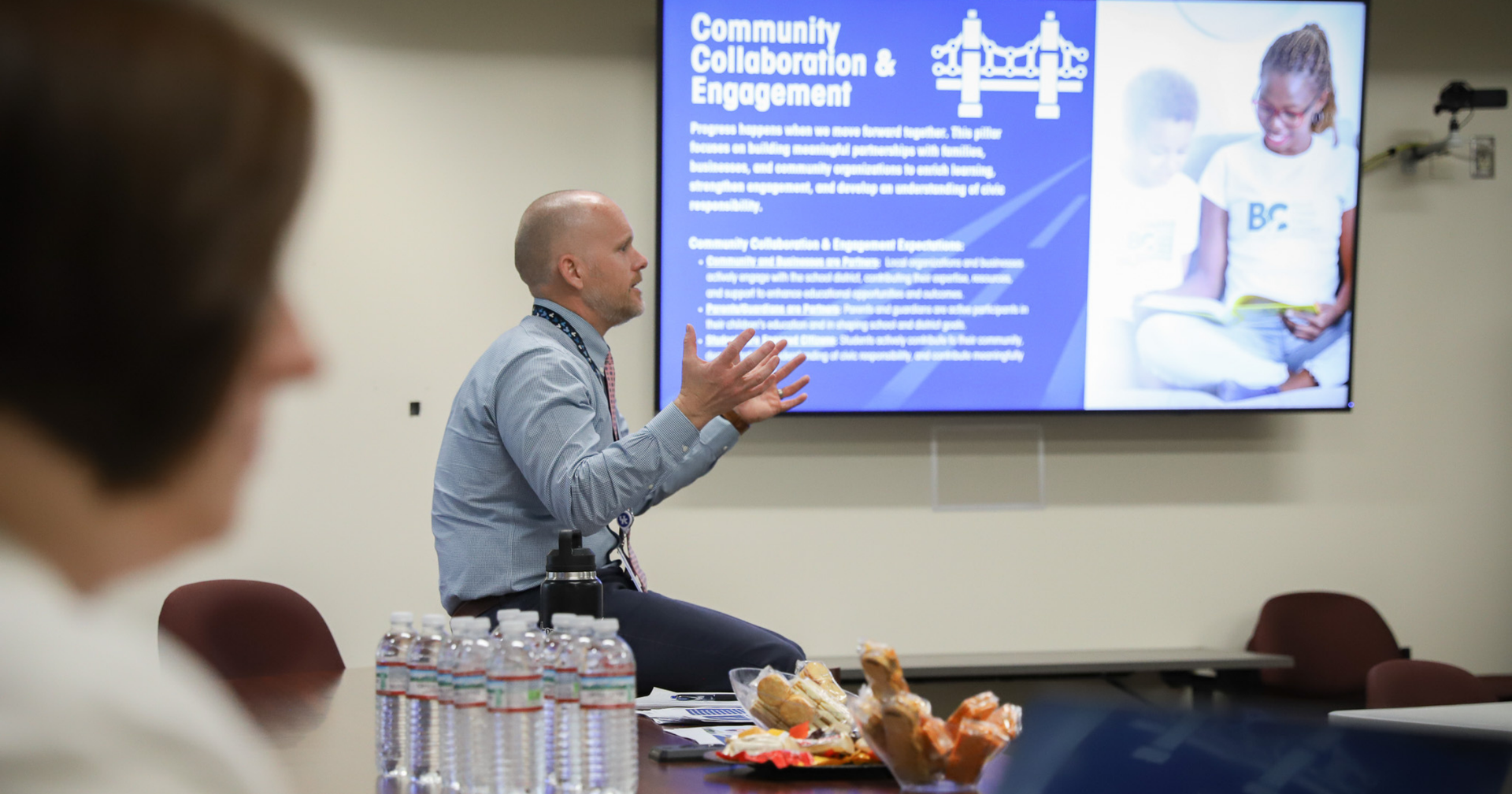
Most principals are watching local accountability happen from the hallway. You don't have to wait for an invitation. There is a teacher in a school you probably know. Maybe you have someone like her on your team right now. She runs the PLCs. She sits in on planning sessions across grade levels. She knows which classrooms are doing cross-curricular vibrant learning work this quarter, and she knows which teachers need extra support to pull it off. When something remarkable happens in a student's learning, she finds out. She takes the photos. She writes the caption. She is the reason the school's story gets told at all. And she is one person. When local accountability arrives at your building (and it is arriving) it is going to ask for documented vibrant learning evidence, a Portrait of a Learner that lives somewhere public, data that shows your community what your school actually stands for. And if your answer to any of those requests runs through one person's head, one person's phone camera, one person's memory of what happened in third period on a random Tuesday in October, you have a fragility problem. Not a people problem. A systems problem. And it is fixable, but only if you start now, before the district finishes building the dashboard you will eventually be feeding. Here is what I want principals to know before anything else: you are not behind. You are not failing. The local accountability conversation in Kentucky has been happening almost entirely at the district level, and the assumption buried inside a lot of that work is that principals are naturally in the loop. That superintendents are passing information down. That buildings are ready. Most of them are not. And that is not the principal's fault.  What is within a principal's control right now is whether the work already happening in their building gets captured in a way that will matter later. Not a new initiative. Not a new platform. Not a new committee. Three practices, intentionally done, that most strong principals are already doing accidentally.
By Brooke Goff July 7, 2026
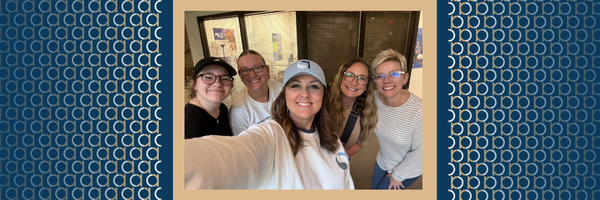
We didn't raise our rates. A client assumed we had. Four systems that explain what changed -- and what AI made possible that wasn't possible before.
By Brooke Goff June 22, 2026
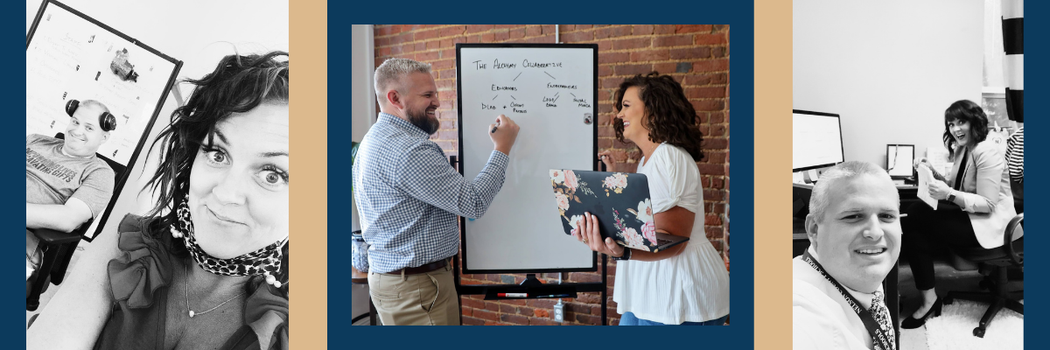
What happens when your culture lives only in people's heads? The three school communications systems every organization needs but rarely builds.
the golden lens

sign up to our newsletter to stay updated!

Contact Us

SHARE THIS

learn how we can help