


the ksa shuffle: compliance season, storytelling style
November 24, 2025

Each fall, Kentucky’s accountability conversation changes a bit with new data, headlines, color ratings, and pressure for districts to explain the numbers. But what families really want is simple: clarity. We can help create that clarity.

This post explains how to share KSA results in a way that lowers stress, builds trust, and matches the data story to your district’s real work this year.


why clarity matters now

Families don’t read state accountability memos. They look at your homepage.
With this year’s KSA release, leaders across the state are following KDE’s advice from last year: celebrate progress and recognize unfinished work, especially in subgroup performance and areas like science and writing.

But if parents visit a district site and are overwhelmed by an abundance of numbers, can’t tell what the colors mean, what's improved, or what’s next, the story turns into one simple question:

“Is our school okay?”


Clear, well-placed KSA summaries help answer that question before it gets out of hand. The numbers matter, but the meaning matters more.


what districts are really competing with


Not each other, but attention.


Color ratings (Blue, Green, Yellow, Orange, Red) often shape first impressions because they are the most visible part of the system. Districts like Kenton County used their Green and Blue ratings as key points in the press this year.

Families naturally prefer simple visuals instead of long reports.


If your district doesn’t provide a clear, accurate visual first, people will fill in the gaps with their own assumptions.


This is where strategic design becomes an accountability tool, not for manipulation but to help people understand the data.


designing the data story families actually need


One of the easiest ways to help families understand your KSA results is to make your data accessible, both visually and emotionally.

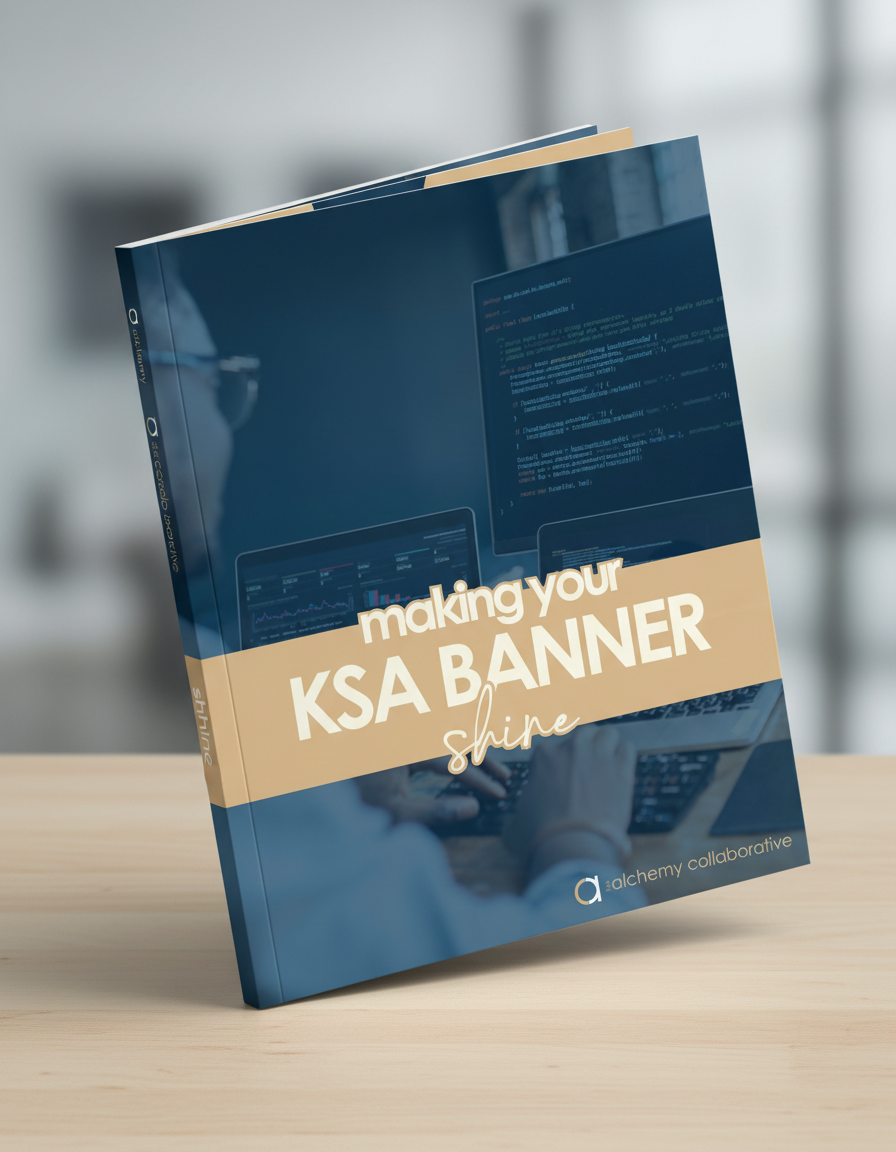
That’s why we created the KSA Banner & Table Guide. It walks districts through customizing a clean, branded banner and score table using Apptegy’s custom code feature.


The guide includes:


  • notes on where to drop in your links, colors, and scores
  • guidance on replacing IDs so the banner shows up in the right place
  • reminders to edit only what’s labeled, avoiding code errors
  • color and font guidance to ensure readability

This isn’t about making scores look better.


It’s about making them clear.


When families can read, follow, and navigate your data, tension drops and trust grows.


Families don’t need perfect scores. They need a clear story about what you’re learning and where you’re growing.


framing the data beyond the score


Here’s the change we’re seeing across Kentucky:


Districts are using data less as a verdict and more as a way to start conversations.


From subgroup growth to postsecondary readiness gains, leaders are highlighting both progress and momentum. They remind communities that proficiency is only one part of the full picture.


When your KSA banner and table appear on your homepage next to stories about new programs, upcoming priorities, or first-quarter celebrations, families see the data in context. This context lowers fear and builds shared ownership.


connect for a clearer ksa story


If you want help designing or presenting your KSA results, whether visually, strategically, or on your homepage, we’d love to help you create a story that shows your district’s real work and priorities.


Download your free copy of "Making Your KSA Banner Shine," which walks you through this process!

share:

we're just getting started. explore our other blogs.

By Brooke Goff June 22, 2026
What happens when your culture lives only in people's heads? The three school communications systems every organization needs but rarely builds.
By Brooke Goff June 12, 2026
Most leadership programs produce certificates. Kentucky Leadership Rising is producing superintendents. Here's what genuine pipeline investment actually looks like.
By Brooke Goff May 26, 2026
Clark County built student voice infrastructure while most districts wait for buy-in. Here are the three moves that made it structural, not performative.
By Brooke Goff May 26, 2026
Districts are building accountability systems with fragmented teams. Here's what happens when communications directors aren't at the table from day one.
By Brooke Goff May 26, 2026
HB 257 gives districts funding for dashboards. Most are skipping six foundational questions that determine whether those dashboards will actually work.
By Brooke Goff May 26, 2026
Carroll County spent three years building identity, strategy, and story infrastructure before launching their dashboard. Here's why that order matters.
By Brooke Goff April 9, 2026
Two amendments were withdrawn because superintendents built community trust before the session. Here's what consistent communication infrastructure actually requires.
By Brooke Goff April 2, 2026
Small Kentucky districts don't have a story problem — they have a systems problem. Here's how ParentSquare's new tagging feature changes local accountability dashboards forever.
Show More