

the hidden heartbeat of local accountability


By Brooke Goff November 24, 2025

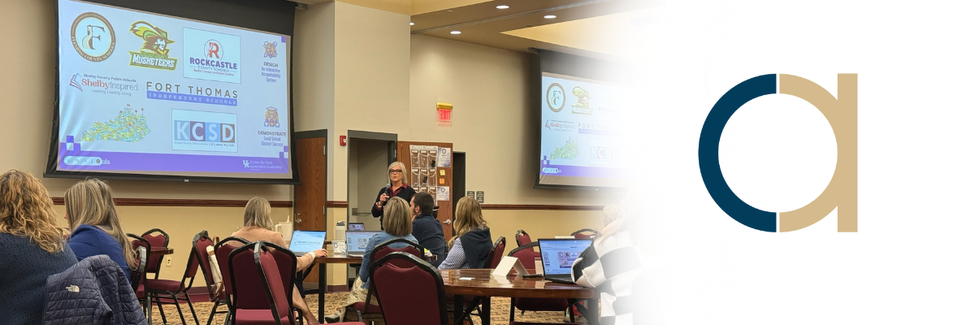
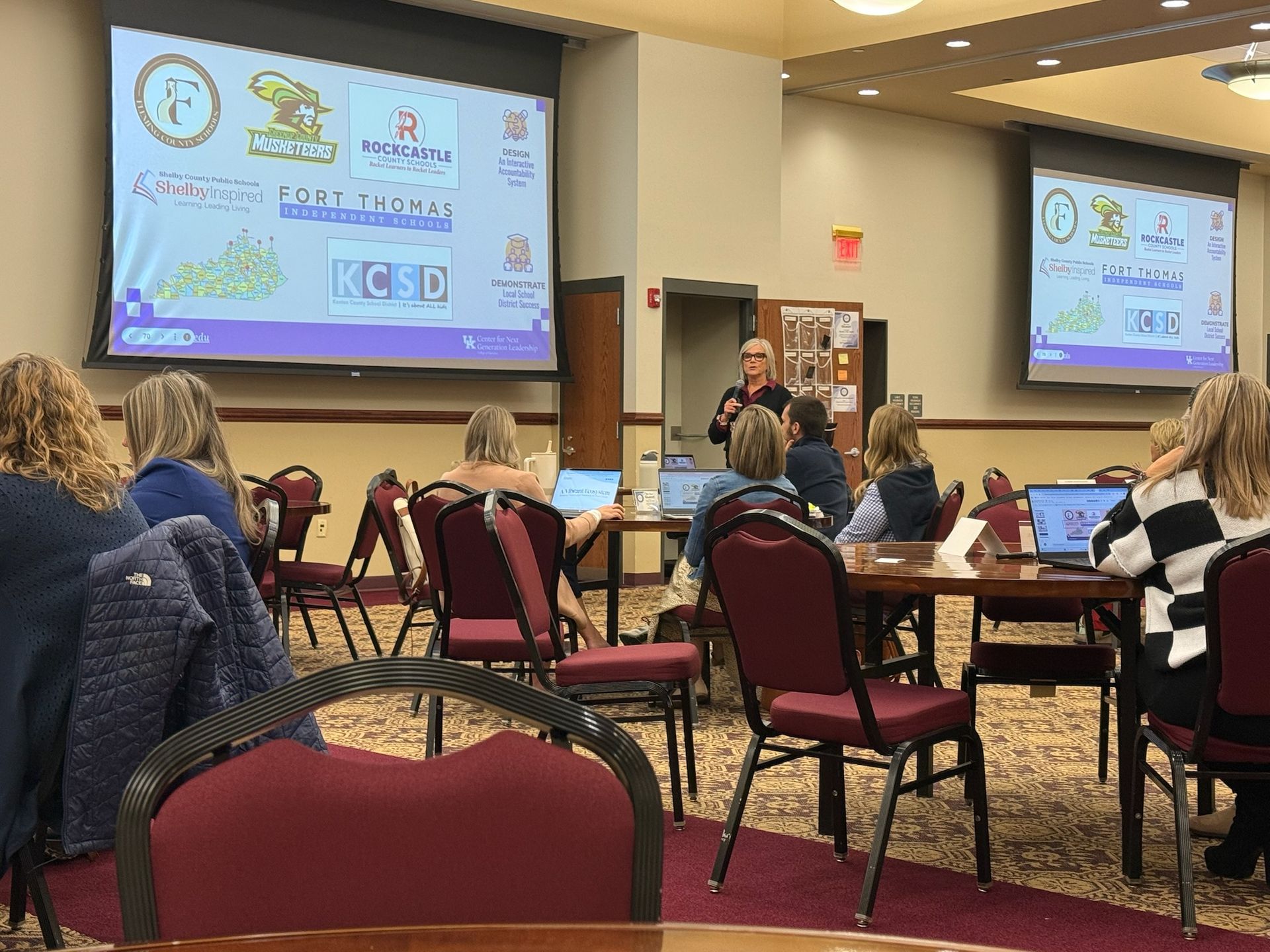
Last week at the UK Next Gen Leadership Academy, something small-but-mighty happened. In a room full of district leaders discussing “local accountability,” Susan Dugle highlighted the work happening across the state in this area. Who popped up on the screen? Our precious friends in Fleming County, of course! It reminded me of something we see over and over again: what districts call accountability is often just thoughtful visibility and storytelling.


And the best part? Most districts already have the pieces.


what if accountability starts with one communication habit?


During the academy, I led two communication sessions. In those sessions, I shared a simple prompt we often use with partners when the idea of communication becomes overwhelming.


What’s one communication rhythm, habit, or process that actually works in your organization?

It’s always fun to stump a room full of brilliant district leaders. The room paused... not because districts don’t have habits, but because they rarely name them out loud!

But naming is where everything changes.


When leaders identified the simple things that already worked (a weekly principal email, a shared Google Doc of stories, a standing Monday rhythm), they were actually naming the first layer of visibility. The quiet systems that help everyone see the same picture at the same time.


And that’s the foundation of local accountability.


the ripple effect: how one rhythm becomes a system


We explored the “ripple map”, which is a simple tool our team created that helps leaders see how one small communication habit can scale into a system of alignment, trust, and coherence.


The map walks district and school leaders through:


  • Direct impact: What happens right away?
  • System impact: What other workflows start depending on this?
  • Cultural impact: How does consistency shape trust and identity?
  • External impact: How do families experience it?

This is the part when the room starts buzzing because district leaders suddenly saw accountability as something they already touch every day. Not a dashboard. Not a binder. Not a compliance report.


A rhythm.


A single steady beat that other systems eventually align around.


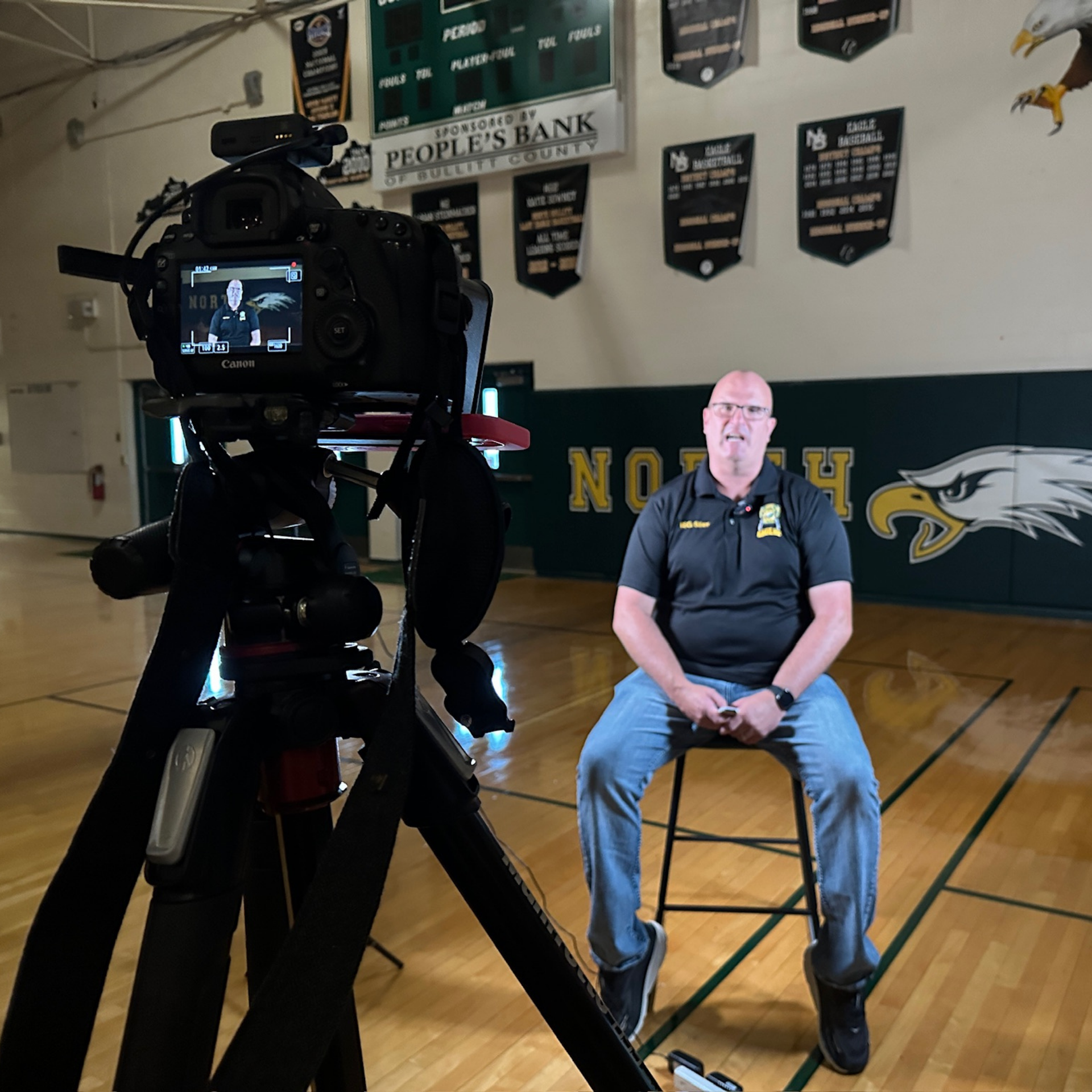
In this presentation, I used a fun example from Bullitt County Public Schools to showcase how a simple shared Google Doc evolved into a districtwide storytelling ecosystem with measurable cultural and external impact. Fleming County’s story sits in the same lineage: small structures becoming systems of trust.


behind the scenes with UK Next Gen: why Fleming County’s model resonates


When Susan lifted up Fleming County, it wasn’t because of a spreadsheet or a scorecard.


It was because they’ve built a model of local accountability grounded in:


  • Clarity
  • Visibility
  • Storytelling
  • Ownership across roles

Which aligns directly with the “operationalizing what works” framework we walked through: moving from intuition → intention → implementation.


And that’s the part most districts miss.


Local accountability isn’t built by adding more.


It’s built by designing around what’s already working.


The moment Fleming County was featured, it became clear: their systems don’t just measure learning. They make the learning visible.


the real truth: accountability is communication


The more we partner with districts, the more this becomes undeniable:


Accountability is not a document.


It’s a rhythm.


A habit.


A way of seeing.


And most importantly:


What districts call “accountability” is often just thoughtful visibility and storytelling.


When you create structures that help people see what’s happening (consistently, clearly, and humanly), you don’t have to force accountability.

It emerges.


want to map your district’s “one rhythm”?


If you want help identifying your district’s natural communication heartbeat and how it could evolve into a full local accountability system: let’s talk.


read our most recent posts

By Brooke Goff July 21, 2026
Most principals are watching local accountability happen from the hallway. You don't have to wait for an invitation. There is a teacher in a school you probably know. Maybe you have someone like her on your team right now. She runs the PLCs. She sits in on planning sessions across grade levels. She knows which classrooms are doing cross-curricular vibrant learning work this quarter, and she knows which teachers need extra support to pull it off. When something remarkable happens in a student's learning, she finds out. She takes the photos. She writes the caption. She is the reason the school's story gets told at all. And she is one person. When local accountability arrives at your building (and it is arriving) it is going to ask for documented vibrant learning evidence, a Portrait of a Learner that lives somewhere public, data that shows your community what your school actually stands for. And if your answer to any of those requests runs through one person's head, one person's phone camera, one person's memory of what happened in third period on a random Tuesday in October, you have a fragility problem. Not a people problem. A systems problem. And it is fixable, but only if you start now, before the district finishes building the dashboard you will eventually be feeding. Here is what I want principals to know before anything else: you are not behind. You are not failing. The local accountability conversation in Kentucky has been happening almost entirely at the district level, and the assumption buried inside a lot of that work is that principals are naturally in the loop. That superintendents are passing information down. That buildings are ready. Most of them are not. And that is not the principal's fault.  What is within a principal's control right now is whether the work already happening in their building gets captured in a way that will matter later. Not a new initiative. Not a new platform. Not a new committee. Three practices, intentionally done, that most strong principals are already doing accidentally.
By Brooke Goff July 7, 2026
We didn't raise our rates. A client assumed we had. Four systems that explain what changed -- and what AI made possible that wasn't possible before.
By Brooke Goff June 22, 2026
What happens when your culture lives only in people's heads? The three school communications systems every organization needs but rarely builds.
the golden lens

sign up to our newsletter to stay updated!

Contact Us

SHARE THIS

learn how we can help