

why rewarding ‘bad ideas’ can transform how we communicate change


By Brooke Goff September 8, 2025

Superintendents are leading through a season of big shifts. Local accountability. New definitions of student success. Vibrant learning that stretches far beyond traditional classrooms.


These aren’t just program updates. They’re cultural shifts. And here’s the truth: how you communicate them matters just as much as how you design them.


But too often, communication is treated like the final step: polish the plan, write the press release, send it out. By then, it’s too late.

The most effective leaders know that communication belongs at the table from the very beginning.


the power of messy ideas


Andrew Robertson, longtime CEO of BBDO, once shared how his team created one of the most successful ad campaigns of all time. It wasn’t because they demanded brilliance from the start. It was because they encouraged an abundance of bad ideas as he explains here.


Hidden in one of those “bad” drafts was the line that became “you’re not you when you’re hungry.”


That same truth applies in education.


The right words to explain accountability shifts or vibrant learning often don’t appear fully formed. They’re discovered in the messy brainstorming, where communication directors, staff, families, and students are free to throw out half-formed thoughts and clumsy drafts.


superintendents: bring your communicators in early


When communication directors are invited into strategy work (not just the final packaging) they do three powerful things:

  • Spot the gold buried in messy ideas. A throwaway parent comment or rough staff note might reveal the clearest message.
  • Build psychological safety. They know how to lower the pressure so people feel free to contribute honestly.
  • Shape community trust. By being in the room, they help design not just what the work is, but how it will be felt by families and the community.


If they’re only brought in at the end, you lose all of that.


communication as leadership, not just delivery


Great communication isn’t about spinning the work. It’s about leading the work.


When superintendents empower communication directors to be co-strategists, districts build cultures where:

  • Voices are welcomed early, not edited out late.
  • Messy drafts are valued as part of the process.
  • The final message carries community fingerprints, not just top-down approval.


That’s what trust looks like.


leading change with abundance


At alchemy, we believe empowered people build powerful systems. The same is true in communication.


Superintendents who empower their communicators aren’t just delegating tasks. They’re planting vision. They’re saying: This work is too important to keep in a silo. We need your gifts in the room, from the very beginning.


That’s how you move from simply announcing change to actually leading it.


what's next?


The next time you’re mapping out a new accountability system, or defining what vibrant learning looks like in your district, don’t wait until it’s “ready” to loop in your communications team.


Invite them into the messy space. Encourage the “bad” ideas. Reward the process, not just the product.


Because that’s where the real gold emerges and where your community begins to believe in the story you’re telling together.


Reach out; we'd love to help you get started.

read our most recent posts

By Brooke Goff July 21, 2026
Most principals are watching local accountability happen from the hallway. You don't have to wait for an invitation. There is a teacher in a school you probably know. Maybe you have someone like her on your team right now. She runs the PLCs. She sits in on planning sessions across grade levels. She knows which classrooms are doing cross-curricular vibrant learning work this quarter, and she knows which teachers need extra support to pull it off. When something remarkable happens in a student's learning, she finds out. She takes the photos. She writes the caption. She is the reason the school's story gets told at all. And she is one person. When local accountability arrives at your building (and it is arriving) it is going to ask for documented vibrant learning evidence, a Portrait of a Learner that lives somewhere public, data that shows your community what your school actually stands for. And if your answer to any of those requests runs through one person's head, one person's phone camera, one person's memory of what happened in third period on a random Tuesday in October, you have a fragility problem. Not a people problem. A systems problem. And it is fixable, but only if you start now, before the district finishes building the dashboard you will eventually be feeding. Here is what I want principals to know before anything else: you are not behind. You are not failing. The local accountability conversation in Kentucky has been happening almost entirely at the district level, and the assumption buried inside a lot of that work is that principals are naturally in the loop. That superintendents are passing information down. That buildings are ready. Most of them are not. And that is not the principal's fault.  What is within a principal's control right now is whether the work already happening in their building gets captured in a way that will matter later. Not a new initiative. Not a new platform. Not a new committee. Three practices, intentionally done, that most strong principals are already doing accidentally.
By Brooke Goff July 7, 2026
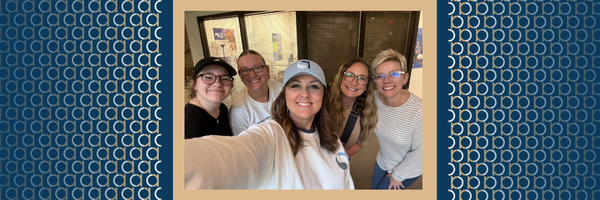
We didn't raise our rates. A client assumed we had. Four systems that explain what changed -- and what AI made possible that wasn't possible before.
By Brooke Goff June 22, 2026
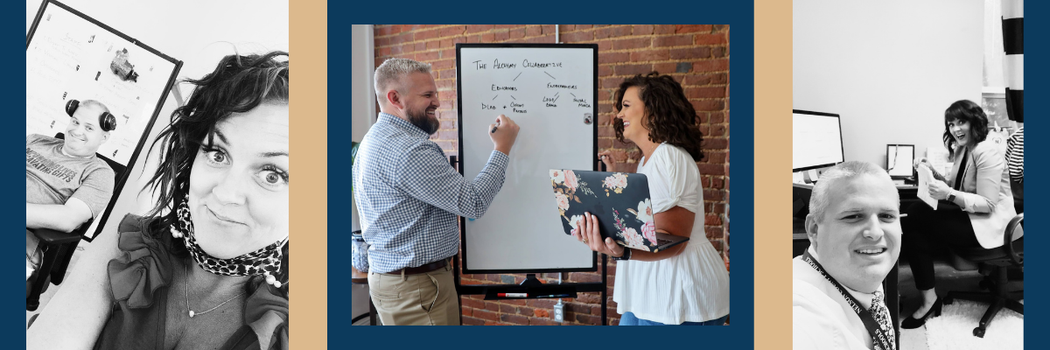
What happens when your culture lives only in people's heads? The three school communications systems every organization needs but rarely builds.
the golden lens

sign up to our newsletter to stay updated!

Contact Us

SHARE THIS

learn how we can help