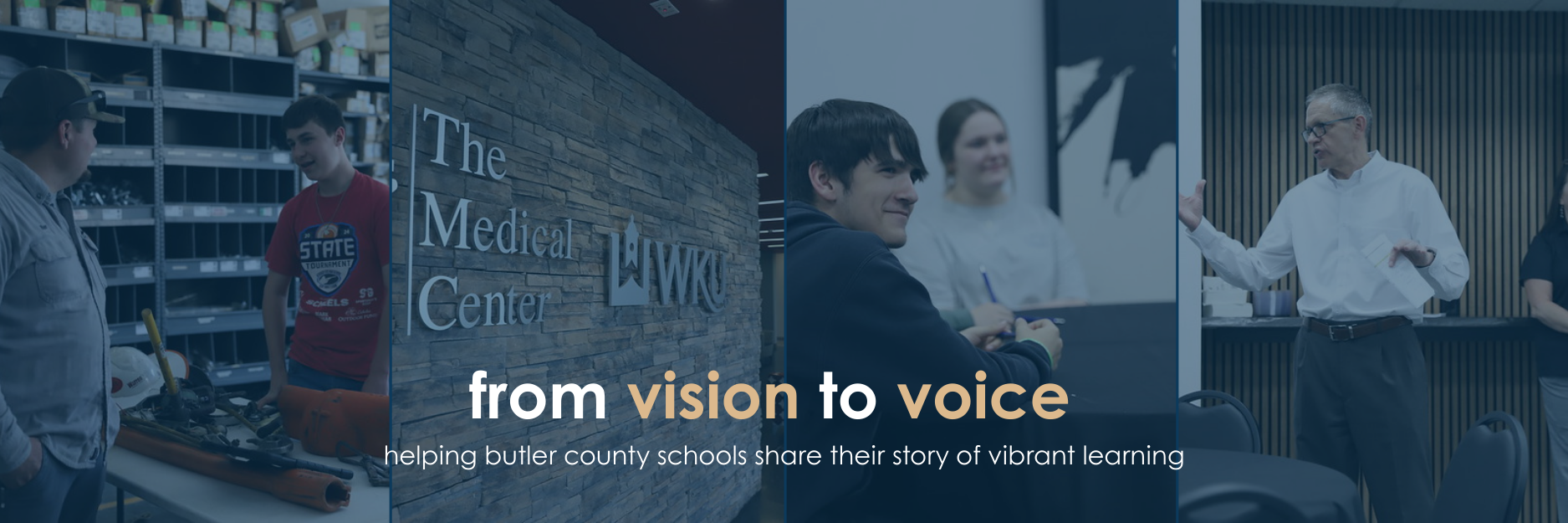

from vision to voice: helping butler county schools share their story of vibrant learning


By Brooke Goff September 8, 2025

In districts across the country, leaders are moving beyond test scores to define success in richer, more human terms. Butler County Schools in Kentucky is one of those districts. Their strategic plan places the portrait of a learner at the center by emphasizing character, problem solving, communication, collaboration, and global citizenship as essential outcomes for every graduate.


Yet for many communities, bold visions like this are hard to grasp at first. Terms like student defenses or community-based accountability can sound abstract. That’s where thoughtful communication becomes as vital as the vision itself.


why communication shapes change

Districts often underestimate how much translation is required to make visionary work accessible. A plan might be clear to leadership teams, but families and community partners need more than a chart or document. They need stories that connect the “why” of change to the daily lives of students.


At Alchemy, our role is to help district leaders bridge that gap. We design communication strategies that make complex initiatives feel tangible, inspiring, and rooted in local identity. This aligns with Kentucky’s broader commitment to innovation, as reflected in the Kentucky Department of Education’s Innovation Guide.


butler’s challenge: explaining student defenses

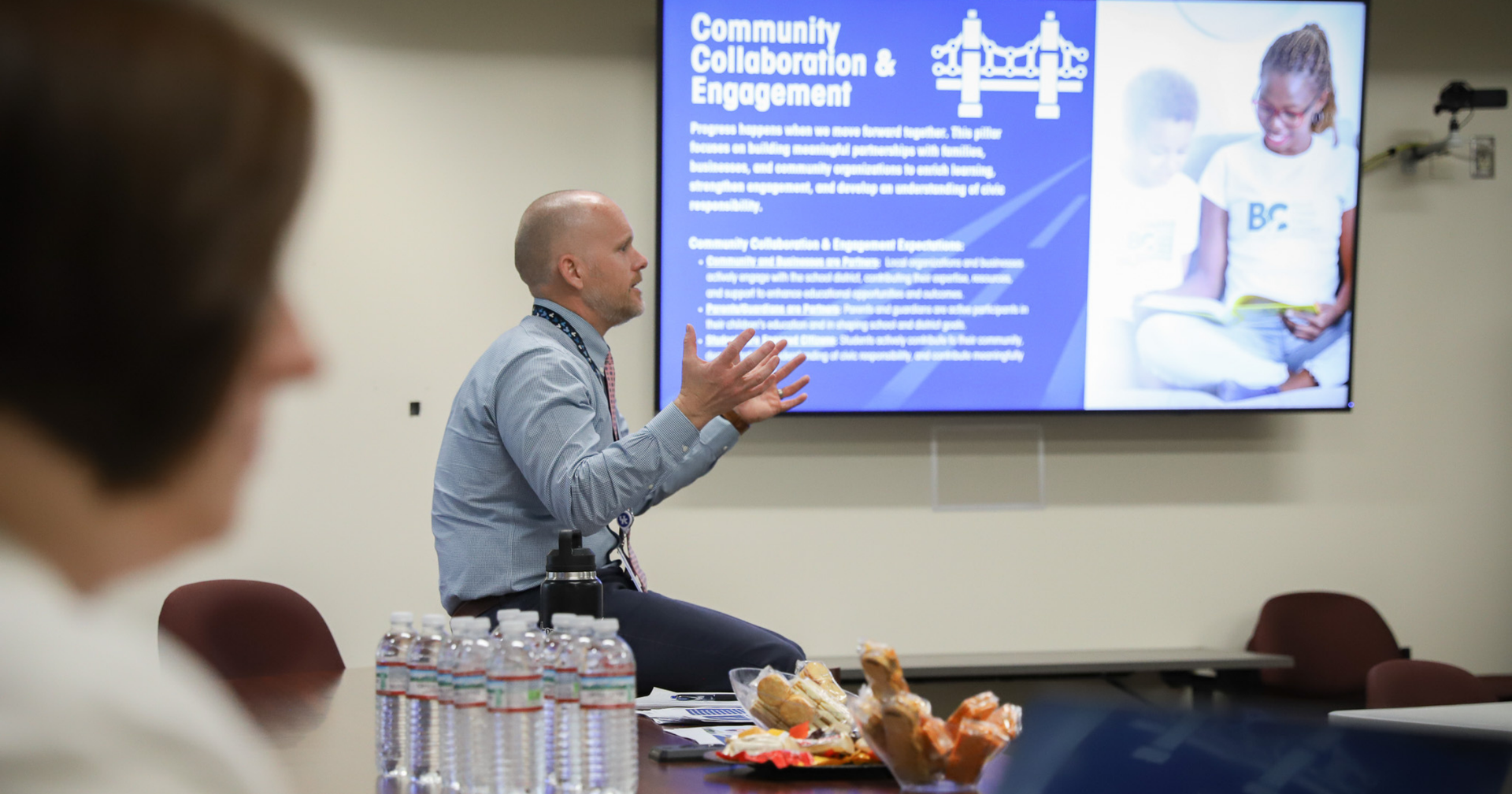
One of Butler County’s most significant innovations is the introduction of student defenses; in this process, learners publicly present their growth and demonstrate readiness for the next stage of learning. Student defenses are tied directly to the district’s portrait of a learner and will eventually serve as a graduation requirement for the Class of 2027.


For families unfamiliar with this practice, it raises natural questions: What is a defense? Why does it matter? How is it different from a test?


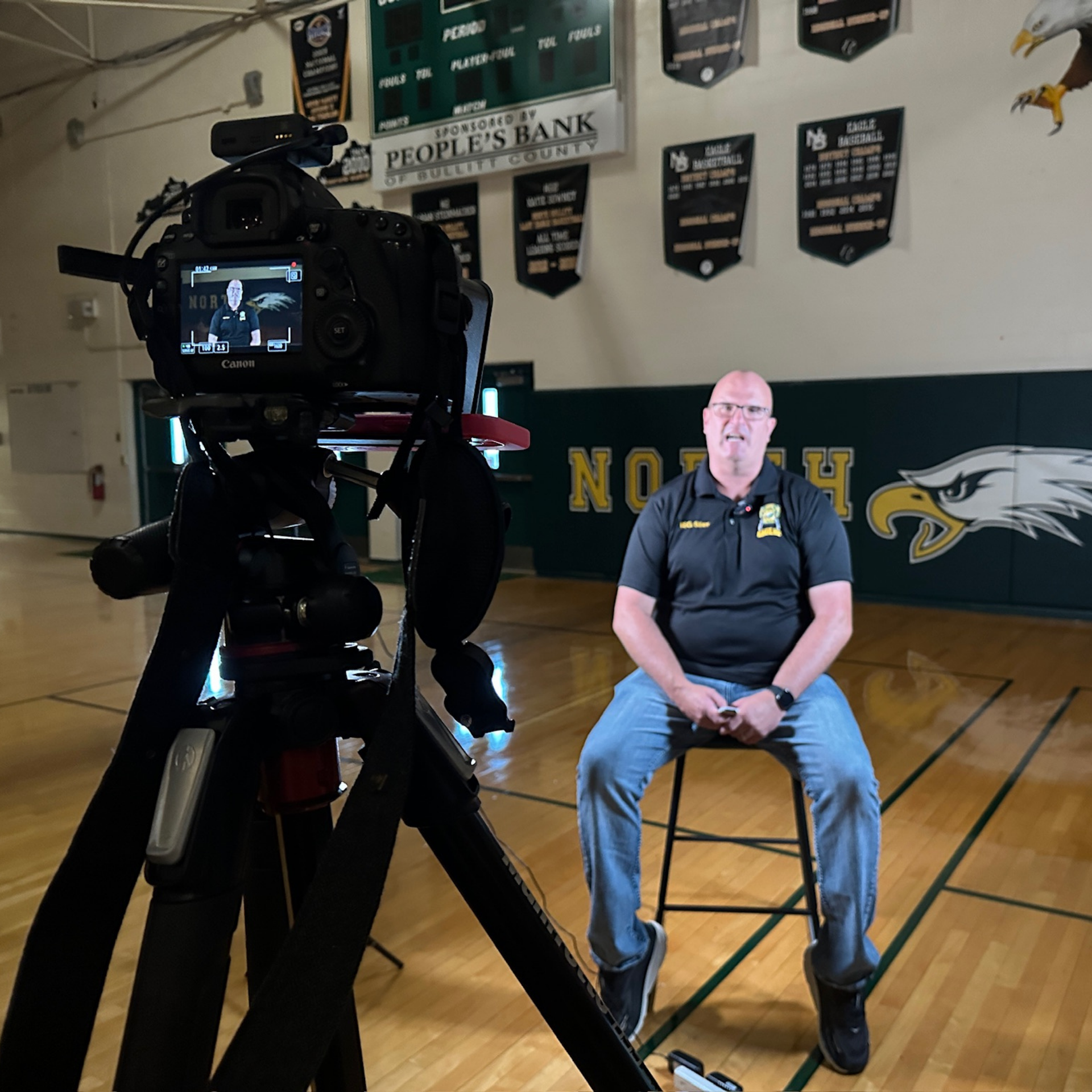
To support Butler County, our team created a student defense video script that paired leadership messaging with authentic student voices. The goal was simple:

  • showcase students explaining their learning in their own words
  • connect stories to competencies like global citizenship, problem solving, and communication
  • reinforce community pride by highlighting local businesses, athletics, and partnerships


By weaving leadership context with real student reflections, Butler’s vision shifted from abstract strategy to lived experience. This echoes the work of the National Center for Innovation in Education at the University of Kentucky, which champions practices like competency-based learning and student voice.


turning plans into public confidence

When districts communicate well, they build trust. Families begin to see not only the goals, but also the benefits for their children. Community partners recognize how they fit into the story. Students themselves gain confidence as their voices are elevated.


In Butler County, the shift is already visible. The message has become less about policy and more about belonging to a culture of vibrant learning. This is community-based accountability in action: schools showing (not just telling) what growth looks like.


Kentucky has long been at the forefront of rural innovation, supported by organizations like the Center for Rural Development, which equips communities to thrive through leadership and education. Butler’s story is one more example of how rural districts can lead boldly in defining student success.


our commitment at alchemy

Alchemy exists to help districts make this leap from vision to voice. We believe that when leadership invests in communication, innovation accelerates. Plans find traction. Communities rally. Students shine.


Whether it’s Butler County’s student defenses, a portrait of a learner, or another district’s moonshot, our role is clear: to design systems and stories that make visionary work visible, accessible, and trusted.


Schedule a consult. We’re here to help.

read our most recent posts

By Brooke Goff July 21, 2026
Most principals are watching local accountability happen from the hallway. You don't have to wait for an invitation. There is a teacher in a school you probably know. Maybe you have someone like her on your team right now. She runs the PLCs. She sits in on planning sessions across grade levels. She knows which classrooms are doing cross-curricular vibrant learning work this quarter, and she knows which teachers need extra support to pull it off. When something remarkable happens in a student's learning, she finds out. She takes the photos. She writes the caption. She is the reason the school's story gets told at all. And she is one person. When local accountability arrives at your building (and it is arriving) it is going to ask for documented vibrant learning evidence, a Portrait of a Learner that lives somewhere public, data that shows your community what your school actually stands for. And if your answer to any of those requests runs through one person's head, one person's phone camera, one person's memory of what happened in third period on a random Tuesday in October, you have a fragility problem. Not a people problem. A systems problem. And it is fixable, but only if you start now, before the district finishes building the dashboard you will eventually be feeding. Here is what I want principals to know before anything else: you are not behind. You are not failing. The local accountability conversation in Kentucky has been happening almost entirely at the district level, and the assumption buried inside a lot of that work is that principals are naturally in the loop. That superintendents are passing information down. That buildings are ready. Most of them are not. And that is not the principal's fault.  What is within a principal's control right now is whether the work already happening in their building gets captured in a way that will matter later. Not a new initiative. Not a new platform. Not a new committee. Three practices, intentionally done, that most strong principals are already doing accidentally.
By Brooke Goff July 7, 2026
We didn't raise our rates. A client assumed we had. Four systems that explain what changed -- and what AI made possible that wasn't possible before.
By Brooke Goff June 22, 2026
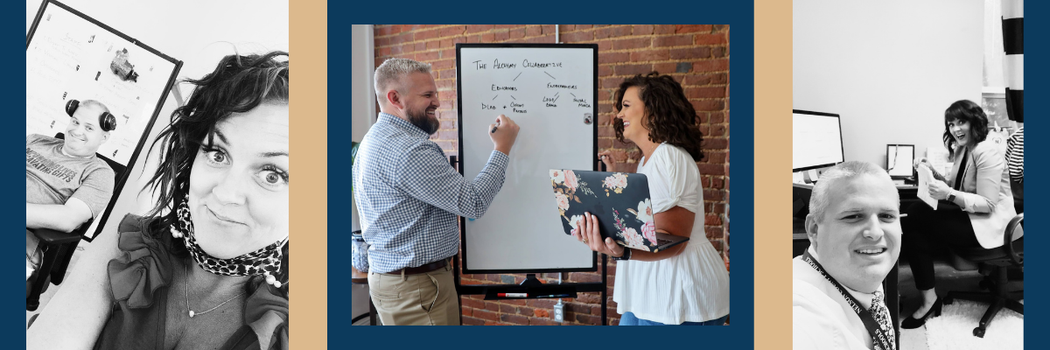
What happens when your culture lives only in people's heads? The three school communications systems every organization needs but rarely builds.
the golden lens

sign up to our newsletter to stay updated!

Contact Us

SHARE THIS

learn how we can help