

why communication will determine the success of kentucky’s local accountability movement


By Brooke Goff December 15, 2025

If Kentucky is going to scale the vibrant learning and local accountability work emerging across the state, it won’t happen on instructional shifts alone. It will hinge on whether people - educators, families, boards, and legislators - understand the work, trust the work, and participate in the work.

That’s a communication challenge.


And it’s one districts can’t afford to treat as an afterthought.

district comms is the missing infrastructure of systems change


At the heart of Kentucky’s transformation is a belief shift: that all students can learn at high levels, and adults hold responsibility for creating the conditions where that can happen. But belief shifts don’t happen through plans or frameworks alone. They happen through stories, shared language, and visible examples of what change looks like.


That’s where communication teams come in.


Districts need systems that can:

  • Translate complex ideas into clear public meaning
  • Show what deeper learning looks and feels like
  • Help families understand why the work matters
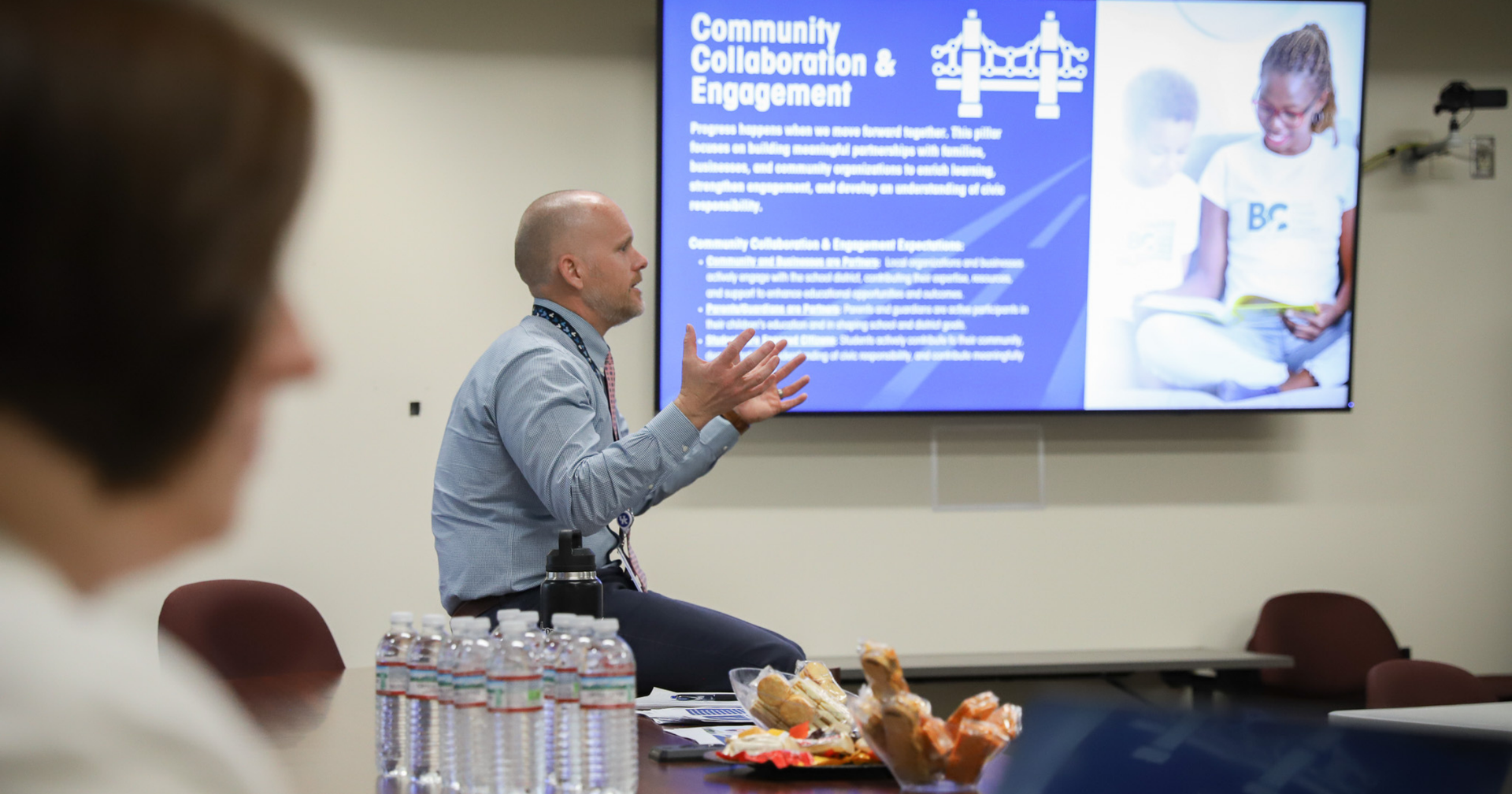
  • Build confidence and reduce resistance by naming the Why, Who, How, and Do behind big changes
  • Create a consistent, human narrative that keeps the community connected to the district’s direction


Without this layer, bold ideas get lost. People fill in the gaps with old assumptions. The work struggles to take root.


We cannot think about communication as a garnish because it’s the connective tissue that makes systems change possible.


kentucky’s movement is built on community, which means it’s built on communication


Kentucky’s work is unique because it’s driven by a groundswell of local leadership supported by state vision. It’s collaborative, human-centered, and deeply community-focused.


And that type of movement doesn’t spread through mandates.


It spreads through meaning.


Districts advancing local accountability have already shown what’s possible when communication is part of the design:


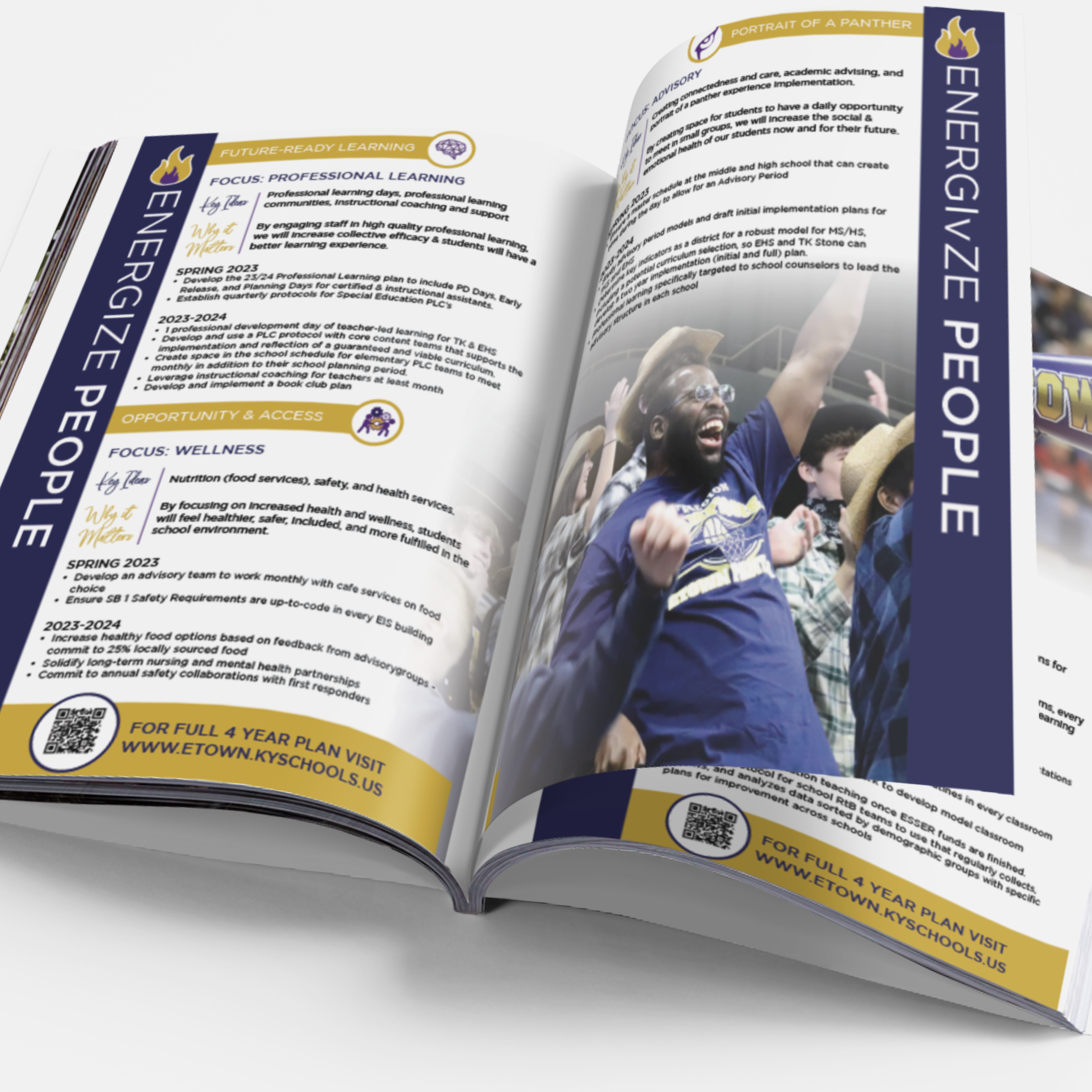
  • Graduate profiles that become living documents, not posters on a wall
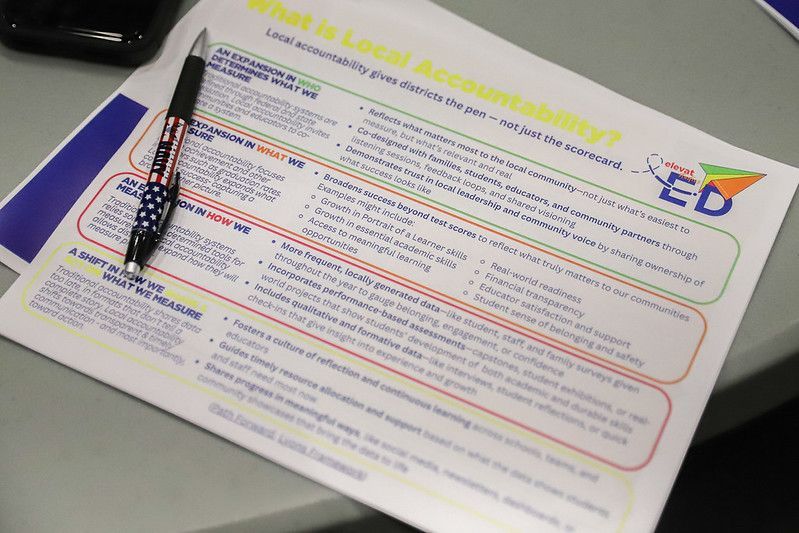
  • Clear, accessible explanations of instructional shifts
  • Stories, photos, and videos that bring vibrant learning to life
  • Transparent reporting tools tied to what the community says matters
  • Opportunities for families and partners to help define success


These aren’t marketing tasks.


They are trust-building actions that help communities see themselves in the work and advocate for it.


When communication is strong, people feel connected, hopeful, and invested.


When it’s missing, even the best instructional work can feel confusing or distant.


leaders can’t carry this alone. they need a communication partner


One striking realization from recent conversations with state leaders is that many didn’t fully appreciate how much communication labor has already powered this movement.


The photos.
The graphics.
The slide decks.
The messaging.
The websites.
The district stories that help the field see itself.


All of it has helped Kentucky’s work feel coherent, inspiring, and possible.


But districts shouldn’t have to build that kind of communication muscle on their own.


And leaders shouldn’t be expected to shoulder that work on top of everything else.


They need partners who can:


  • Build communication systems aligned to learner profiles and local accountability
  • Make learning visible in real, human ways
  • Shape clear, consistent messaging that builds understanding and momentum
  • Help navigate resistance with transparency and trust
  • Tell the ongoing story of improvement in ways that honor community voice


And they need a partner who understands both sides of the work: the instructional vision AND the communication strategy. That intersection is rare, but it’s exactly where this movement lives.


If Kentucky succeeds where others couldn’t, comms teams will be a big part of why.


connect with us to build the communication systems this work deserves

If your district or organization is advancing vibrant learning, local accountability, or deeper community engagement, we can help you build the communication infrastructure that makes the work visible, trusted, and sustainable.

read our most recent posts

By Brooke Goff July 21, 2026
Most principals are watching local accountability happen from the hallway. You don't have to wait for an invitation. There is a teacher in a school you probably know. Maybe you have someone like her on your team right now. She runs the PLCs. She sits in on planning sessions across grade levels. She knows which classrooms are doing cross-curricular vibrant learning work this quarter, and she knows which teachers need extra support to pull it off. When something remarkable happens in a student's learning, she finds out. She takes the photos. She writes the caption. She is the reason the school's story gets told at all. And she is one person. When local accountability arrives at your building (and it is arriving) it is going to ask for documented vibrant learning evidence, a Portrait of a Learner that lives somewhere public, data that shows your community what your school actually stands for. And if your answer to any of those requests runs through one person's head, one person's phone camera, one person's memory of what happened in third period on a random Tuesday in October, you have a fragility problem. Not a people problem. A systems problem. And it is fixable, but only if you start now, before the district finishes building the dashboard you will eventually be feeding. Here is what I want principals to know before anything else: you are not behind. You are not failing. The local accountability conversation in Kentucky has been happening almost entirely at the district level, and the assumption buried inside a lot of that work is that principals are naturally in the loop. That superintendents are passing information down. That buildings are ready. Most of them are not. And that is not the principal's fault.  What is within a principal's control right now is whether the work already happening in their building gets captured in a way that will matter later. Not a new initiative. Not a new platform. Not a new committee. Three practices, intentionally done, that most strong principals are already doing accidentally.
By Brooke Goff July 7, 2026
We didn't raise our rates. A client assumed we had. Four systems that explain what changed -- and what AI made possible that wasn't possible before.
By Brooke Goff June 22, 2026
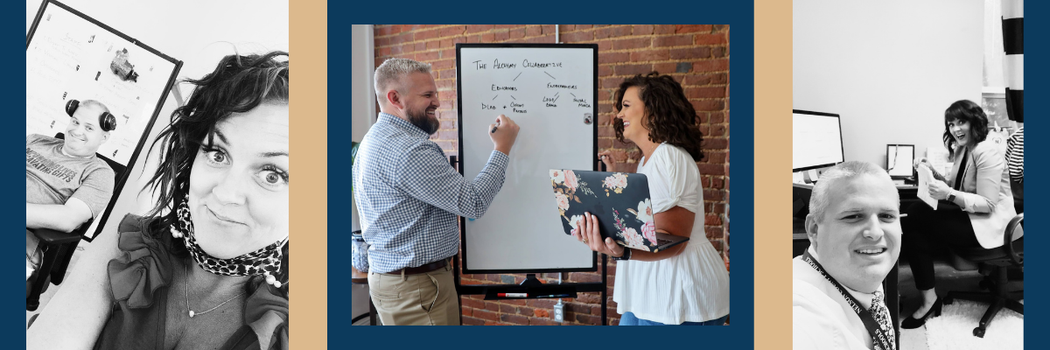
What happens when your culture lives only in people's heads? The three school communications systems every organization needs but rarely builds.
the golden lens

sign up to our newsletter to stay updated!

Contact Us

SHARE THIS

learn how we can help