
when students create for a real audience, everything shifts


By Brooke Goff December 9, 2025

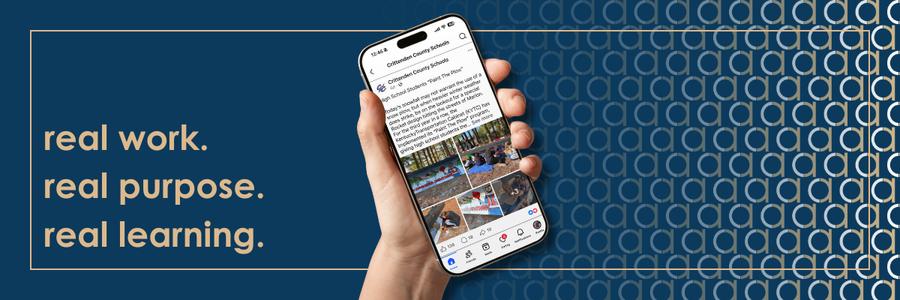
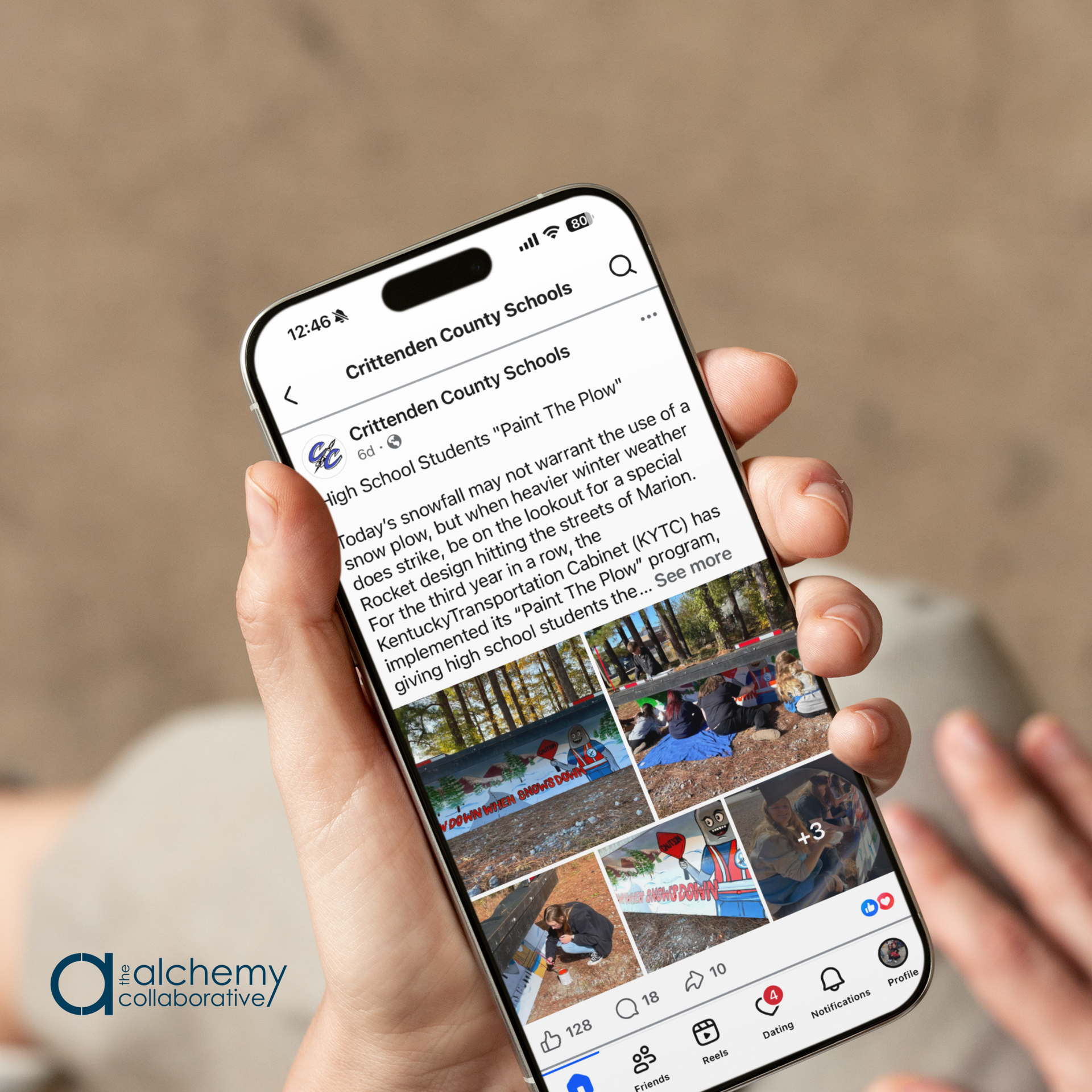
Last week, during one of my routine “Ms. Kravitz of Kentucky school districts” scrolls through Facebook (listen… some people collect stamps; I collect district updates), I spotted a post from Crittenden County that stopped me cold.


A painted snowplow.


By high school students.


With a winter-driving safety message, their whole community will see.


I’d never heard of the Paint the Plow program before and considering how quickly snow days can turn into the Olympics of public opinion (“Too early!” “Too late!” “My driveway is fine!”), this felt like the most refreshing, joyful angle I’d seen in a while.


Instead of debating closures, these students are shaping the winter conversation with art, clarity, and a message that actually helps.


I immediately took a screenshot and sent it to our team. Because this is what vibrant, authentic learning looks like.


why this tiny project matters more than it looks


Snow days are one of those topics that can get… tender. District leaders and communications directors know this well: one icy morning can unleash 300 amateur meteorologists in the comments section.


But Paint the Plow flips the script. Instead of reacting to winter weather, students get to lead the messaging: creatively, collaboratively, and for a real audience.


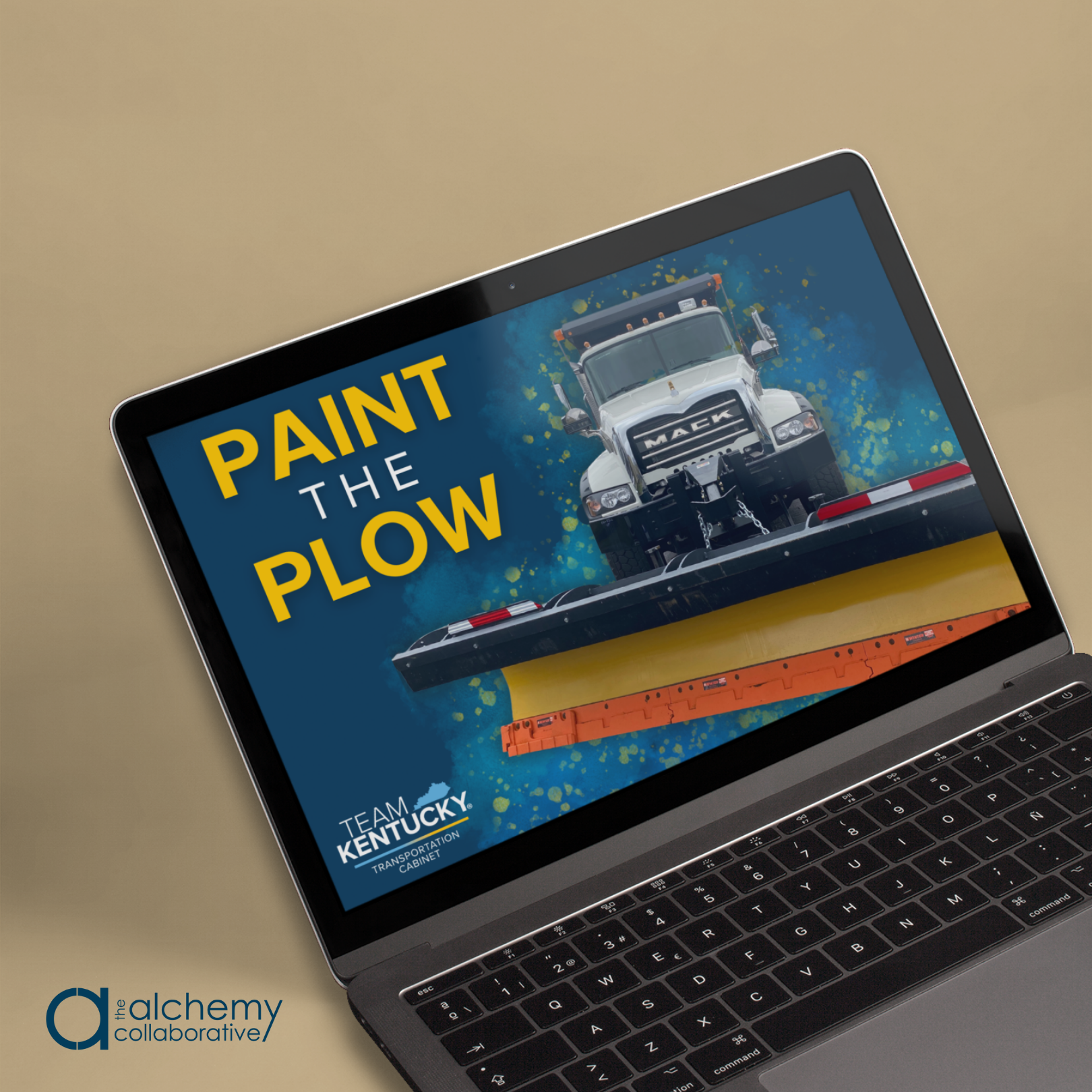
According to KYTC guidelines, high schoolers submit a design, paint a full 12-by-4-foot blade themselves, and focus on winter-driving safety messages that will travel their community all season long. 


It’s communications education disguised as art, and it turns a tense annual conversation into something hopeful, student-driven, and genuinely helpful.


what crittenden county showed us


In Crittenden County, art teacher Elizabeth Rodriguez guided both Art I and Advanced Art students (plus her brand-new National Arts Honor Society chapter) through the full process — from early-September drafts to the moment a KYTC dump truck delivered the actual plow blade to campus.


The final design?


A snowy Rocket scene with the student-selected slogan:
“Slow Down When Snow’s Down.”

It’s clever. It’s clear. And it’s community service disguised as creativity.


More than 100 plows across Kentucky have now been transformed by students — each one a rolling reminder of school pride and winter safety. And when that CCHS plow rolls through Marion this season, students will see their impact in motion. Families will notice student skill. Drivers will get an important nudge to slow down.


All from one art room. One project. One real audience.


what this teaches us about learning, communication, and audience


These are the moments we often forget to name: the ones where students light up because what they made is real.


When students create for a real audience, everything shifts.


  • They think more critically about message, purpose, and audience.
  • They collaborate with more joy and more ownership.
  • They feel the weight — and privilege — of contributing to community life.
  • They learn communication principles without ever opening a rubric.


This is vibrant learning: rooted in relevance, storytelling, and impact.


And for districts? It’s a simple reminder that communication doesn’t only belong to adults.


Sometimes the clearest public-safety message of the season comes from a high school art room with enamel paint, a deadline, and a plow blade parked outside.


want more stories like this from kentucky schools?


Join us inside The Golden Lens for weekly insights from the field.


read our most recent posts

By Brooke Goff July 21, 2026
Most principals are watching local accountability happen from the hallway. You don't have to wait for an invitation. There is a teacher in a school you probably know. Maybe you have someone like her on your team right now. She runs the PLCs. She sits in on planning sessions across grade levels. She knows which classrooms are doing cross-curricular vibrant learning work this quarter, and she knows which teachers need extra support to pull it off. When something remarkable happens in a student's learning, she finds out. She takes the photos. She writes the caption. She is the reason the school's story gets told at all. And she is one person. When local accountability arrives at your building (and it is arriving) it is going to ask for documented vibrant learning evidence, a Portrait of a Learner that lives somewhere public, data that shows your community what your school actually stands for. And if your answer to any of those requests runs through one person's head, one person's phone camera, one person's memory of what happened in third period on a random Tuesday in October, you have a fragility problem. Not a people problem. A systems problem. And it is fixable, but only if you start now, before the district finishes building the dashboard you will eventually be feeding. Here is what I want principals to know before anything else: you are not behind. You are not failing. The local accountability conversation in Kentucky has been happening almost entirely at the district level, and the assumption buried inside a lot of that work is that principals are naturally in the loop. That superintendents are passing information down. That buildings are ready. Most of them are not. And that is not the principal's fault.  What is within a principal's control right now is whether the work already happening in their building gets captured in a way that will matter later. Not a new initiative. Not a new platform. Not a new committee. Three practices, intentionally done, that most strong principals are already doing accidentally.
By Brooke Goff July 7, 2026
We didn't raise our rates. A client assumed we had. Four systems that explain what changed -- and what AI made possible that wasn't possible before.
By Brooke Goff June 22, 2026
What happens when your culture lives only in people's heads? The three school communications systems every organization needs but rarely builds.
the golden lens

sign up to our newsletter to stay updated!

Contact Us

SHARE THIS

learn how we can help