when learners lead the story: revisiting dixie’s student-created profile of a learner
November 4, 2025

when learners lead the story: revisiting dixie elementary’s student-created profile of a learner

Before “student voice” became an education buzzword, Dixie Elementary in Fayette County, Kentucky, was already living it.

Years ago, when Dr. Carmen Coleman and the team at Elevated Studios visited Dixie Elementary School in Fayette County Public Schools to capture their work on a Profile of a Learner, something remarkable was happening: students were doing a lot more than just “consulting”...they were leading.


Now, years later, the principal who guided that work is leading RISE STEM Academy, one of Alchemy’s current partners. And the lessons from that day (about listening, language, and shared ownership) still echo through every story we tell about what it means to communicate well in schools.


from representation to ownership

When the Dixie team began designing their learner profile, they started where most schools do: in a conference room full of adults. But one question from the session changed everything:

“In every school, who’s actually coming up with the list of skills that matter most?”


When the teachers admitted, “Us - the grownups,” the process turned on its head.


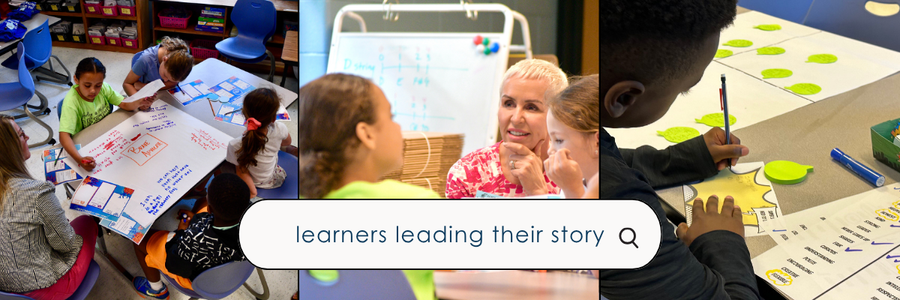
Instead of designing for students, Dixie designed with them. The team invited students to define the five to seven skills they believed every “Dixie Dolphin” should have. They weren’t token members of a committee...they WERE the committee.


In Alchemy language, this is what true communication looks like: moving from representation to ownership, where people no longer need translation to feel seen in the story.


the power of plain language

In the video, one teacher remembers how the students reacted when they reviewed learner profiles from other schools:

“They kept saying, ‘We don’t understand this.’ It was written in adult language.”


That moment was pivotal. The students wanted more than just a say in the content. They wanted a say in the language. They asked for shorter sentences, simpler words, and fewer bullet points. “Big scary words,” one student called them, “don’t mean much if nobody understands them.”

That single piece of feedback carried an entire communication lesson: clarity is not simplification; it’s accessibility.


When we write, speak, or design for school communities, plain language doesn’t lower expectations: it raises belonging.


As we shared in School Branding Done Right, a district’s identity comes alive not in the vision statement on the wall but in the everyday words people actually use. Dixie’s students understood that instinctively.


designing systems that listen back


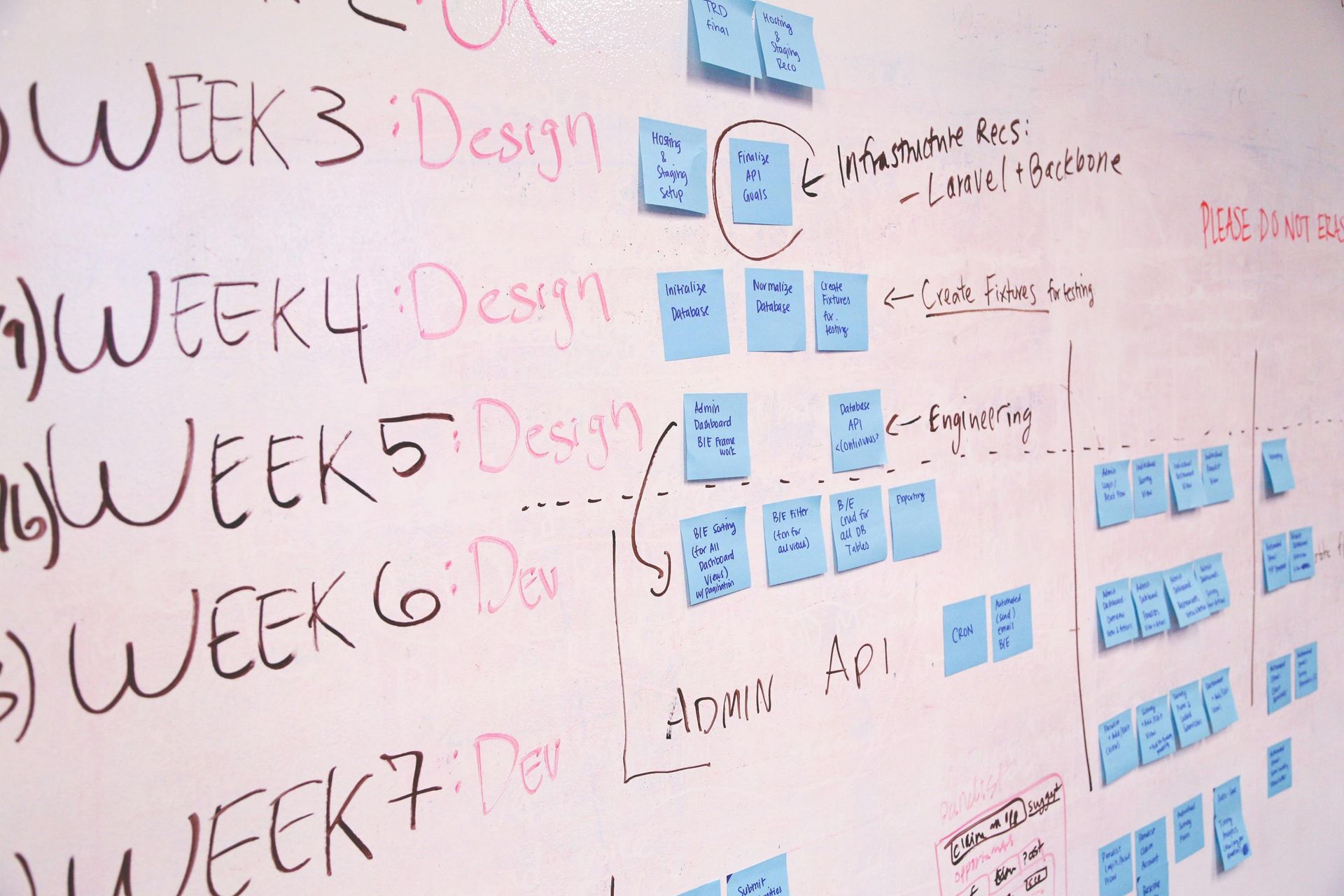
The process wasn’t quick. It involved sticky notes, hallway displays, prototypes, and revisions. At each step, the teachers brought back new drafts and asked, “What do you think?”


“It was unique to see the students struggle and wrestle with the language,” Dr. Carmen Coleman reflected. “They’d give feedback, we’d respond, and then they’d discuss why. Through this whole process, students were having the deepest impact on the profile.”


This was communication as system design: iterative, transparent, and responsive.


At Alchemy, we often remind leaders: feedback loops are not one-time surveys. They’re habits. They require structure, patience, and a willingness to circle back. Dixie modeled that beautifully: showing that schools can build systems that don’t just send messages out but listen back in.


branding that begins with belonging


When the final Profile of a Learner came together, it didn’t look like a marketing piece. It looked like Dixie.


The students had chosen a superhero theme, connecting each skill to a “superpower.” They gave it color, shape, and voice which was a language they could claim as their own.


What they created was more than a document or a nicely branded poster. It was an act of belonging.


“It’s so rewarding and eye-opening when you allow an opportunity like this to happen,” one teacher said. “You see how much students really do know and how much they can contribute to everyday success.”


That line has stayed with us. Because communication, when done well, doesn’t just inform people; it involves them. It makes them authors of the story, not just readers of it.


And that’s the quiet brilliance of what happened at Dixie. A project that began as a “learner profile” became a blueprint for collaborative communication: one where trust, clarity, and creativity could coexist.


“You see how much students really do know and how much they can contribute to everyday success.”


what this means for education communication today

Years later, those same principles are shaping the work of RISE STEM Academy and many other schools we partner with.

Whether it’s a learner profile, a brand launch, or a district-wide strategic plan, the same truth applies: communication that lasts must begin in conversation.


When we invite people (especially students) to help define the story, we don’t just strengthen the message. We strengthen the system.


see how communication can deepen belonging in your district


Curious how learner profiles and brand storytelling can work together?


Explore our work at Alchemy, where communication becomes the foundation for culture, clarity, and connection.


Ready to bring your own portrait to life?


Our
Portrait Translation Toolkit is designed to help districts move from vision to visibility: turning your Profile of a Learner into a story your community can see, hear, and share.


See the full case study in action at elevatedstudios.org.


share:

we're just getting started. explore our other blogs.

By Brooke Goff June 22, 2026
What happens when your culture lives only in people's heads? The three school communications systems every organization needs but rarely builds.
By Brooke Goff June 12, 2026
Most leadership programs produce certificates. Kentucky Leadership Rising is producing superintendents. Here's what genuine pipeline investment actually looks like.
By Brooke Goff May 26, 2026
Clark County built student voice infrastructure while most districts wait for buy-in. Here are the three moves that made it structural, not performative.
By Brooke Goff May 26, 2026
Districts are building accountability systems with fragmented teams. Here's what happens when communications directors aren't at the table from day one.
By Brooke Goff May 26, 2026
HB 257 gives districts funding for dashboards. Most are skipping six foundational questions that determine whether those dashboards will actually work.
By Brooke Goff May 26, 2026
Carroll County spent three years building identity, strategy, and story infrastructure before launching their dashboard. Here's why that order matters.
By Brooke Goff April 9, 2026
Two amendments were withdrawn because superintendents built community trust before the session. Here's what consistent communication infrastructure actually requires.
By Brooke Goff April 2, 2026
Small Kentucky districts don't have a story problem — they have a systems problem. Here's how ParentSquare's new tagging feature changes local accountability dashboards forever.
Show More