community-based accountability is already happening in kentucky
By Brooke Goff • December 15, 2025

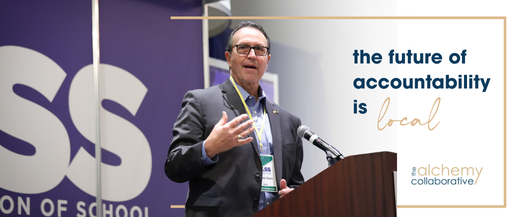
If the morning session at KASS gave us the language for why Kentucky is poised for a new era of vibrant learning, the afternoon grounded it.
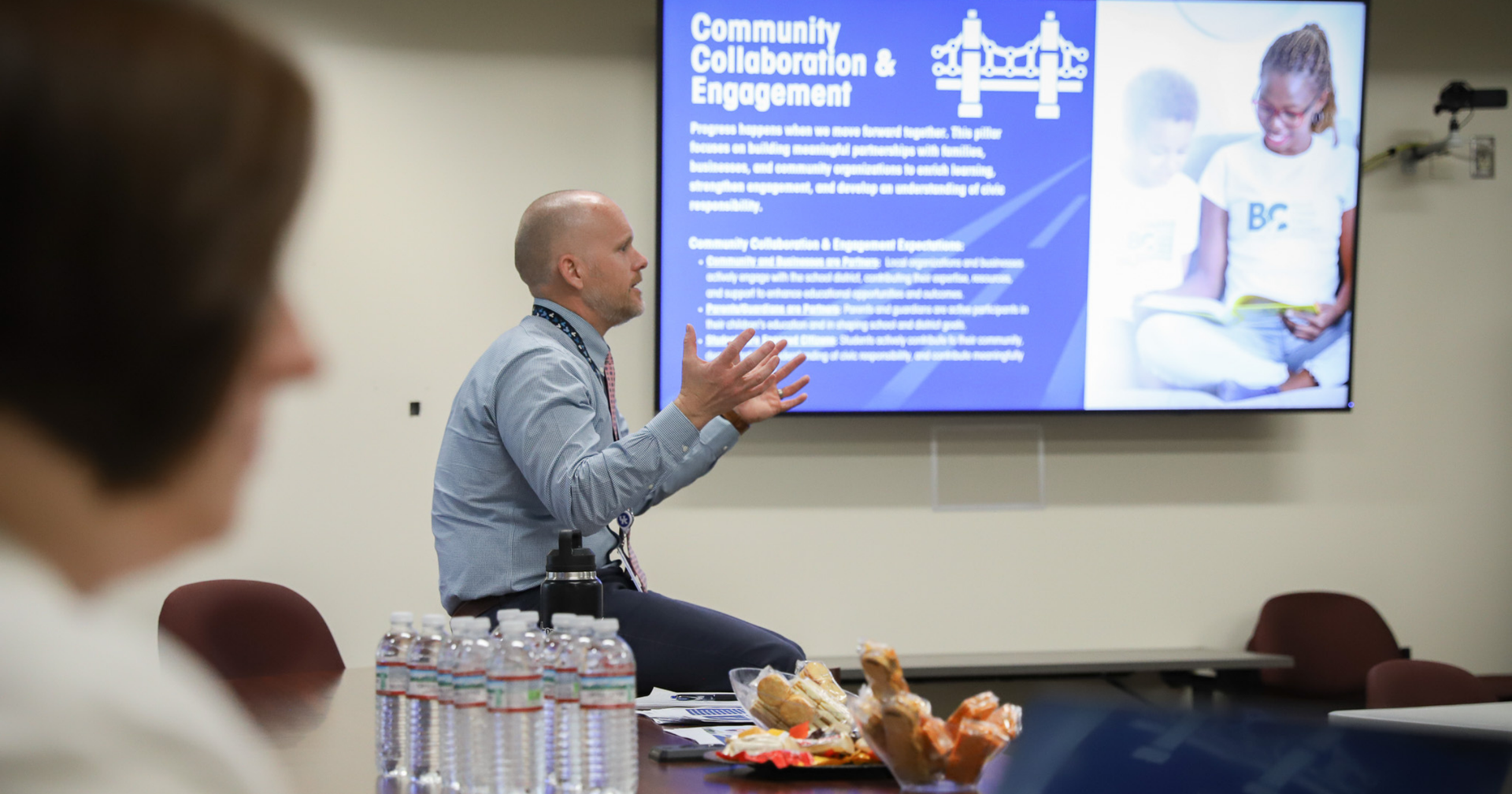
After the keynote’s call to rethink how we define success, three districts - Butler, Rowan, and Woodford - showed what it looks like when local accountability becomes lived practice and not a distant idea.
These stories weren’t theoretical. They were real, unfolding, community-rooted examples of what’s possible when districts move from “talking about change” to actually building it.
how districts turn big ideas into lived practice
Statewide conversations often stay in the realm of philosophy: shared vision, community voice, reciprocal responsibility. But the field is where we see whether those ideas grow legs.
Butler, Rowan, and Woodford each illustrated a different part of the journey and together, they formed a clear pattern: local accountability doesn’t arrive fully formed. It’s shaped, tested, communicated, and refined in real time, with real people.
butler county: clarity creates momentum
Butler County’s story began with a simple, powerful move: naming what their community actually expects from its schools.
Their list wasn’t technical. It was deeply human. Student learning that prepares kids for life. Safety and well-being. Operational stewardship. Partnerships with families and the wider community. Opportunities that help students become well-rounded and future-ready.
They didn’t guess at these expectations; they surfaced them with their community. And once the expectations were articulated, everything else (strategy, communication, priorities) had a place to anchor.
Local accountability, in Butler’s hands, isn’t a compliance task. It’s a social contract. When a district says, “Here’s what our community counts on us for,” they’re also saying, “And here’s how we’ll show you our progress.”
Clarity builds trust. Trust builds momentum.
rowan county: culture shifts take time, trust, and rhythm
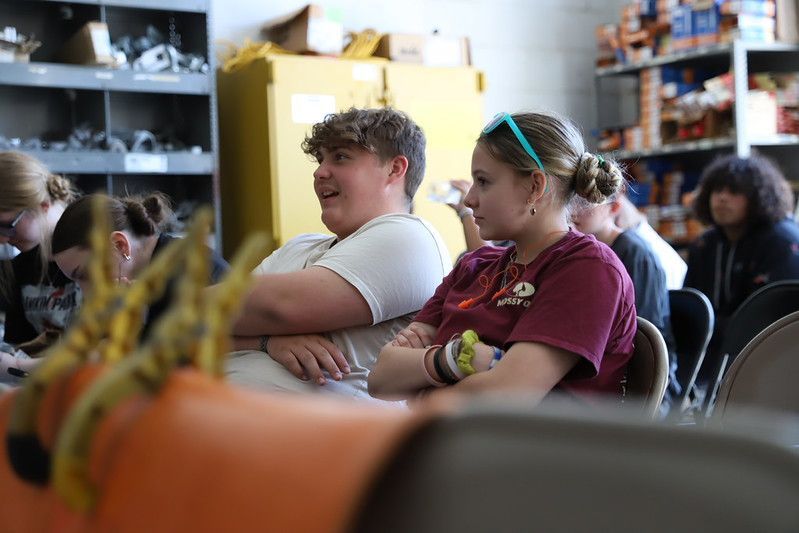
Rowan County’s journey is a reminder that systems don’t transform overnight. Their work has unfolded across years — through deeper learning structures, teacher and student defenses, and intentional alignment across leadership, classrooms, and community partners.
But what stands out most is how Rowan has woven communication into every phase. Community lunch-and-learns. Surveys that ask families, students, and staff what “true success” looks like.
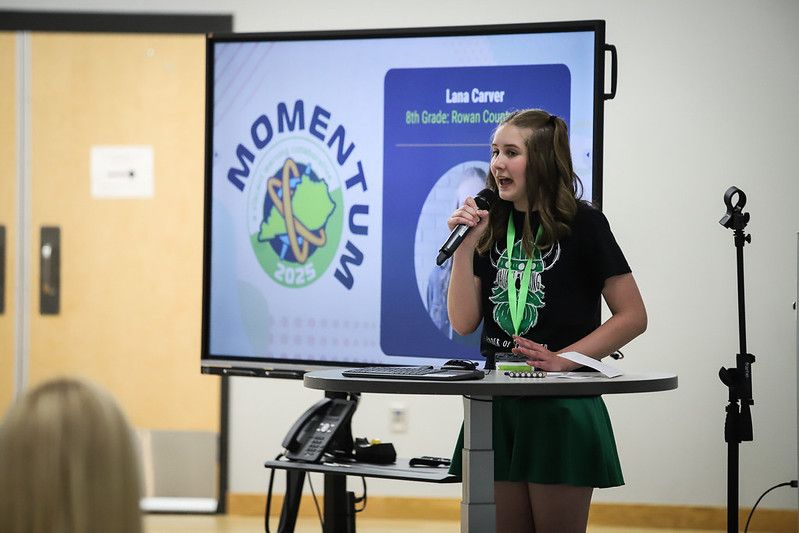
Opportunities for teachers and students to publicly share evidence of learning. Each step signaled a district choosing transparency over convenience, and collaboration over assumption.
Their approach shows that local accountability grows strongest when communities see the evolution — not just the end product. Rowan isn’t rushing to unveil a perfect framework. They’re building a shared understanding of purpose, piece by piece.
In a moment when many districts fear the messiness of change, Rowan embraces it — because culture shifts only stick when people are brought along with honesty and intention.

woodford county: communication makes the work visible
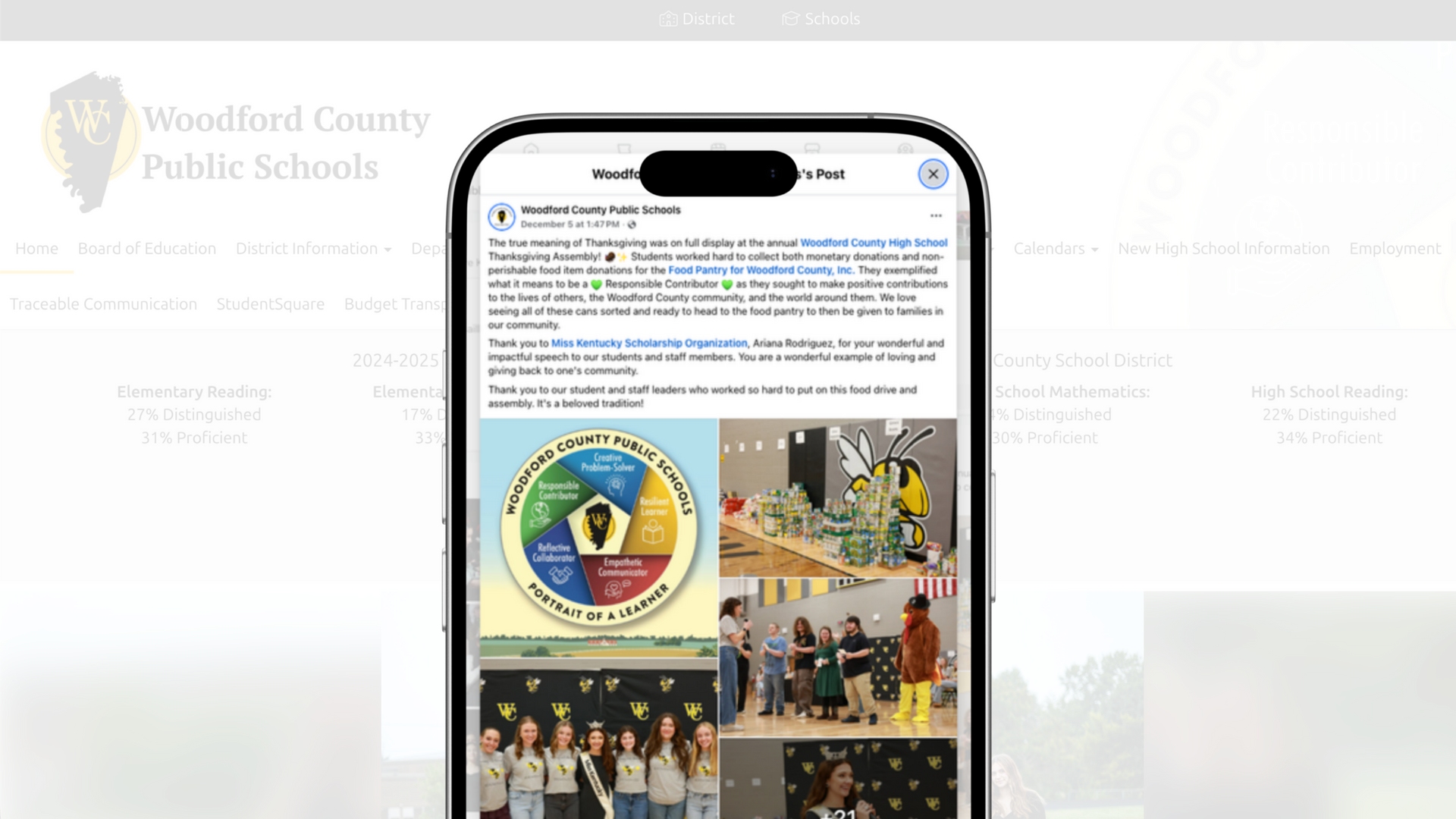
If Butler reminds us to begin with clarity and Rowan reminds us to honor the long arc of culture, Woodford shows us the power of disciplined, intentional communication.
Their advice was refreshingly practical:
- Plan a rollout down to the minute.
- Share, then reshare... because people need repetition to absorb anything new.
- Use the Portrait of a Learner lens to spot stories everywhere.
- Make the work visible through consistent branding and daily storytelling.
Woodford treats communication not as a “now and then” task but as system infrastructure. They understand that communities don’t believe in the work because it’s happening. They believe in it because they can see it happening.
And when people see the work, they start to support it, ask better questions, and feel like part of something bigger.
That’s the heart of local accountability: a community that recognizes its role in defining and championing what matters.
Every district in Kentucky is somewhere on this journey.
Maybe you’re defining community expectations. Maybe you’re building deeper learning structures. Maybe you’re ready to make the work more visible.
Wherever you are, the question is the same:
What step will move your community closer to shared ownership of what success really means?
read our most recent posts
the golden lens
sign up to our newsletter to stay updated!
Contact Us
thanks for signing up!
oops, there was a sign-up error.
please try again later.
SHARE THIS