
voices that carry: why districts need communicators at the table


By Brooke Goff September 28, 2025

setting the stage in lexington


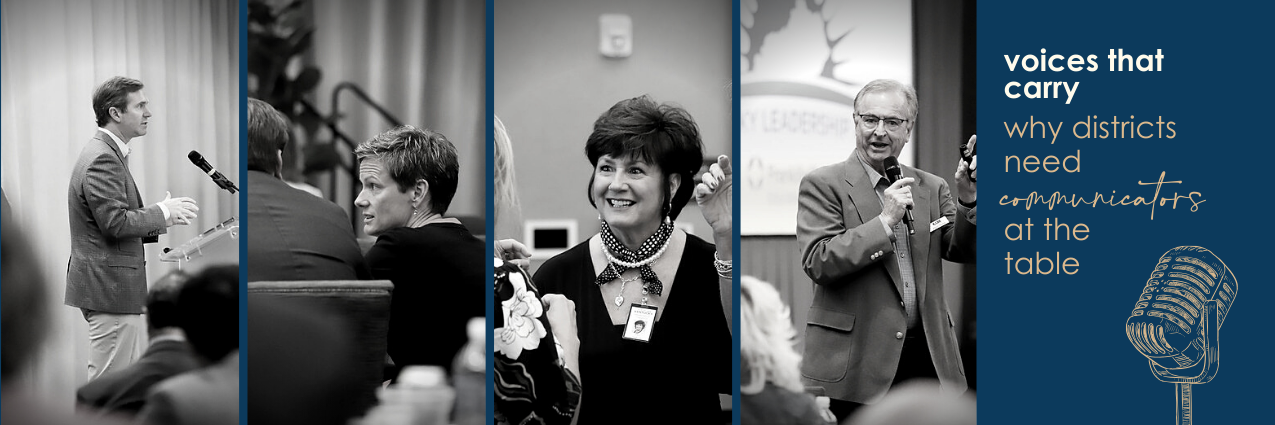
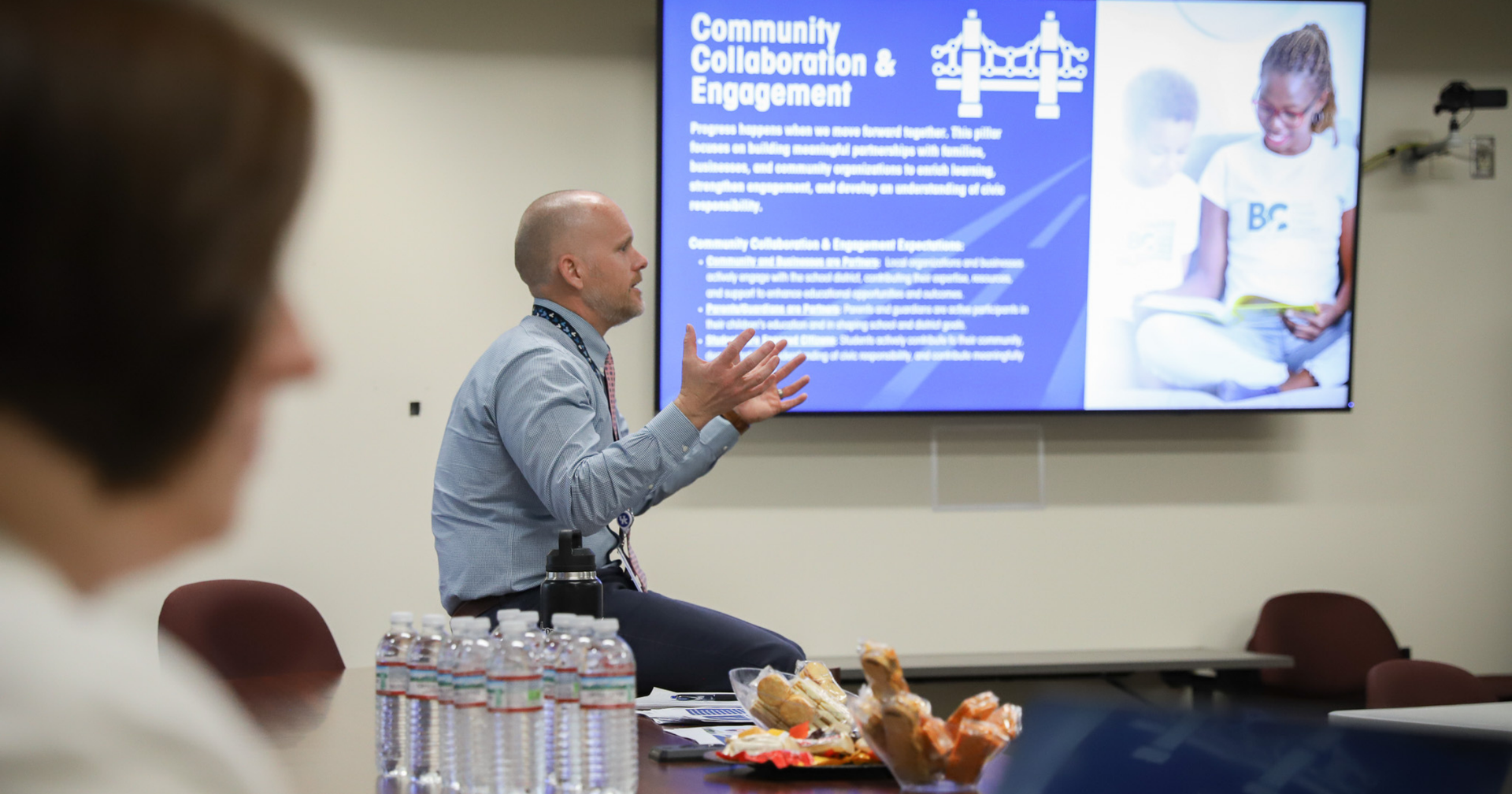
This month, Kentucky’s school leaders gathered in Lexington for the KASS Fall Superintendents Summit. The event carried extra weight because Governor Andy Beshear joined the conversation alongside legislators and state leaders. With the 2026 budget session around the corner, the summit underscored what’s at stake for Kentucky’s schools: accountability, educator workforce, and...funding.


when formulas shape futures

Budget sessions bring numbers, formulas, and projections into the spotlight. SEEK, Kentucky’s Support Education Excellence in Kentucky formula, is one of the best-known examples. It was created after the 1989 Rose decision, designed to ensure equity across districts so that a student’s opportunities wouldn’t depend on local wealth.


SEEK allocates a base amount per student, adjusts it for attendance, and layers in funding for at-risk students, English learners, and students with disabilities. On paper, it is a fairness engine. In reality, it is a system that only works if leaders are able to advocate for its protection and explain its impact.


The truth is, SEEK is just one piece of a much larger puzzle. Transportation dollars, staffing mandates, retirement contributions, and countless other formulas shape how districts can operate. These systems are complex by design, and they often shift with new legislation or economic conditions. For families and communities, the details can feel inaccessible. For district leaders, the challenge is not only to understand them but to make them clear for others.


why communication matters most


That’s why leadership communication matters most in a budget year.


Strong superintendents know the formulas. Exceptional superintendents know how to turn those formulas into stories. When a board member asks why budget projections shifted, when a parent wonders why class sizes are growing, when legislators weigh whether to restore inflation-adjusted adequacy—leaders must be able to connect dots in plain language. Communication is not an afterthought. It is the lever that builds trust and momentum.


At this year’s summit, that theme ran under the surface. Policy priorities like modernizing accountability, strengthening the educator workforce, and securing responsible budget investments require strategy. But strategy without clarity leaves communities in the dark. Leaders who can explain not just what is changing, but why it matters for kids, create alignment at every level.

building the next generation of leaders


This is where programs like KASS’s Step Up initiative come in. Step Up is designed to grow the next generation of superintendents, preparing leaders to step confidently into the role. It does more than train in finance or operations. It emphasizes mentorship, advocacy, and the ability to lead in public. That means equipping future superintendents to not only manage systems but to be the voice of those systems for their communities. In short: Step Up builds leaders who can explain SEEK (and everything like it) in ways that mobilize trust and action.


alchemy’s role in clarity and trust


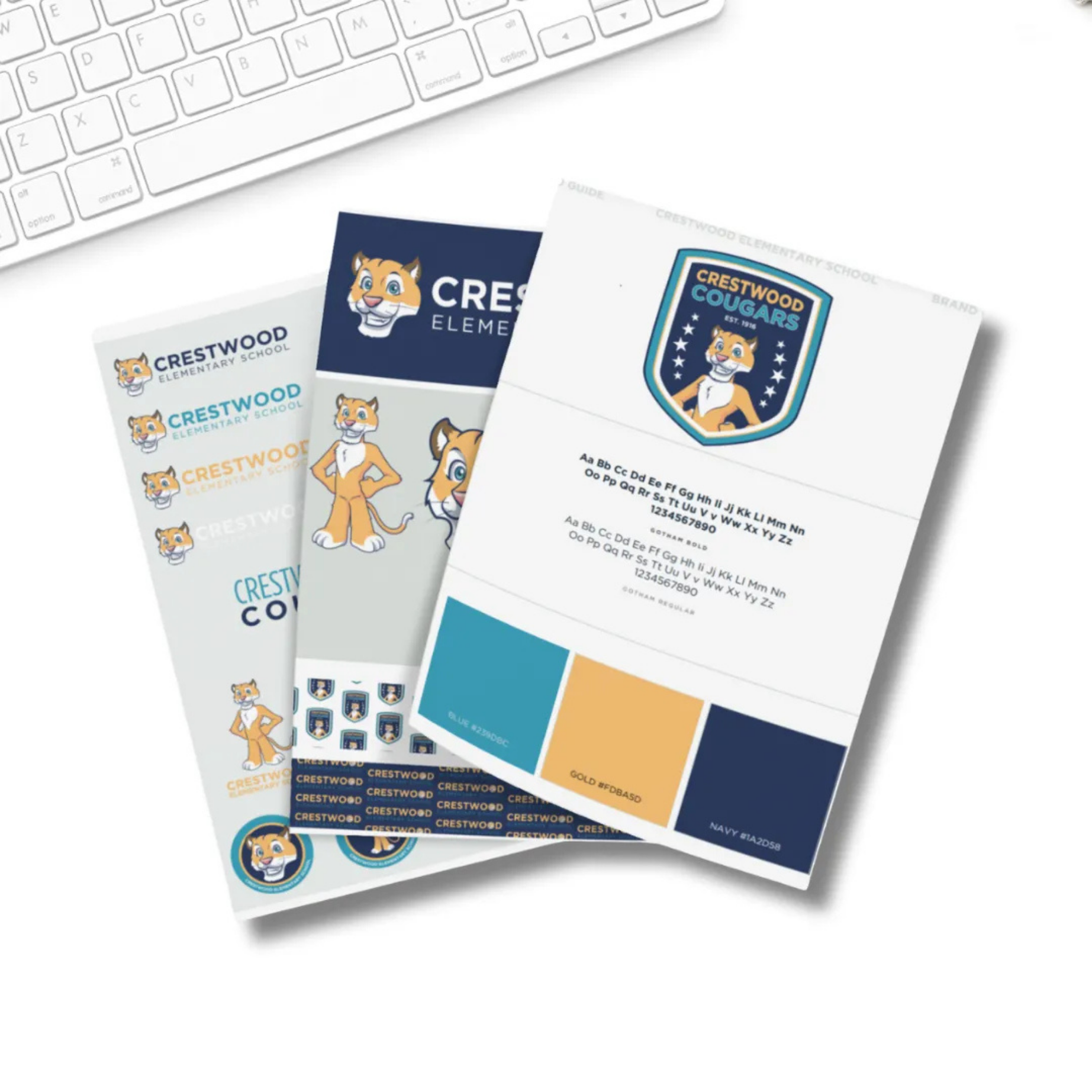
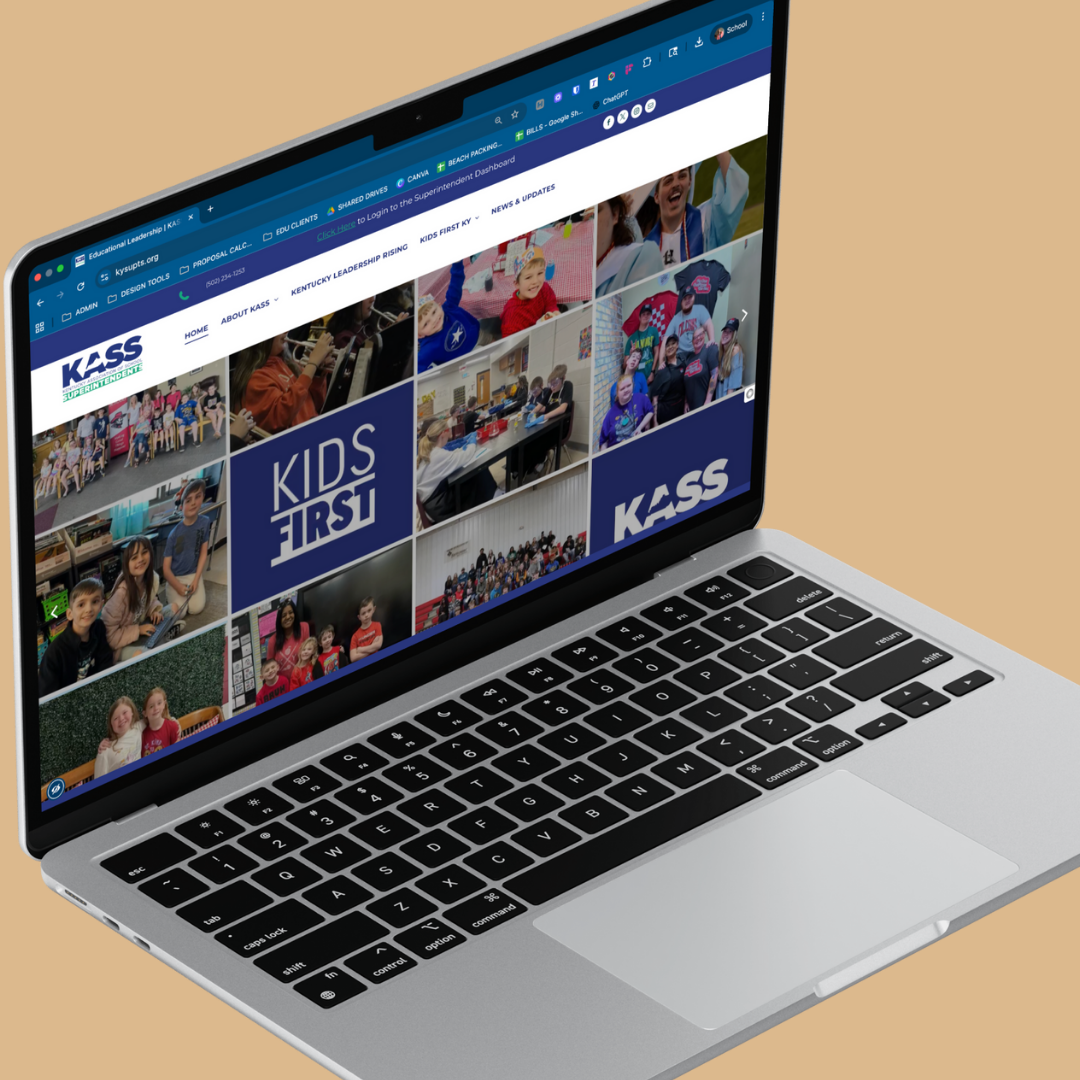
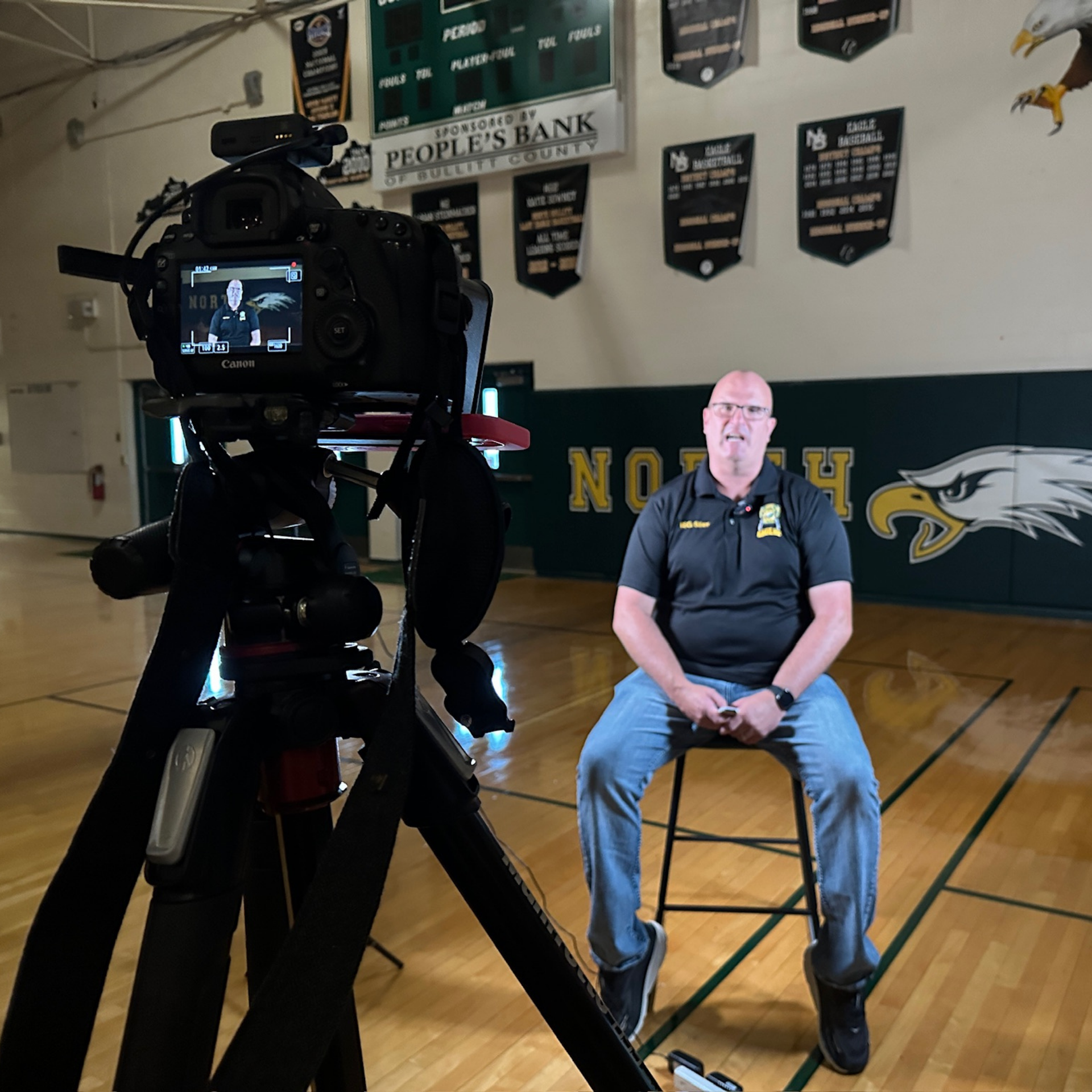
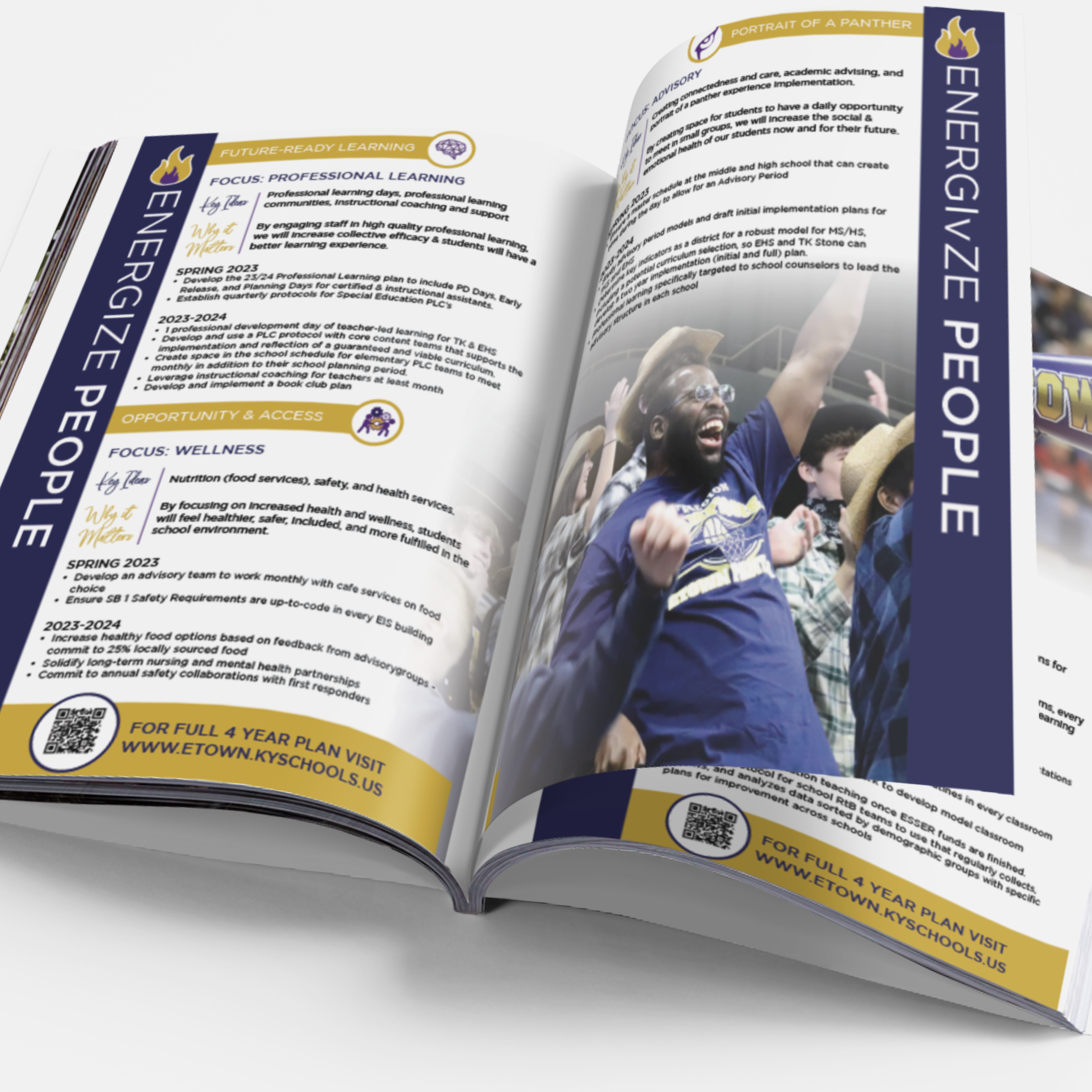
For Alchemy Collaborative, this work feels deeply familiar. Our partnership with KASS extends beyond capturing photos and video at the summit. We exist to help leaders tell their story with clarity. Whether that’s building branded communication systems for districts, designing templates that keep messages consistent, or creating visuals that make complex policies understandable, our role is to strengthen the bridge between policy and people.


Think about the stakes. Since 2022, Kentucky has seen an increase of more than 10,000 at-risk students, 12,000 English learners, and 9,000 students with disabilities. At the same time, funding adequacy has eroded due to inflation, and gaps remain between what was promised and what is delivered. District leaders are tasked with explaining to their staff and communities why this matters, while also making the case to legislators that the SEEK shortfall must be closed. Without communication, those realities stay locked in spreadsheets. With communication, they become a call to action.


leading through clarity


The summit reminded us of this: strong leadership is never just about managing resources. It is about cultivating trust through clear, consistent, and courageous communication. Programs like Step Up ensure that pipeline continues. Partnerships like KASS and Alchemy ensure that leaders don’t face it alone.


As Kentucky heads into a pivotal budget session, our hope is that every superintendent feels equipped to lead with clarity. That means walking into boardrooms with the tools to explain budget shifts, addressing communities with language that makes sense, and stepping into legislative meetings ready to advocate for kids with confidence. The policies will always be complex. But when leaders communicate well, people understand, rally, and move forward together.


the promise ahead


The future of Kentucky’s schools will be shaped in part by funding formulas like SEEK. But it will be secured by the leaders who can take those formulas and make them matter to people. That is the promise of strong communication. That is why leadership development and communication support go hand in hand. And that is the story we are proud to help tell.


read our most recent posts

By Brooke Goff July 21, 2026
Most principals are watching local accountability happen from the hallway. You don't have to wait for an invitation. There is a teacher in a school you probably know. Maybe you have someone like her on your team right now. She runs the PLCs. She sits in on planning sessions across grade levels. She knows which classrooms are doing cross-curricular vibrant learning work this quarter, and she knows which teachers need extra support to pull it off. When something remarkable happens in a student's learning, she finds out. She takes the photos. She writes the caption. She is the reason the school's story gets told at all. And she is one person. When local accountability arrives at your building (and it is arriving) it is going to ask for documented vibrant learning evidence, a Portrait of a Learner that lives somewhere public, data that shows your community what your school actually stands for. And if your answer to any of those requests runs through one person's head, one person's phone camera, one person's memory of what happened in third period on a random Tuesday in October, you have a fragility problem. Not a people problem. A systems problem. And it is fixable, but only if you start now, before the district finishes building the dashboard you will eventually be feeding. Here is what I want principals to know before anything else: you are not behind. You are not failing. The local accountability conversation in Kentucky has been happening almost entirely at the district level, and the assumption buried inside a lot of that work is that principals are naturally in the loop. That superintendents are passing information down. That buildings are ready. Most of them are not. And that is not the principal's fault.  What is within a principal's control right now is whether the work already happening in their building gets captured in a way that will matter later. Not a new initiative. Not a new platform. Not a new committee. Three practices, intentionally done, that most strong principals are already doing accidentally.
By Brooke Goff July 7, 2026
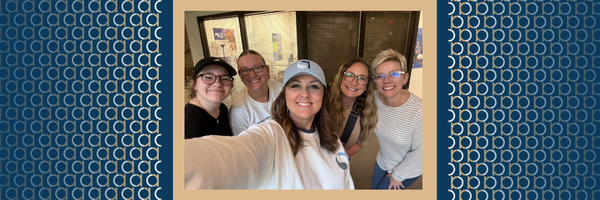
We didn't raise our rates. A client assumed we had. Four systems that explain what changed -- and what AI made possible that wasn't possible before.
By Brooke Goff June 22, 2026
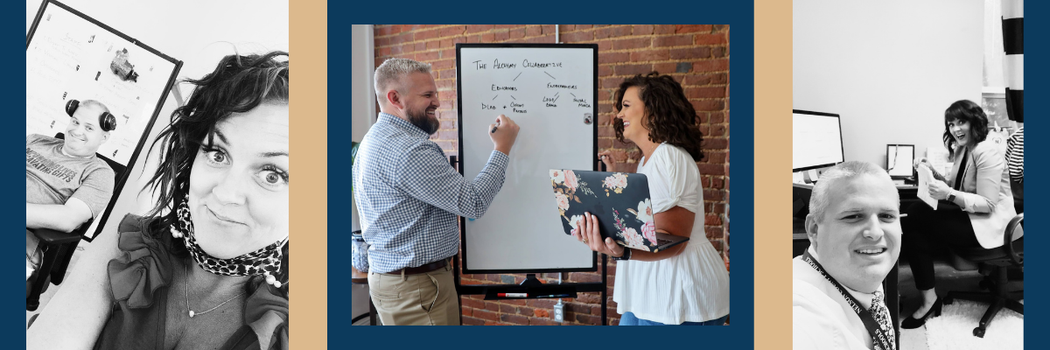
What happens when your culture lives only in people's heads? The three school communications systems every organization needs but rarely builds.
the golden lens

sign up to our newsletter to stay updated!

Contact Us

SHARE THIS

learn how we can help