
the power of a strong logo: why first impressions matter


By Brooke Goff October 8, 2024


what makes a logo powerful?


Think of the last time you saw a great logo...one that felt instantly recognizable, even without words. That’s the power of visual storytelling.


A logo isn’t just a picture; it’s a promise. It tells your audience who you are, what you value, and how you show up in the world.

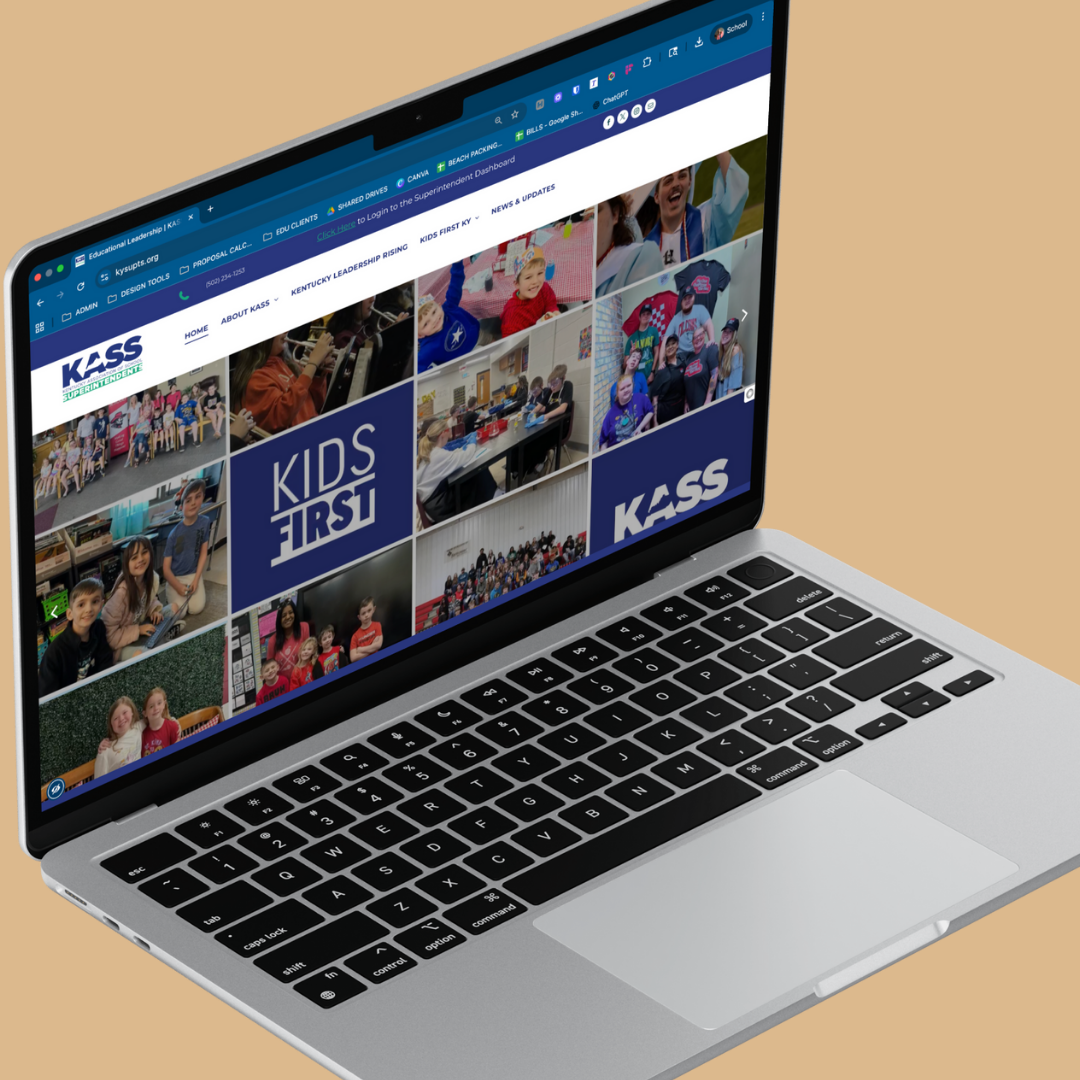
In education, that matters more than ever. Families, staff, and communities interact with your brand every day. The interact on websites, signage, shirts, and even the emails you send. A strong logo creates cohesion and trust. A weak or inconsistent one creates confusion.


Bold truth: a logo doesn’t make your brand strong but it does reveal the strength that’s already there.


what we’ve learned from helping districts rebrand


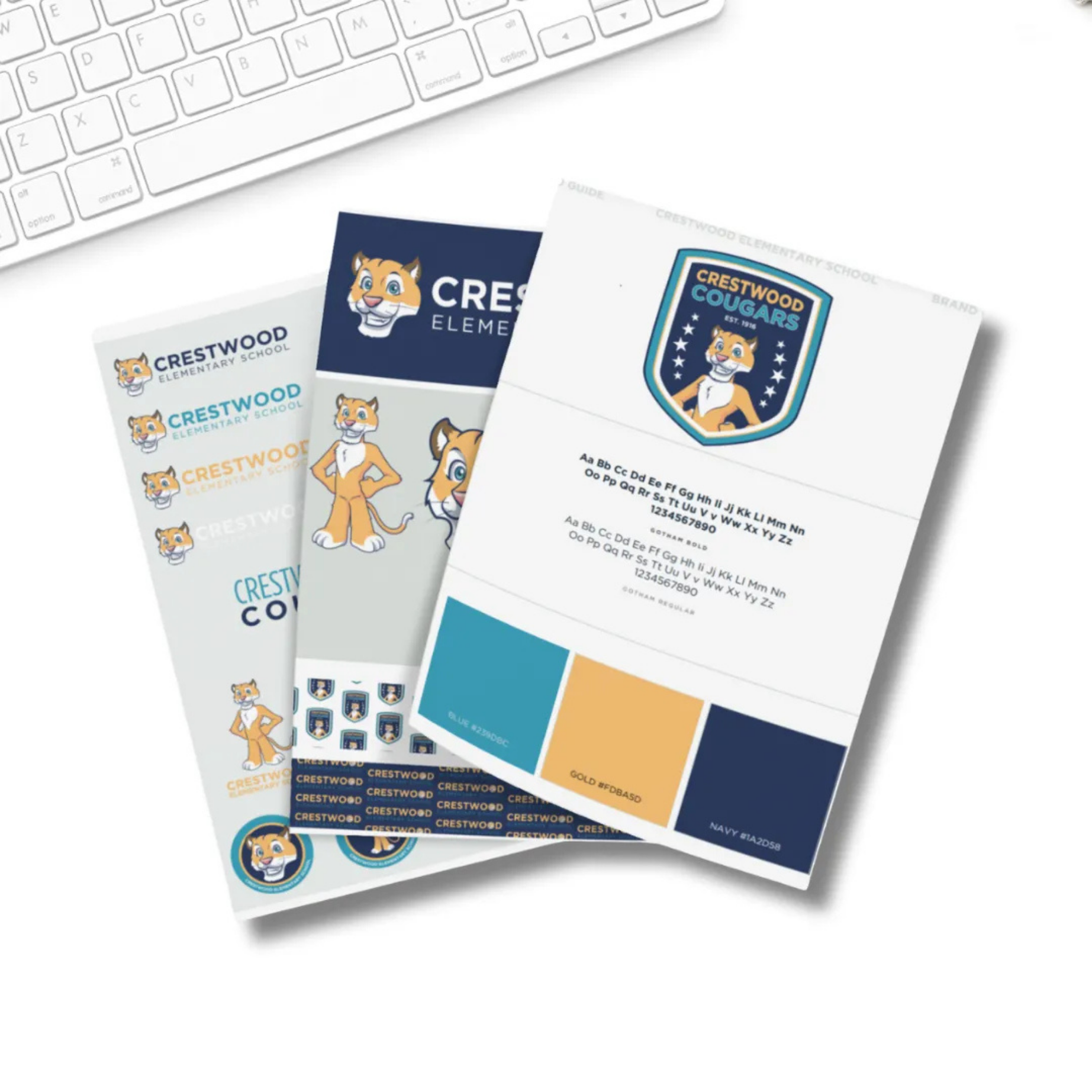
At Alchemy, we’ve helped dozens of districts design and refine logos that tell their story clearly and confidently.


We’ve seen firsthand that strong logos come from strong listening. Before we ever touch a design file, we start with a brand quiz that uncovers the heart of the district — its history, values, and vision for the future.


From there, the design process becomes an act of storytelling:


  • color with purpose: hues that evoke warmth, safety, and pride.
  • shapes with meaning: symbols that feel timeless but fresh.
  • consistency with intention: the same logo across every communication channel, building trust through repetition.

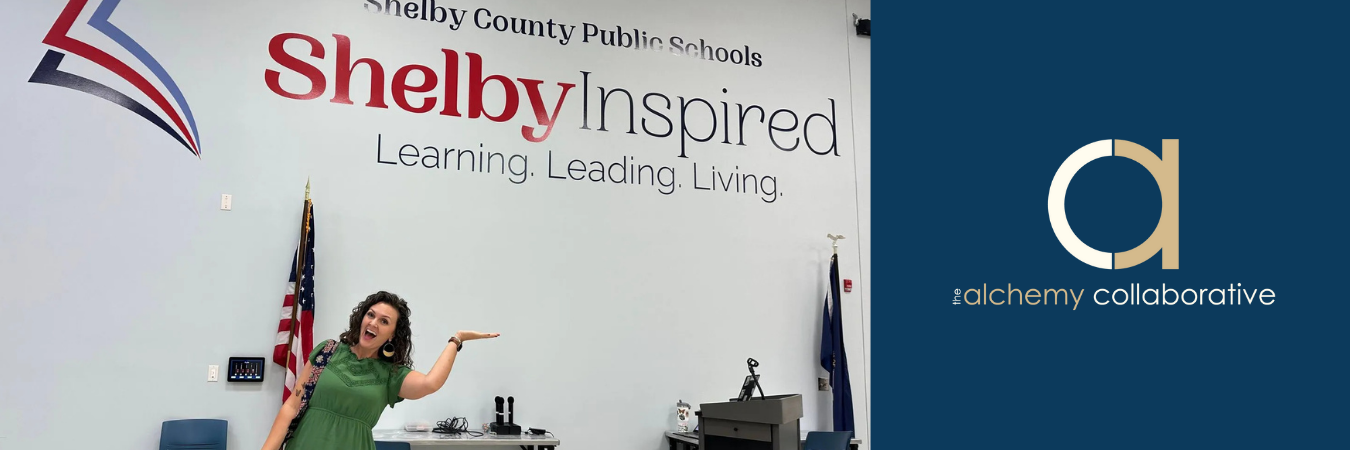
When we worked with Shelby County Public Schools, their new logo didn’t just modernize their look: it unified their voice. Teachers started using branded templates. Families recognized district updates instantly. Staff felt proud to wear their colors. That’s the ripple effect of strong visual identity.


why logos matter beyond design


A logo is often the first handshake your organization offers the world. It’s not about trends — it’s about trust.


When districts align their visual identity with their story, they do more than look good; they communicate stability, leadership, and belonging.

That’s why we treat logos as living systems, not static images. They evolve with your community, but they stay rooted in your mission.


Because when your visual identity is clear, your communication can be confident — and that confidence builds connection.


how to strengthen your district’s logo


If your logo feels outdated or inconsistent, start here:


  1. audit your visuals. Where does your logo appear and does it look the same everywhere?
  2. revisit your story. Does your logo still represent who you are today?
  3. get feedback. Ask staff, students, and families what your logo communicates to them.
  4. partner with experts. Branding isn’t just about creativity; it’s about clarity. A design partner can help translate your values into visuals.


Your logo should make people feel something. It should feel like home to the students you serve, the staff who lead, and the community that supports you.


next step: discover your brand’s foundation


If your district’s ready to build a visual identity that reflects its heart, start with The Foundation — Alchemy’s signature brand development process.
It’s how we turn logos into living stories that lead with purpose, not pixels.


read our most recent posts

By Brooke Goff July 21, 2026
Most principals are watching local accountability happen from the hallway. You don't have to wait for an invitation. There is a teacher in a school you probably know. Maybe you have someone like her on your team right now. She runs the PLCs. She sits in on planning sessions across grade levels. She knows which classrooms are doing cross-curricular vibrant learning work this quarter, and she knows which teachers need extra support to pull it off. When something remarkable happens in a student's learning, she finds out. She takes the photos. She writes the caption. She is the reason the school's story gets told at all. And she is one person. When local accountability arrives at your building (and it is arriving) it is going to ask for documented vibrant learning evidence, a Portrait of a Learner that lives somewhere public, data that shows your community what your school actually stands for. And if your answer to any of those requests runs through one person's head, one person's phone camera, one person's memory of what happened in third period on a random Tuesday in October, you have a fragility problem. Not a people problem. A systems problem. And it is fixable, but only if you start now, before the district finishes building the dashboard you will eventually be feeding. Here is what I want principals to know before anything else: you are not behind. You are not failing. The local accountability conversation in Kentucky has been happening almost entirely at the district level, and the assumption buried inside a lot of that work is that principals are naturally in the loop. That superintendents are passing information down. That buildings are ready. Most of them are not. And that is not the principal's fault.  What is within a principal's control right now is whether the work already happening in their building gets captured in a way that will matter later. Not a new initiative. Not a new platform. Not a new committee. Three practices, intentionally done, that most strong principals are already doing accidentally.
By Brooke Goff July 7, 2026
We didn't raise our rates. A client assumed we had. Four systems that explain what changed -- and what AI made possible that wasn't possible before.

By Brooke Goff June 22, 2026
What happens when your culture lives only in people's heads? The three school communications systems every organization needs but rarely builds.
the golden lens

sign up to our newsletter to stay updated!

Contact Us

SHARE THIS

learn how we can help