
strengthening advocacy through branding in education


By Brooke Goff February 26, 2025

In Kentucky, school districts face an increasing administrative load—paperwork, compliance, and operational hurdles that take valuable time away from educators. House Bill 48, recently highlighted in The Spencer Magnet, aims to reduce these burdens and allow educators to focus on what matters most: students.


At Alchemy Collaborative, we see this bill as more than just legislation—it’s a reminder of the power of branding in advocacy. Districts that establish a clear, consistent, and trusted brand are not just creating a strong identity; they’re setting the stage for effective communication and policy influence.


branding fuels advocacy


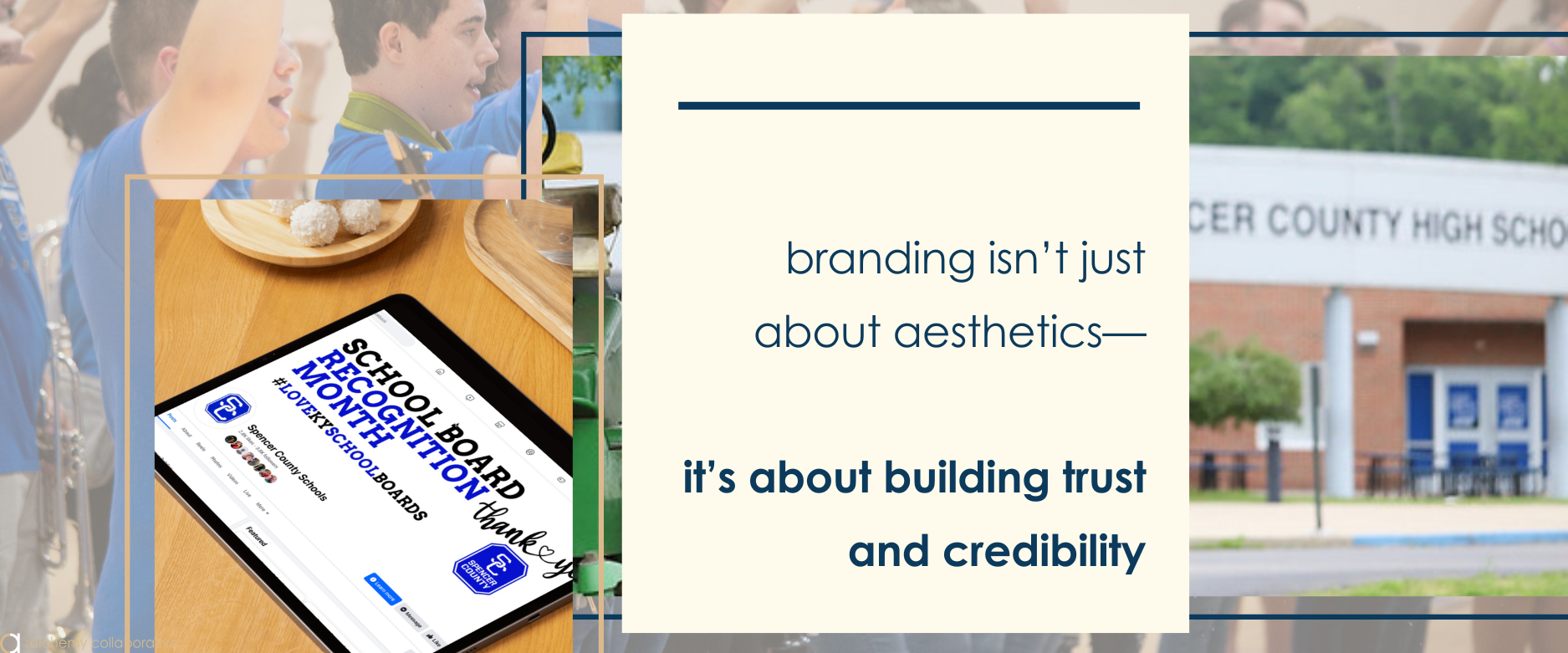
Branding isn’t just about aesthetics—it’s about building trust and credibility. When a district’s messaging is clear and compelling, it strengthens its ability to advocate for policy changes that benefit schools.


Take Spencer County Schools, for example. We worked with them to rebrand their district, creating a polished, professional identity that aligns with their values. A strong brand allows districts like Spencer County to connect with their community and advocate more effectively at the state level. (Want to learn more about why branding matters?(Check out this blog post on school branding.)


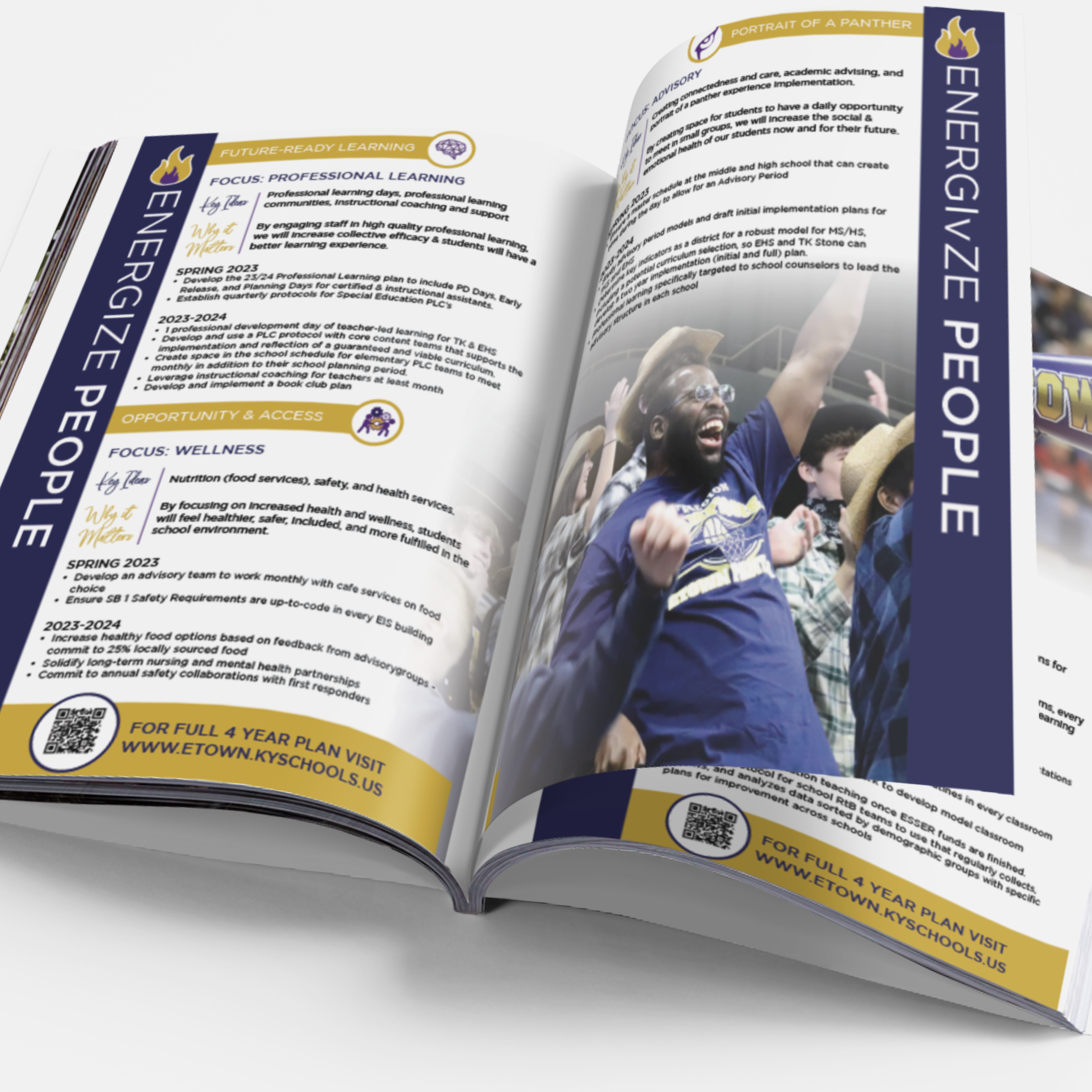
Another example of branding in action is Elizabethtown Independent Schools, where we helped transform their strategic plan into an engaging, community-focused initiative. Schools that proactively shape their brand and communication strategies can mobilize their communities to support important legislative efforts like House Bill 48. (Read about EIS’s branding journey here.)


amanda butler: a voice for kentucky’s schools


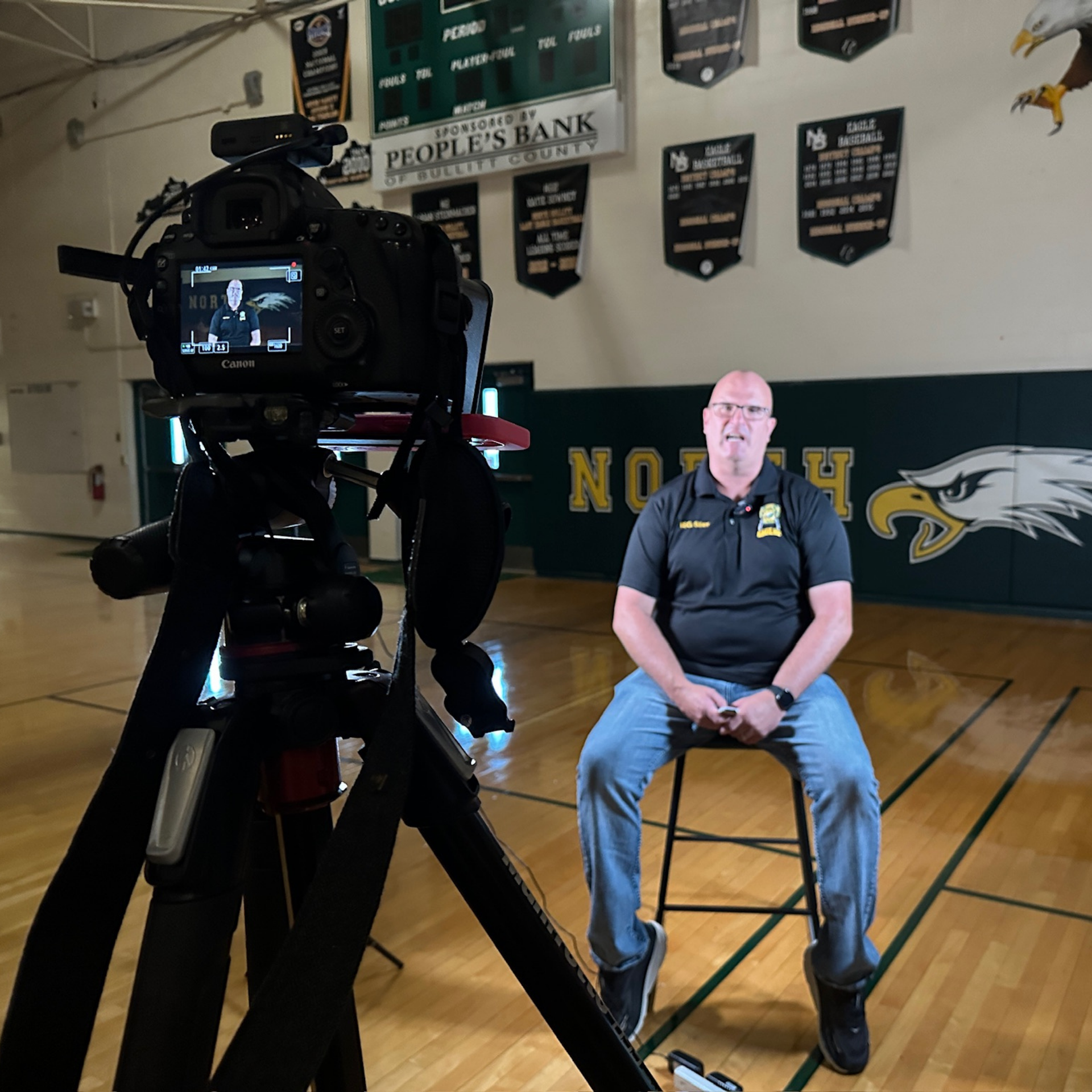
House Bill 48 wouldn’t be making headlines without the strong advocacy of leaders like Amanda Butler, who has been a key voice in pushing for changes that support educators and streamline administrative demands. Butler’s advocacy underscores an essential truth: when school leaders can clearly communicate their priorities, they are far more effective in influencing policy.


This is why branding and advocacy go hand in hand. When your district’s message is strong, consistent, and strategic, it commands attention. Schools that proactively build their brands are not just reacting to policy changes—they are shaping them.


kass: elevating district leaders’ voices


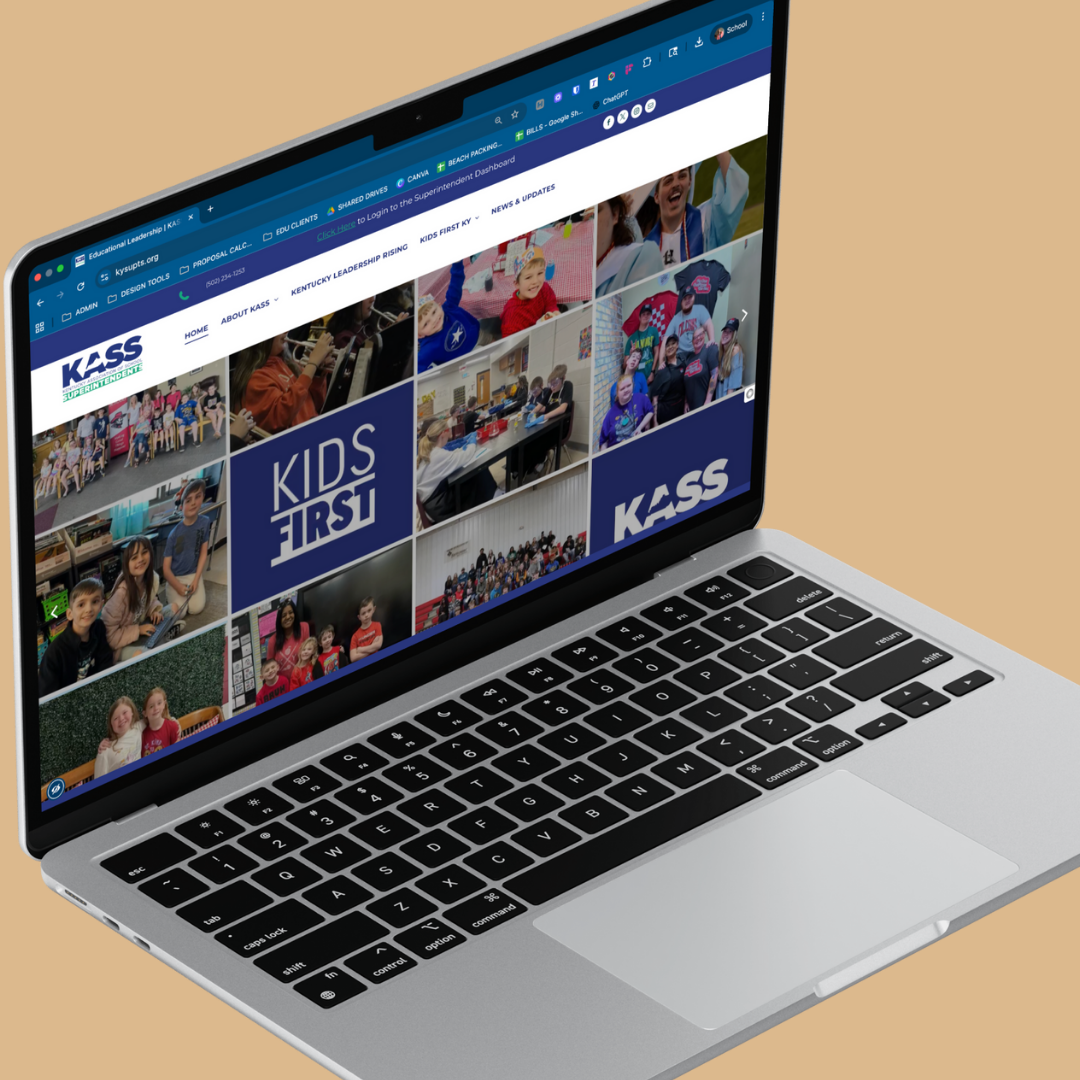
Another key player in Kentucky’s education landscape is KASS (Kentucky Association of School Superintendents). One of their core goals is to help district leaders advocate for education policy changes, just like House Bill 48.


Strong branding fuels this advocacy. When superintendents present a unified, professional message, they gain more credibility and influence in legislative discussions. Whether it’s shaping funding conversations or reducing administrative burdens, branding and advocacy go hand in hand. (Interested in how a logo can shape your district’s identity? Check out our insights on school logos here.)


what this means for your district


House Bill 48 is just one example of why school leaders must be proactive, not reactive when it comes to advocacy. Legislative changes will always be part of the education landscape, and the districts that communicate clearly and consistently will have the greatest influence.


A strong, recognizable brand fosters trust with stakeholders.
Clear, strategic messaging ensures your priorities are heard.
A proactive advocacy approach amplifies your district’s voice.


At Alchemy, we believe branding isn’t just about looking good—it’s about being heard. If your district is looking to elevate its voice, refine its messaging, or strengthen its brand, we’re here to help.


🔹 Let’s build your district’s influence together.


Schedule a consultation with us today!


read our most recent posts

By Brooke Goff July 21, 2026
Most principals are watching local accountability happen from the hallway. You don't have to wait for an invitation. There is a teacher in a school you probably know. Maybe you have someone like her on your team right now. She runs the PLCs. She sits in on planning sessions across grade levels. She knows which classrooms are doing cross-curricular vibrant learning work this quarter, and she knows which teachers need extra support to pull it off. When something remarkable happens in a student's learning, she finds out. She takes the photos. She writes the caption. She is the reason the school's story gets told at all. And she is one person. When local accountability arrives at your building (and it is arriving) it is going to ask for documented vibrant learning evidence, a Portrait of a Learner that lives somewhere public, data that shows your community what your school actually stands for. And if your answer to any of those requests runs through one person's head, one person's phone camera, one person's memory of what happened in third period on a random Tuesday in October, you have a fragility problem. Not a people problem. A systems problem. And it is fixable, but only if you start now, before the district finishes building the dashboard you will eventually be feeding. Here is what I want principals to know before anything else: you are not behind. You are not failing. The local accountability conversation in Kentucky has been happening almost entirely at the district level, and the assumption buried inside a lot of that work is that principals are naturally in the loop. That superintendents are passing information down. That buildings are ready. Most of them are not. And that is not the principal's fault.  What is within a principal's control right now is whether the work already happening in their building gets captured in a way that will matter later. Not a new initiative. Not a new platform. Not a new committee. Three practices, intentionally done, that most strong principals are already doing accidentally.

By Brooke Goff July 7, 2026
We didn't raise our rates. A client assumed we had. Four systems that explain what changed -- and what AI made possible that wasn't possible before.

By Brooke Goff June 22, 2026
What happens when your culture lives only in people's heads? The three school communications systems every organization needs but rarely builds.
the golden lens

sign up to our newsletter to stay updated!

Contact Us

SHARE THIS

learn how we can help