


how to introduce new school leaders in a way that builds trust before day one


By Brooke Goff August 11, 2025

For families, a new school year comes with plenty of unknowns and nothing feels more unknown than a new leader at the helm. Whether it’s a principal stepping into their first school or a seasoned administrator moving to a new building, the way you communicate their arrival sets the tone for the year ahead.


Here’s how to make sure that introduction builds trust, connection, and momentum before the first bell rings... plus how one Kentucky middle school principal used this approach to hit the ground running.


start before the start

Don’t wait until the first assembly or newsletter to introduce a new leader. Use the weeks before the school year to share a short, personable welcome video on your school’s social channels and website. Keep it simple: a quick introduction, a little personal background, and an invitation for families to connect.


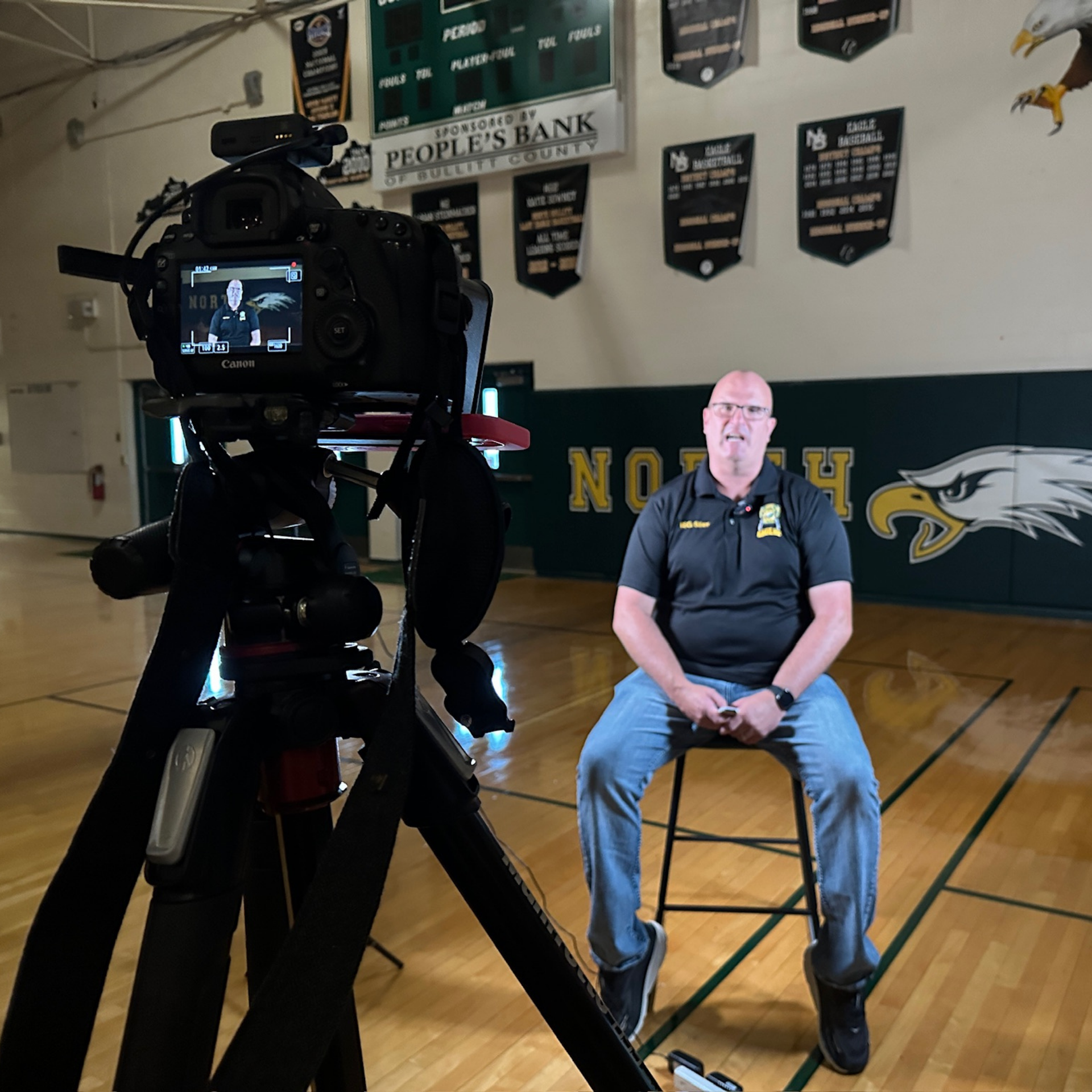
When Bernheim Middle School in Bullitt County welcomed new principal Chase Goff, they released a video before back-to-school night. Chase introduced himself, shared what he’d learned in his first weeks on campus, and spoke directly to students and families:

“I will listen — always. We will learn together. And everyone will lead. To be the school we aspire to takes all of us working together.”

That personal commitment helped families connect with him before they even shook his hand.


let their personality lead

Families want to know credentials, but they connect with personality. In his video, Chase mixed his professional observations with personal stories (like remembering his first Renaissance Conference as a student) and excitement for beloved school traditions like Bruin Bashes and Ren Rallies.


This blend of heart and history told the community, I’m here to honor what matters to you, and I’m excited to be part of it.


show them in action

Pair the introduction with candid media (event photos, walk-through clips, or a short “meet the team” video). Bernheim followed Chase’s intro with a leadership team welcome video, featuring assistant principals and staff speaking directly to students about culture, expectations, and excitement for the year ahead.


That second video showed Chase not just as a face on a flyer, but as an active part of a team that cares about students.


pay attention to the small details

Sometimes the most impactful gestures aren’t the flashiest. Before the year began, Chase made sure every staff member got an updated professional headshot, something they hadn’t had in several years. It was a small but meaningful move that showed he was listening to staff requests and wanted them represented well.


Those details build credibility faster than any speech can.


keep the conversation going

An introduction isn’t a one-and-done. Plan for follow-up touches in the first 90 days (quick video updates, social spotlights, or “day in the life” posts).


By starting strong with a warm, detailed introduction and following it up with consistent, approachable communication, new leaders can set a tone of trust, enthusiasm, and partnership that lasts all year long.


The takeaway: A well-crafted introduction isn’t just about making a leader known... it’s about making them felt. When your community sees and hears their leader before day one, they walk into that first day feeling like they already belong.


video link: https://youtu.be/tBy-5vSqHZs


read our most recent posts

By Brooke Goff July 21, 2026
Most principals are watching local accountability happen from the hallway. You don't have to wait for an invitation. There is a teacher in a school you probably know. Maybe you have someone like her on your team right now. She runs the PLCs. She sits in on planning sessions across grade levels. She knows which classrooms are doing cross-curricular vibrant learning work this quarter, and she knows which teachers need extra support to pull it off. When something remarkable happens in a student's learning, she finds out. She takes the photos. She writes the caption. She is the reason the school's story gets told at all. And she is one person. When local accountability arrives at your building (and it is arriving) it is going to ask for documented vibrant learning evidence, a Portrait of a Learner that lives somewhere public, data that shows your community what your school actually stands for. And if your answer to any of those requests runs through one person's head, one person's phone camera, one person's memory of what happened in third period on a random Tuesday in October, you have a fragility problem. Not a people problem. A systems problem. And it is fixable, but only if you start now, before the district finishes building the dashboard you will eventually be feeding. Here is what I want principals to know before anything else: you are not behind. You are not failing. The local accountability conversation in Kentucky has been happening almost entirely at the district level, and the assumption buried inside a lot of that work is that principals are naturally in the loop. That superintendents are passing information down. That buildings are ready. Most of them are not. And that is not the principal's fault.  What is within a principal's control right now is whether the work already happening in their building gets captured in a way that will matter later. Not a new initiative. Not a new platform. Not a new committee. Three practices, intentionally done, that most strong principals are already doing accidentally.

By Brooke Goff July 7, 2026
We didn't raise our rates. A client assumed we had. Four systems that explain what changed -- and what AI made possible that wasn't possible before.

By Brooke Goff June 22, 2026
What happens when your culture lives only in people's heads? The three school communications systems every organization needs but rarely builds.

the golden lens

sign up to our newsletter to stay updated!

Contact Us

SHARE THIS

learn how we can help