
the power of being seen: why advocacy starts with showing up
October 21, 2025

when presence becomes leadership

On a recent Friday in Harlan County, something powerful happened that had nothing to do with a policy vote or a press release.

It started with breakfast.


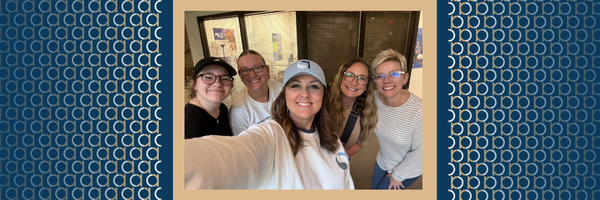
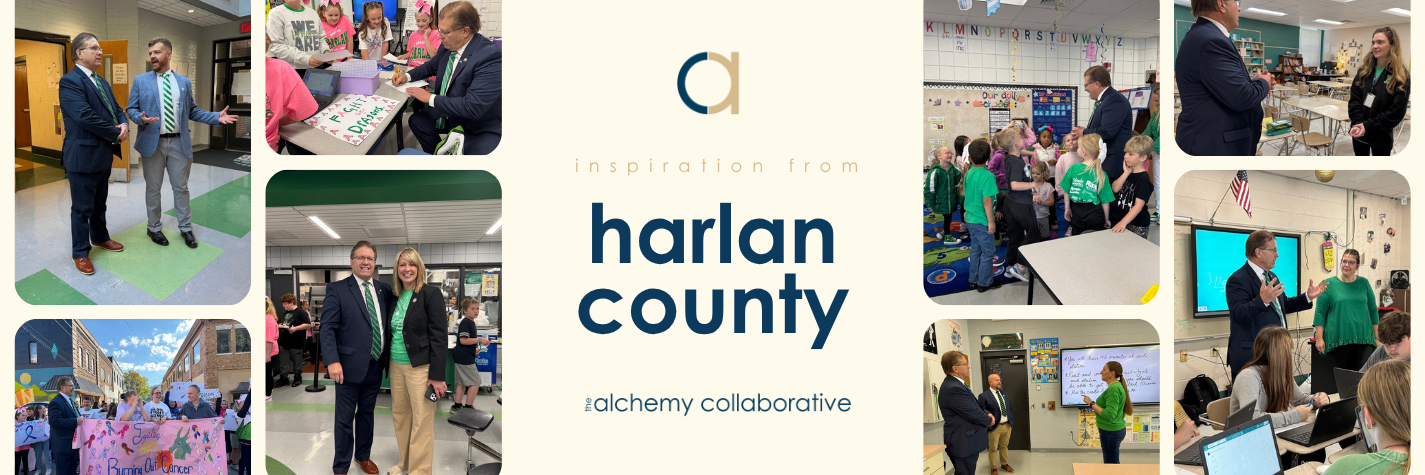
Senator Scott Madon joined students, staff, and families at Harlan Independent for the Grandparents Breakfast. He walked the halls, stopped to talk with teachers, joined the district’s Cancer Walk, and spoke to classes about civic engagement and leadership. He didn’t just visit; he participated.


From the outside, it might have looked like a routine school visit. But to the people there, it was something deeper: a reminder of what it means to be seen by your leaders. A reminder that advocacy begins long before a bill reaches the floor...it begins with presence.


advocacy begins with visibility

In education, we often think of advocacy as policy work: letters to legislators, testimony in Frankfort, or calls for funding. And while those actions are critical, advocacy also happens in quieter ways. It begins when leaders choose to show up, to listen, and to understand the daily realities of those they serve.

When a legislator spends a day walking school hallways, they see more than facilities or test scores. They see teachers balancing the art and heart of instruction. They see cafeteria workers greeting kids by name. They see students leading projects, laughing with friends, and learning through curiosity. That visibility builds empathy and empathy fuels advocacy.


As communicators and system partners, we’ve seen it again and again: when leaders make the effort to witness education up close, they lead differently. Policy becomes personal. Conversations gain context. Budgets turn into commitments that reflect real people.


why visibility matters in leadership


Visibility is an act of relationship. It’s how leaders build trust, connection, and shared understanding within their communities.When leaders are visible, trust grows. Students feel noticed. Teachers feel valued. Communities feel included in the shared story of progress. Visibility builds a bridge between decision-makers and the daily work of education.


In Alchemy’s work with districts across Kentucky, we often say that communication is culture in motion. The same could be said for visibility. It’s how values become visible.


Harlan’s story shows what that looks like: a leader taking time to celebrate, to listen, and to walk beside a community. Those small acts carry long echoes. They tell students, “You matter.” They tell educators, “Your work is seen.” And they tell the broader public, “This is what leadership looks like.”


connecting presence to policy


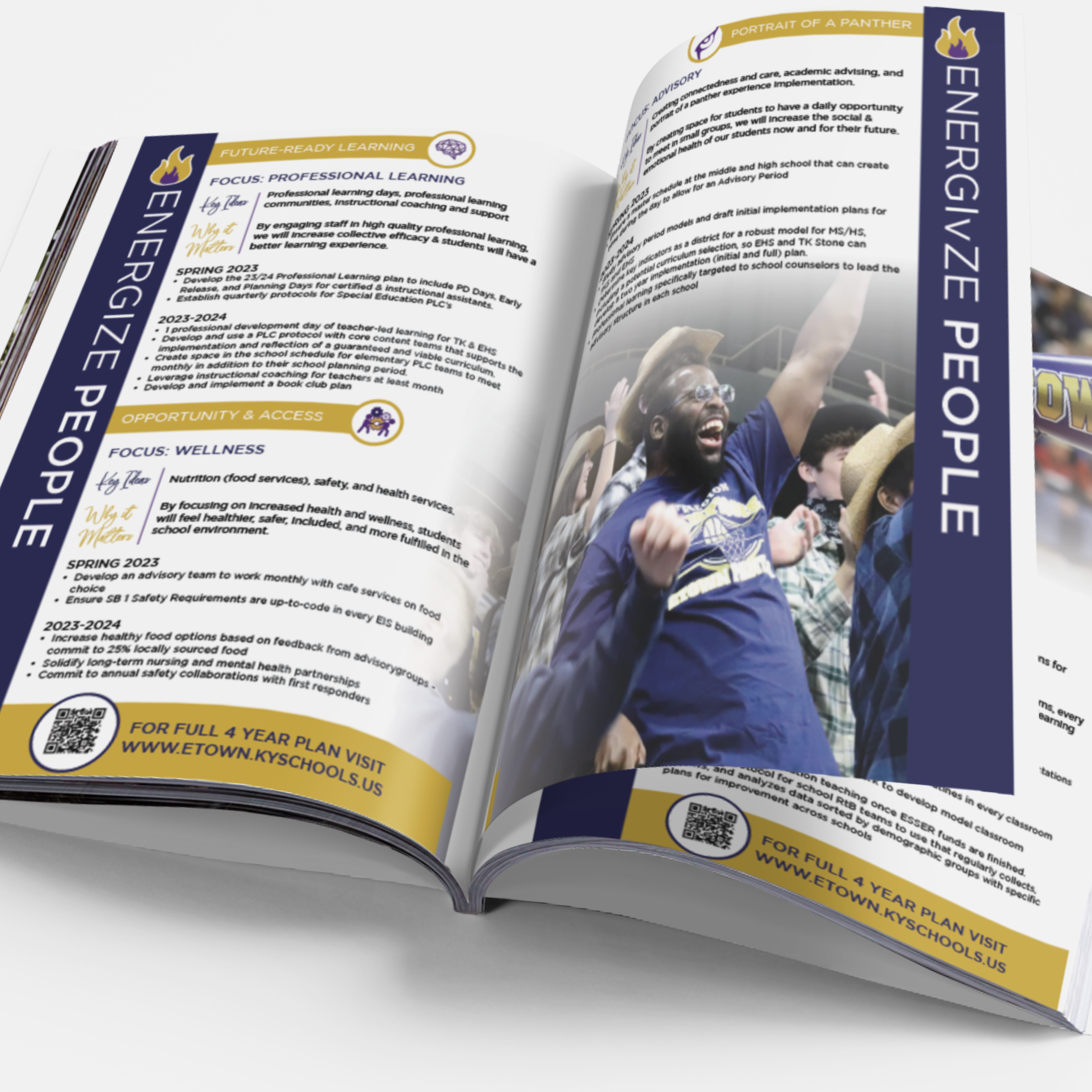
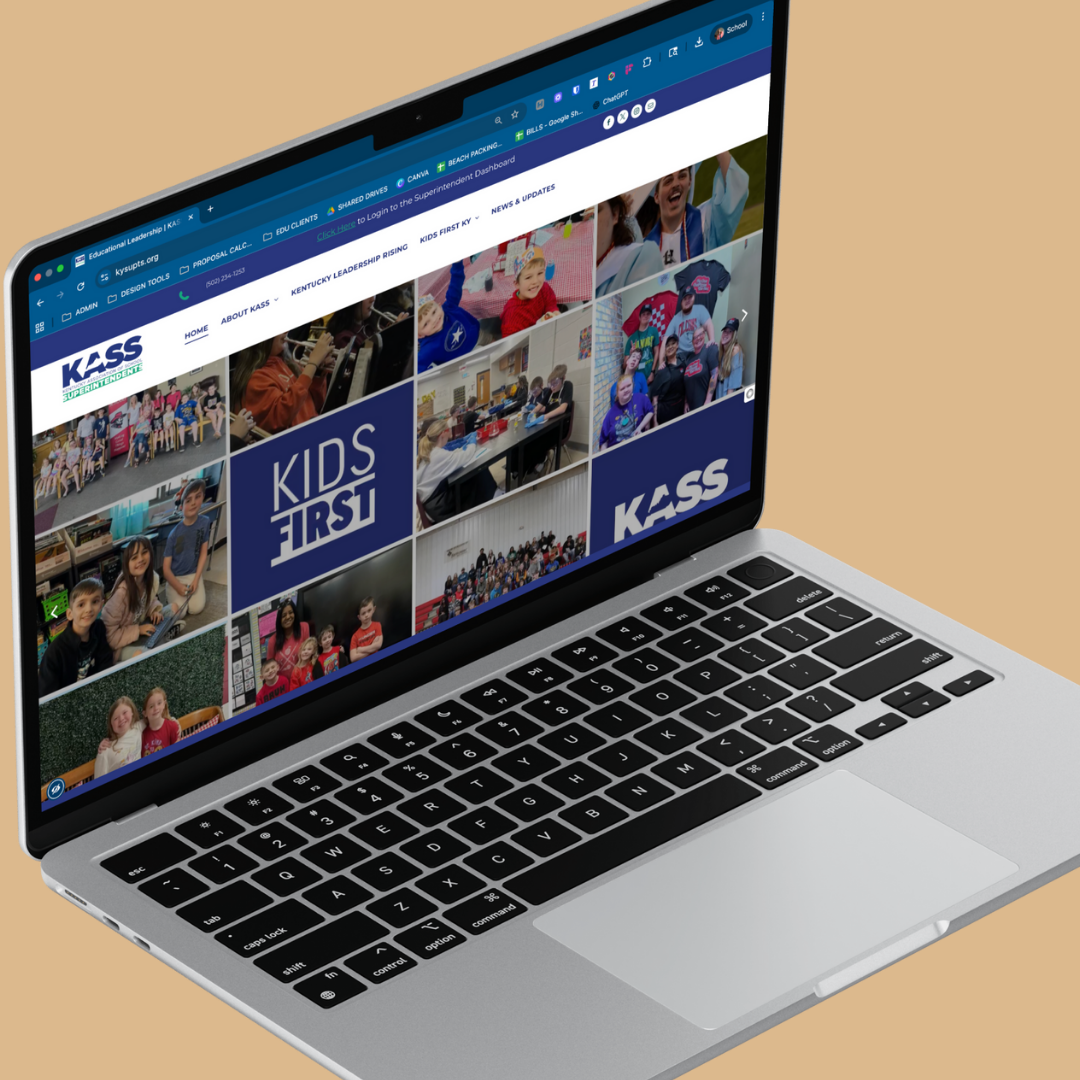
That same spirit is at the heart of the Kentucky Association of School Superintendents’ 2026 Legislative Priorities: a roadmap built on listening, not lobbying. The priorities call for sustained investment in student learning, safe and supportive school environments, competitive educator compensation, and resources for student readiness and innovation.


Each of these priorities depends on leaders who understand what’s really happening in classrooms. It’s one thing to read data about teacher shortages or facility needs. It’s another to sit with a teacher who’s juggling 30 students and still finding joy in her calling.


When state leaders visit schools, when superintendents invite legislators into classrooms, when boards host community learning walks...THAT is when advocacy becomes alive. That’s when legislative priorities start to reflect lived experience, not distant assumptions.


Visibility doesn’t replace advocacy; it ignites it. It’s the first step toward policies that are responsive, compassionate, and informed by the people they affect most.


advocacy is everyone’s work

It’s easy to assume advocacy belongs to a select few (we’ve been guilty of this for far too long!) to superintendents, legislators, or lobbyists. But advocacy is the work of everyone in education.

Teachers advocate when they share their students’ stories. Principals advocate when they open their doors to local leaders. Communications teams advocate every time they shine light on moments of learning, joy, and growth. Every story shared, every classroom visited, every hallway conversation builds a more connected system.


That’s the essence of transformational leadership in education: it doesn’t wait for an audience. It shows up where life is happening and lets visibility speak for itself.


our reflection

When we read Harlan Independent’s post, we felt deep gratitude for a district that values connection, for a senator who values presence, and for a state full of educators who show up every day to advocate through their actions.

We were reminded that advocacy doesn’t have to be loud to be powerful. Sometimes it looks like a legislator sitting beside a grandparent at breakfast. Sometimes it looks like a superintendent inviting a policymaker to see a robotics showcase or a school concert. Sometimes it looks like a teacher’s story shared at just the right time.


Because when leaders show up, visibility becomes the seed of advocacy and advocacy becomes the language of transformation.


“Advocacy starts with visibility: when leaders choose to listen before they legislate, and to see before they speak.”


an invitation forward

As the 2026 legislative session approaches, we encourage every Kentucky district to stay connected to the KASS Legislative Priorities and to consider:

  • Who could you invite into your schools this year?
  • What stories could help state leaders understand the impact of their decisions?
  • How might your visibility spark someone else’s advocacy?

Every voice matters. Every visit counts. The future of Kentucky’s schools will be shaped by those who are willing to show up ...and to see.


share:

we're just getting started. explore our other blogs.

By Brooke Goff July 7, 2026
We didn't raise our rates. A client assumed we had. Four systems that explain what changed -- and what AI made possible that wasn't possible before.
By Brooke Goff June 22, 2026
What happens when your culture lives only in people's heads? The three school communications systems every organization needs but rarely builds.
By Brooke Goff June 12, 2026
Most leadership programs produce certificates. Kentucky Leadership Rising is producing superintendents. Here's what genuine pipeline investment actually looks like.
By Brooke Goff May 26, 2026
Clark County built student voice infrastructure while most districts wait for buy-in. Here are the three moves that made it structural, not performative.
By Brooke Goff May 26, 2026
Districts are building accountability systems with fragmented teams. Here's what happens when communications directors aren't at the table from day one.
By Brooke Goff May 26, 2026
HB 257 gives districts funding for dashboards. Most are skipping six foundational questions that determine whether those dashboards will actually work.
By Brooke Goff May 26, 2026
Carroll County spent three years building identity, strategy, and story infrastructure before launching their dashboard. Here's why that order matters.
By Brooke Goff April 9, 2026
Two amendments were withdrawn because superintendents built community trust before the session. Here's what consistent communication infrastructure actually requires.
Show More