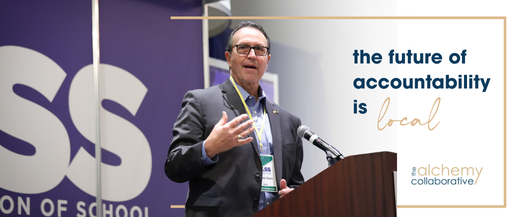
Superintendents are leading through a season of big shifts. Local accountability. New definitions of student success. Vibrant learning that stretches far beyond traditional classrooms.
These aren’t just program updates. They’re cultural shifts. And here’s the truth:
how you communicate them matters just as much as how you design them.
But too often, communication is treated like the final step: polish the plan, write the press release, send it out. By then, it’s too late.
The most effective leaders know that communication belongs at the table from the very beginning.
the power of messy ideas
Andrew Robertson, longtime CEO of
BBDO, once shared how his team created one of the most successful ad campaigns of all time. It wasn’t because they demanded brilliance from the start. It was because they encouraged an abundance of bad ideas
as he explains here.
Hidden in one of those “bad” drafts was the line that became “you’re not you when you’re hungry.”
That same truth applies in education.
The right words to explain accountability shifts or vibrant learning often don’t appear fully formed. They’re discovered in the messy brainstorming, where communication directors, staff, families, and students are free to throw out half-formed thoughts and clumsy drafts.
superintendents: bring your communicators in early
When communication directors are invited into strategy work (not just the final packaging) they do three powerful things:
- Spot the gold buried in messy ideas. A throwaway parent comment or rough staff note might reveal the clearest message.
- Build psychological safety. They know how to lower the pressure so people feel free to contribute honestly.
- Shape community trust. By being in the room, they help design not just what the work is, but how it will be felt by families and the community.
If they’re only brought in at the end, you lose all of that.
communication as leadership, not just delivery
Great communication isn’t about spinning the work. It’s about leading the work.
When superintendents empower communication directors to be co-strategists, districts build cultures where:
- Voices are welcomed early, not edited out late.
- Messy drafts are valued as part of the process.
- The final message carries community fingerprints, not just top-down approval.
That’s what trust looks like.
leading change with abundance
At alchemy, we believe empowered people build powerful systems. The same is true in communication.
Superintendents who empower their communicators aren’t just delegating tasks. They’re planting vision. They’re saying: This work is too important to keep in a silo. We need your gifts in the room, from the very beginning.
That’s how you move from simply announcing change to actually leading it.
what's next?
The next time you’re mapping out a new accountability system, or defining what vibrant learning looks like in your district, don’t wait until it’s “ready” to loop in your communications team.
Invite them into the messy space. Encourage the “bad” ideas. Reward the process, not just the product.
Because that’s where the real gold emerges and where your community begins to believe in the story you’re telling together.
Reach out; we'd love to help you get started.